cheesecake recipe
How to Make a Perfect Cheesecake: A Foolproof Recipe Guide
Cheesecake is one of the most loved desserts around the world. With its smooth and creamy texture and rich flavor, it’s no wonder it has become an iconic dessert. Cheesecake has a long history dating back to ancient Greece where it was served at weddings as a symbol of prosperity. Today, there are many variations of cheesecake available, including chocolate, fruity, or pumpkin-spice.
Making cheesecake from scratch can be intimidating for some people. However, with the right recipe and techniques, anyone can make a delicious and perfect cheesecake every time. In this article, we’ll guide you through the steps to make a perfect cheesecake that will impress your friends and family.
Ingredients and Tools
To make a perfect cheesecake, you’ll need several ingredients for the crust and filling. Here’s a list of ingredients you’ll need to make a 9-inch cheesecake:
For the Crust:
- 1 1/2 cups graham cracker crumbs
- 1/4 cup granulated sugar
- 6 tablespoons unsalted butter, melted
For the Filling:
- 32 ounces cream cheese (4 packages), room temperature
- 1 1/3 cups granulated sugar
- 2 tablespoons all-purpose flour
- 4 large eggs, room temperature
- 2 teaspoons pure vanilla extract
- 1/2 cup heavy cream, room temperature
To Make Cheesecake You’ll Need:
- A 9-inch springform pan
- Parchment paper or non-stick cooking spray
- A mixing bowl and a rubber spatula
- An electric mixer or stand mixer
- A large baking dish or roasting pan for a water bath
Making the Graham Cracker Crust
Graham cracker crust is a classic choice for cheesecakes, but you can use any other crust you prefer. Here’s how to make the perfect graham cracker crust:
- Preheat your oven to 325°F.
- Prepare your springform pan by lining the bottom with parchment paper or spraying it with non-stick cooking spray.
- In a mixing bowl, combine the graham cracker crumbs, sugar, and melted butter until well combined.
- Pour the mixture into the springform pan and press it down evenly into the bottom of the pan and up against the sides to create a crust with your fingers or a measuring cup.
- Bake the crust for 8-10 minutes until it turns golden brown.
- Remove from heat and let cool while preparing the filling.
Tips:
- Make sure to measure your ingredients accurately to get the right texture of the crust.
- Pack down your crust firmly to avoid it crumbling when serving.
Making the Cheesecake Filling
The secret to achieving smooth and creamy cheesecake is using room temperature ingredients. Here’s how you can make your decadent cheesecake filling.
- In a large mixing bowl, beat cream cheese until smooth and creamy, about 2-3 minutes on medium speed. Scrape down sides and bottom of bowl as needed.
- Add granulated sugar, flour, eggs one at time, mixing well after each addition.
- Pour in vanilla extract and heavy cream. Mix until well-combined and smooth, but don’t over mix to avoid incorporating excess air into the batter.
Tips:
- To get your cheesecake filling as smooth as it can be, make sure all ingredients are at room temperature.
- For a strawberry or raspberry-flavored cheesecake, you can add 1/2 cup of pure fruit puree to the mixture.
Preparing and Baking the Cheesecake
Now that you have your crust and filling ready, it’s time to bake your cheesecake. Here’s how to do it:
- Preheat your oven to 325°F.
- If using a water bath, wrap the bottom of the pan with aluminum foil and place the cake tin in a larger baking dish or roasting pan filled with hot water about halfway up the sides of the springform pan.
- Pour the filling mixture over the cooled crust and smooth it out with a rubber spatula.
- Bake for 50-60 minutes or until the edges of cheesecake are set, but the center is still slightly jiggly.
- Turn off the oven and leave your cheesecake in there for 30 minutes without opening the door.
- Remove from oven, loosen the edges with a knife if needed before chilling. Let cool in room temperature for at least an hour before transferring it to a refrigerator to chill for at least 4 hours or overnight.
Tips:
- Be careful not to overbake your cheesecake to avoid cracking. The center of your cheesecake will continue cooking while cooling down.
- Putting a water bath under your pan helps keep heat uniform during baking.
Testing for Doneness and Cooling the Cheesecake
Knowing when your cheesecake is done can be tricky, but there’s a simple trick to tell if it’s ready or not:
- Gently shake the pan. Cheesecake should be set around the edges, still jiggly at the center.
- If you’re unsure if your cheesecake is cooked, use a toothpick or a cake tester to check. Insert it in the middle of the cheesecake, and it’s done if it comes out clean.
- Let your cheesecake cool to room temperature before transferring it to a refrigerator to chill for 4 hours or overnight. This helps your cheesecake firm up and develop flavor.
Tips:
- Letting your cheesecake cool down slowly prevents cracking on the surface.
- Chill Cheesecake fully before putting any toppings on top.
Toppings and Serving Suggestions
Now that you have a perfect cheesecake, let’s talk about toppings, and serving suggestions. There are many ways to serve up your delicious creation:
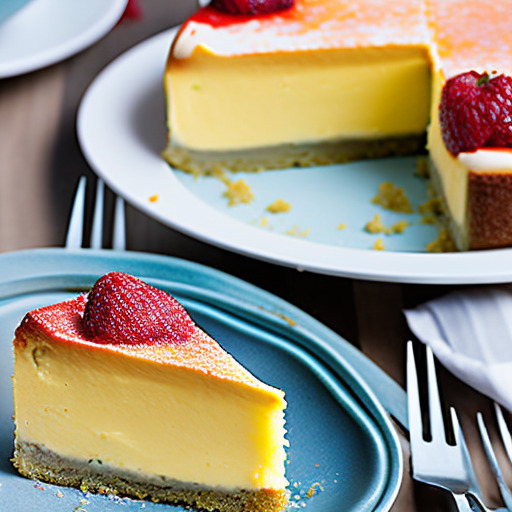
- Add fresh strawberries, raspberries, blueberries or other fruits on top of each piece before serving.
- Drizzle caramel sauce or chocolate on top of each slice.
- Put freshly whipped cream on top with a cherry and sprinkle chocolate shavings over it.
Tips:
- Play with different combinations of toppings until you find what works best for you.
- Make sure toppings are chilled before putting them on so as not to melt the cheesecake.
Storing Cheesecake Properly
If you have leftovers don’t worry; here’s how you can store your cheesecake for future indulgence.
- Cover the cheesecake with aluminum foil or plastic wrap in the refrigerator, and it can last up to 4-5 days.
- For long-term storage, freeze your cheesecake by wrapping it tightly in plastic wrap then aluminum foil. It should be good for a couple of months.
Tips:
- Avoid stacking other items or placing heavy objects on top of your cheesecake in the fridge or freezer.
- Let your cheesecake thaw at room temperature before serving if frozen.
Healthier Alternatives and Special Diets Considerations
If you’re health-conscious or have dietary restrictions here are some swaps that won’t sacrifice flavor:
Low-Fat Alternatives:
- Replace full-fat cream cheese with low-fat cream cheese.
- Swap heavy cream for greek yogurt.
- Use sugar substitutes like Stevia or Agave syrup instead of granulated sugar.
Gluten-Free:
- Use gluten-free Graham crackers in making your crust.
Vegan-friendly:
- Replace eggs with applesauce, coconut cream or silken tofu.
- Use nondairy alternatives for cream cheese such as tofu cream cheese.
Troubleshooting Common Issues
Of course, not everything goes as planned when making a cheesecake. Here are some common issues that come up, and how to fix them:
Cracks in the Cake After Baking:
If your cake develops cracks across the surface while baking, try any of these:
- Add sour cream topping to cover the cracks once serving
- Sour cream filling mix eaten with crispiness will cover the cracks well
- Bake your cheesecakes more gently at low temperatures.
- Make sure not to overmix/overbeat your mixture; this could introduce too much air, causing cracking.
Filling That Doesn’t Set Up Properly: You may end up with a cheesecake that doesn’t set up properly. To fix it:
- Place it back in the oven and bake for another 10-15 minutes until the center is firm.
- Chill your cheesecake, making sure it reaches room temperature first.
- Use cornstarch or gelatin in your filling to improve the consistency of the cake.
Over or Underbaked Cheesecakes:
If your cheesecake is over or under-baked, don’t throw it away. Just take note of these:
- If you overcook it, you may find that the texture is denser but still delicious especially if adding toppings like raspberry sauce or other sweet treats.
- If you undercooked it, place it back in the oven and bake for an additional 5-10 minutes until it’s appropriately cooked.
Variations of Classic Cheesecakes
Now that you’ve mastered this classic recipe, let’s try some new flavors. Here are some variations to help you experiment:
Chocolate:
- Add melted chocolate or cocoa powder to your filling mixture.
Fruity:
- Add puréed fruit such as strawberries, raspberries, pineapple in your filling.
Pumpkin-spice:
- Add pumpkin puree and spice (cinnamon, cloves, nutmeg) to your filling mixture.
Final Thoughts
Cheesecake-making can be daunting at first but with practice and great recipes, anyone can bake their perfect creation. Homemade cheesecake beats store-bought ones any day as it’s fresh, customizable, and can be tailored to dietary restrictions. Don’t forget to take notes of your preferred flavors and techniques to get better with time. Now, go ahead and make a cheesecake that will bring everyone to their knees.
Frequently Asked Questions About Cheesecake Recipes
1. What ingredients do I need to make a cheesecake?
To make a basic cheesecake, you’ll need cream cheese, sugar, eggs, vanilla extract, and graham cracker crumbs for the crust. Additional ingredients like sour cream, lemon juice, and various toppings can also be added according to your preference.
- Cream cheese
- Sugar
- Eggs
- Vanilla extract
- Graham cracker crumbs
2. Can I use low-fat cream cheese in my cheesecake recipe?
Yes, you can use low-fat cream cheese to make a healthier version of your cheesecake recipe. However, using low-fat cream cheese may affect the texture and richness of your cheesecake.
3. How do I prevent my cheesecake from cracking?
To prevent your cheesecake from cracking during baking, you can try the following tips:
- Add a water bath to your baking process by placing a pan of water on the lower rack of your oven.
- Avoid overmixing your batter since this can cause air bubbles that may create cracks.
- Cool your cheesecake slowly in the oven with the door slightly open before transferring it to the fridge.
4. Can I freeze my cheesecake?
Yes, you can freeze your cheesecake for up to two months by wrapping it well with plastic wrap and foil. When ready to eat, thaw it overnight in the refrigerator.
5. How do I make a gluten-free cheesecake crust?
You can make a gluten-free cheesecake crust by using almond flour, crushed gluten-free cookies, or ground nuts in place of graham cracker crumbs. Simply substitute the same amount of graham cracker crumbs with your desired alternative.
6. Can I make a no-bake cheesecake?
Yes, you can make a no-bake cheesecake by using whipped cream and gelatin to create a creamy and airy filling. You can also use ready-made pie crusts for convenience.
7. How long does it take to bake a cheesecake?
The baking time for a cheesecake may vary depending on the recipe and oven temperature. However, on average, it takes about 45-60 minutes to bake a cheesecake until it’s set but slightly jiggly in the center.