cinnamon roll recipe
The Ultimate Cinnamon Roll Recipe: Delicious and Fluffy Rolls You Can Bake at Home
Introduction
Cinnamon rolls are a timeless and beloved treat that have become a staple in bakeries and households across the world. With their warm, comforting cinnamon aroma and soft, fluffy texture, they are the ultimate indulgence. Cinnamon rolls have a rich history dating back to Swedish kitchens in the early 1900s, where they were traditionally served on special occasions like Christmas and holidays. Today, they are enjoyed year-round by people of all ages and backgrounds. Whether you’re a beginner or an experienced baker, this article will provide you with an easy-to-follow recipe for making delicious homemade cinnamon rolls that everyone will love.
Who this article is for
- Anyone who loves baking
- People who would like to try baking cinnamon rolls at home but have never attempted it before
- Experienced bakers who are looking for new recipes and variations
Important Ingredients
Making the perfect cinnamon roll starts with selecting the right ingredients. Here are the essential items required:
- Flour - 4 cups
- Sugar - 1/2 cup
- Butter - 1/4 cup (unsalted)
- Milk - 1 cup (room temperature)
- Yeast - 2 ¼ teaspoons (active dry yeast)
- Eggs - 2 (large-sized eggs)
- Vanilla extract - 1 teaspoon
- Cinnamon - 2 tablespoons
Preparing the Dough
The dough is the most crucial element in making cinnamon rolls. Getting the dough recipe right is essential for creating the perfect texture. Here are the key steps in making excellent dough:
1. Mixing the Ingredients
To get started, pour the dry sugar, flour, yeast, and salt into a mixing bowl, and then mix well. In a separate container, mix warm milk (not too hot or cold), melted butter, and eggs. Then add the wet ingredients to the dry ingredients.
2. Kneading the Dough
After mixing your dough ingredients, kneading is recommended to boost its gluten content and improve the final texture. Use your hands to knead the dough for at least 10 minutes until it becomes smooth and elastic. This process helps activate the yeast, which creates air bubbles that result in a light and fluffy texture for your rolls.
3. Rising the Dough
Once you’ve kneaded your dough, let it rise by placing it in a well-oiled bowl covered with plastic wrap or a clean cloth. Allow it to rise for about 60-90 minutes at room temperature until it has doubled in size.
Tips for Ideal Rising Environment
Creating an optimal environment for your cinnamon roll dough to rise is essential to achieving optimal results:
- Choose a warm location: A warm environment will make the yeast work faster.
- Keep it covered: Covering your dough with plastic wrap or a clean cloth prevents moisture loss and creates an ideal environment for rising dough.
- Be patient: Letting your dough rise too quickly may cause it to become tough while letting it rise slower than ideal will result in flat rolls).
Preparing the Filling
An excellent filling is what separates good from great cinnamon rolls. The filling comprises sugar, cinnamon, and butter. Here is how to prepare the filling:
1. Choosing Your Filling Ingredients
Start with melting your butter and mix it with cinnamon and sugar.
2. Spreading Your Filling onto Your Prepped Dough
Roll your prepared dough into a rectangle shape, brush it with melted butter, sprinkle your cinnamon sugar mixture uniformly on top of the rolled-out dough, making sure to cover the entire surface thoroughly.
3. Rolling Up Your Dough
Now, tightly roll up your cinnamon-roll-filled dough into a spiral log shape, using a sharp knife or kitchen scissors to cut into uniform-sized slices.
Baking Tips & Recipe Variations
Baking your cinnamon rolls is the final step in bringing your recipe to life. The oven temperature should be preheated to 375℉. Here are some baking tips and recipe variations:
1. Getting Your Oven Ready for Baking
Before baking, ensure that you preheat the oven according to the specifications shared in your recipe.
2. Indicators of a Perfectly Baked Cinnamon Roll:
When baking cinnamon rolls, look out for these indicators that signify perfectly baked treats:
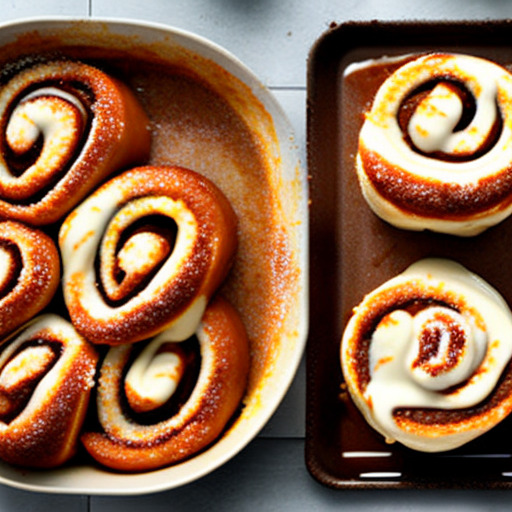
- The texture of your cinnamon rolls should be soft and fluffy when you gently press on them.
- The rolls’ color should be golden brown on their peaks or edges.
- The aroma of the freshly baked cinnamon rolls will fill up your home.
3. Ingredient Substitutes and Adding Extra Toppings
If you want to make your cinnamon rolls more creative or unique, try out different ingredients such as cream cheese or walnuts to create interesting flavors that are just as delicious.
Frosting Your Cinnamon Rolls
Without a doubt, the frosting is the proverbial cherry on top for your cinnamon rolls. Two classic and beloved frosting options are cream cheese or vanilla frosting. Here’s how to make frosting:
1. Choosing Between Cream Cheese or Vanilla Frosting
First, decide between cream cheese and vanilla frosting flavors.
2. Preparing and Applying Frosting
To prepare the frosting, mix powdered sugar, softened butter along with milk until it becomes creamy. Then, apply the desired amount of your preferred frosting to your fully cooked cinnamon rolls.
Storage and Serving Tips
Store your cinnamon rolls properly as it’s best if you can enjoy them later or for breakfast. Here are some tips for storing cinnamon rolls:
1. Storing Your Cinnamon Rolls Properly:
Store in an airtight container with lid tightly sealed and keep them in a cool, dry place.
2. Reheating Techniques:
If you want to heat them up again, microwave them briefly or use an oven preheated to 300℉ until they are warm.
3. Great Serving Ideas:
Serving ideas can include serving with coffee or tea, heated up in a toaster with warm butter, adding more toppings such as whipped cream, nuts, or chocolate syrup.
Troubleshooting Common Issues
Despite following all steps correctly, unexpected issues may occur when baking homemade cinnamon rolls. Luckily enough, some common issues have solutions:
1. Over-proofing or Underproofing Your Dough:
Over-proofed dough occurs when the dough is left out for too long beyond the required rising time. Underproofed dough is when it hasn’t been allowed sufficient time to rise.
2. Issues with Flat or Dense Rolls:
Flat or dense rolls may result from using expired yeast, too much flour, or not kneading your dough adequately.
Frequently Asked Questions
Here are some frequently asked questions when making homemade cinnamon rolls:
1. Can I Prep Cinnamon Rolls in Advance?
Yes, you can bake and prepare cinnamon rolls in advance and store them in the fridge or freezer either after baking or before preparing to cook.
2. What Kind of Flour Can I Use?
You can use any type of flour, depending on your preference. However, all-purpose flour is one of the popular choices for preparing cinnamon rolls.
3. Can I Freeze My Cinnamon Rolls?
Yes, the best way to freeze pre-made cinnamon rolls is to wrap them individually in plastic wrap and place them inside freezer bags. They can be stored up to three months if treated correctly.
Conclusion
Cinnamon rolls are a universally cherished treat adored by millions around the world. Making quality cinnamon rolls can be delightfully simple by following our ultimate guide on delicious, fluffy rolls you can bake at home - perfect for a cozy weekend breakfast or satisfying sweet cravings anytime! Regardless of your level of experience in the kitchen, these easy-to-follow steps will help you create mouth-watering cinnamon rolls that will have everyone asking for seconds. So don’t hesitate, break out that mixing bowl and bake up a batch today!
FAQs for Cinnamon Roll Recipe
Q: What are the ingredients in a cinnamon roll recipe?
A cinnamon roll recipe usually includes flour, sugar, salt, yeast, milk, eggs, butter and of course, cinnamon.
Q: Can I replace butter with margarine in my cinnamon roll recipe?
Yes, you can replace butter with margarine in your cinnamon roll recipe. However, the texture of the cinnamon rolls may be slightly different.
Q: Can I use all-purpose flour instead of bread flour in my cinnamon roll recipe?
Yes, you can use all-purpose flour instead of bread flour in your cinnamon roll recipe. However, bread flour will give your rolls a better texture and rise.
Q: How long should I let my dough rise for in a cinnamon roll recipe?
You should let your dough rise for about an hour in a warm area until it doubles in size.
Q: How do I make the perfect cream cheese frosting for my cinnamon rolls?
- Mix cream cheese and butter together until smooth.
- Add powdered sugar and vanilla extract.
- Mix until smooth and creamy.
Q: Should I refrigerate leftover cinnamon rolls?
Yes, you should refrigerate leftover cinnamon rolls to keep them fresh for longer. They can last up to 5 days in the fridge.
Q: Is it possible to freeze unbaked cinnamon rolls?
Yes, it is possible to freeze unbaked cinnamon rolls by wrapping them tightly in plastic wrap and foil before placing them in the freezer. When ready to bake, allow them to thaw and rise before baking as directed in the recipe.