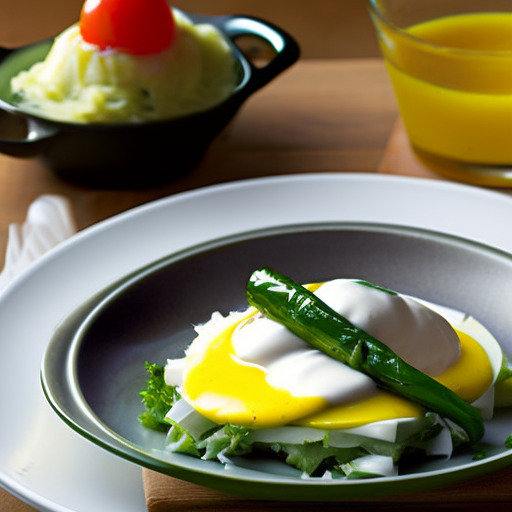
hollandaise sauce recipe
Hollandaise sauce is known as one of the five mother sauces of French cuisine. It is a smooth and creamy emulsion of egg yolk, butter, and lemon juice. This luxurious sauce can make any dish elegant and taste delightful.
In this comprehensive recipe guide, we will walk you through everything you need to know about mastering hollandaise sauce. From its history to essential tips and tricks for making it perfectly every single time, we will cover it all for you to become a pro in making this classic French sauce.
## History of Hollandaise Sauce
The history of Hollandaise Sauce traces back to 19th-century France. It originated from the mother sauce “sauce chaud-froid,” which translates to “hot-cold sauce.” The father of French cuisine, Auguste Escoffier, redefined and elevated it by adding egg yolks and lemon juice to create what we know today as Hollandaise sauce.
The name of the sauce has nothing to do with the country Holland; it is believed that it came from a French word ‘hollande’ meaning ‘Dutch.’ This can be attributed to the fact that Holland was famous for its dairy products like butter, which is one of the key ingredients in Hollandaise sauce.
The popularity of the sauce grew exponentially over time, and now, it is not just limited to French cuisine; it’s used in many dishes worldwide.
## Ingredients Required For Making Hollandaise Sauce
To perfect hollandaise sauce, you need a combination of high-quality ingredients. Here’s what you’ll need:
- 3 egg yolks
- 1 tablespoon freshly squeezed lemon juice
- 1/2 cup unsalted butter
- Salt & pepper
## Essential Tools Required
Before starting your recipe, there are some essential tools that you should have on hand for making this smooth emulsion:
- A double boiler or heatproof glass bowl
- A whisk
- A saucepan
- A rubber spatula
- Measuring spoons and cups
## Basic Recipe Of Hollandaise Sauce
Whether you’re a novice or an experienced cook, making hollandaise sauce from scratch can be a bit intimidating. Here’s an easy-to-follow recipe that will help you to make perfect hollandaise sauce every time:
### Step by Step Instructions for Making Hollandaise Sauce
1. Begin by melting unsalted butter in a saucepan over medium heat.
2. While the butter is melting, heat water in a double boiler or heatproof glass bowl over medium heat.
3. In a separate mixing bowl whisk together egg yolks and freshly squeezed lemon juice until well combined.
4. Once the butter has melted, remove it from the heat and slowly pour it into the egg yolk mixture while continuously whisking until all the butter is incorporated.
5. Place the mixing bowl with the egg yolk mixture on top of the double boiler, making sure that the bottom of the bowl does not touch the water.
6. Continue whisking vigorously until the mixture starts to thicken and form a ribbon-like texture; this should take around 2-3 minutes.
7. Remove from heat once the sauce reaches your desired thickness and add salt & pepper.
Congratulations! You have successfully made Hollandaise sauce. It’s as simple as that.
## Variations Of Hollandaise Sauce Recipe
Hollandaise sauce can be versatile; you can spice it up by adding different herbs or flavors to give it a unique twist. Here are three variations of Hollandaise sauce you can try:
### Bearnaise Sauce Variation
Béarnaise sauce is very similar to hollandaise sauce, but instead of lemon juice, it has white wine vinegar and shallots, which gives it a tangy flavor with a hint of sweetness.
#### Ingredients Required
- 1/2 cup unsalted butter
- 1 shallot, minced
- 1/4 cup white wine vinegar
- 2 egg yolks
- 1 tablespoon of water
- 1 tablespoon of freshly chopped tarragon leaves
- Salt & Pepper
#### Step by Step Instructions for Making Bearnaise Sauce
1. Begin by melting unsalted butter in a saucepan over medium heat.
2. While the butter is melting, heat water in a double boiler or heatproof glass bowl over medium heat.
3. In a separate mixing bowl add shallots, white wine vinegar, and egg yolks and mix well.
4. Place the mixing bowl with the egg yolk mixture on top of the double boiler, making sure that the bottom of the bowl does not touch the water.
5. Continue to whisk and drizzle in melted butter slowly until mixture thickens.
6. Add chopped tarragon leaves at the last minute.
7. Salt & pepper to taste.
### Dill Sauce Variation
Dill Sauce is another variation of Hollandaise sauce, where dill herb gives it a distinct flavor that goes perfectly with fish dishes.
#### Ingredients Required
- 1/2 cup unsalted butter
- 1 tablespoon freshly squeezed lemon juice
- 2 teaspoons fresh dill, finely chopped
- Salt & Pepper
#### Step by Step Instructions for Making Dill Sauce
1. Begin by melting unsalted butter in a saucepan over medium heat.
2. While the butter is melting, heat water in a double boiler or heatproof glass bowl over medium heat.
3. In a separate mixing bowl whisk together egg yolks and freshly squeezed lemon juice until well combined.
4. Once the butter has melted, remove it from the heat and slowly pour it into the egg yolk mixture while continuously whisking until all the butter is incorporated.
5. Place the mixing bowl with the egg yolk mixture on top of the double boiler, making sure that the bottom of the bowl does not touch the water.
6. Continue whisking vigorously until the sauce begins to thicken and form a ribbon-like texture; this should take around 2-3 minutes.
7. Remove from heat once the sauce reaches your desired thickness and add chopped dill.
8. Salt & pepper to taste.
### Spicy Hollandaise Variation
If you like it spicy, then this variation is just perfect for you.
#### Ingredients Required
- 1/2 cup unsalted butter
- 1 tablespoon freshly squeezed lemon juice
- 1 teaspoon hot sauce
- A pinch of cayenne pepper
- Salt & Pepper
#### Step by Step Instructions for Making Spicy Hollandaise Sauce
1. Begin by melting unsalted butter in a saucepan over medium heat.
2. While the butter is melting, heat water in a double boiler or heatproof glass bowl over medium heat.
3. In a separate mixing bowl whisk together egg yolks and freshly squeezed lemon juice until well combined.
4. Once the butter has melted, remove it from the heat and slowly pour it into the egg yolk mixture while continuously whisking until all the butter is incorporated.
5. Place the mixing bowl with the egg yolk mixture on top of the double boiler, making sure that the bottom of the bowl does not touch the water.
6. Continue whisking vigorously until the sauce thickens and forms a ribbon-like texture; this should take around 2-3 minutes.
7. Remove from heat once the sauce reaches your desired thickness and add hot sauce and cayenne pepper to taste.
8. Salt & pepper to taste.
## Tips & Tricks for Making Perfect Hollandaise Sauce Every Time
Here are some essential tips and tricks that will help you master hollandaise sauce perfectly every time:
### Choosing The Right Eggs
Choosing fresh eggs with tightly adhering whites is very important in making hollandaise sauce. Old eggs have an unpleasant smell and will not whip to the desired thick consistency.
### Choosing The Right Butter
It’s recommended to use unsalted butter because salted butter’s salt content can vary, which may impact the final result of the dish. Quality unsalted butter is key to a smooth, silky Hollandaise sauce.
### Getting Your Emulsion Just Right
Hollandaise sauce has an emulsion of egg yolks and melted butter. Achieving the perfect emulsion means whisking them together on the right heat level (very low) without scrambling the yolks.
### Preparing Ingredients Beforehand
Ensure that all ingredients are at room temperature so that they combine smoothly without being too cold or too hot.
### Proper Storage Methods
Hollandaise Sauce should be stored in airtight containers and refrigerated no longer than 24 hours. Reheat it slowly over a double boiler while whisking gently.
## Common Problems While Making Hollandaise Sauce And Solutions To Them
Sometimes things don’t go as planned; here are some common problems you could encounter while making hollandaise sauce and how to rectify them:
- If your egg yolks curdle during cooking due to high heat, salvage it by transferring it to another bowl with fresh egg yolks and whisk while pouring in the curdled mixture until fully combined.
- If you see clumps forming in your hollandaise, use a fine mesh strainer and strain it through to make it smooth.
## Using Hollandaise Sauce In Your Dishes
Hollandaise sauce has a bold flavor that can enhance many dishes. Its common uses include being poured over steamed vegetables like asparagus, spread over poached eggs served on an English muffin, or even spooned over grilled seafood. It is also perfect alongside chicken and steak dishes.
## Frequently Asked Questions About Hollandaise Sauce
1. Can I substitute butter with margarine in the hollandaise sauce recipe?
Ans: No, margarine contains additives that result in a different texture and flavor.
2. Can I use regular lemons instead of Meyer lemons in the sauce?
Ans: Yes, you can use regular lemons, but make sure to add less juice as they are more acidic than Meyer lemons.
3. How long can hollandaise sauce be refrigerated?
Ans: Hollandaise Sauce should not be refrigerated for more than 24 hours.
## Conclusion
In conclusion, mastering Hollandaise sauce can elevate your dishes to new heights. It’s easier than you might think, and with just a little practice, you’ll soon have it down pat. We hope our comprehensive recipe guide will help you make perfect hollandaise sauce every time. With essential tips, tricks, variations, and common problems explained, we are confident that you will enjoy making this classic French sauce. So next time you’re cooking a special meal for a loved one or just want to add some elegance to your dinner plate, remember that hollandaise sauce is the way to go!
Frequently Asked Questions for Hollandaise Sauce Recipe
What is Hollandaise Sauce?
Hollandaise sauce is a classic French sauce made from butter, egg yolks, and lemon juice. It’s smooth, creamy, and has a tangy flavor that complements many dishes.
What dishes can I use Hollandaise Sauce with?
Hollandaise sauce goes well with many dishes, including eggs benedict, poached salmon, asparagus, and grilled chicken. It’s versatile enough to use on almost any dish that needs a rich, creamy sauce.
Can I make Hollandaise Sauce ahead of time?
While it’s best to make Hollandaise sauce fresh and serve immediately, you can make it ahead of time if needed. Store the sauce in an airtight container and place it in the refrigerator until ready to use. When ready to serve, gently reheat the sauce in a double boiler or microwave.
What kind of butter should I use for Hollandaise Sauce?
For the best results, use unsalted butter when making Hollandaise sauce. This allows you to control the saltiness of the final product. Also, be sure to use high-quality butter for the best taste and consistency.
What if my Hollandaise Sauce breaks or curdles?
If your Hollandaise sauce breaks or curdles, don’t panic! Usually, this happens when the egg yolks are cooked too quickly or overcooked. To fix it, simply whisk in a tablespoon of hot water or lemon juice until it emulsifies again. If all else fails, start over with a new batch.
Can I make Hollandaise Sauce without a double boiler?
Yes, you can make Hollandaise sauce without a double boiler by using a heatproof bowl set over a pot of simmering water. Simply make sure the bottom of the bowl does not touch the water and whisk continuously to prevent curdling.
How long can I store leftover Hollandaise Sauce?
If stored properly in an airtight container in the refrigerator, leftover Hollandaise sauce can last up to three days. When reheating, be sure to gently warm it up and avoid overheating as it can cause the sauce to break and curdle.
- In summary,
- Hollandaise sauce is a classic french sauce made from butter, egg yolks, and lemon juice
- It’s versatile and goes well with eggs benedict, poached salmon, asparagus, and grilled chicken
- Making fresh is best but it can be stored for up to 3 days if needed
- The egg yolk should be cooked slowly
- It’s best to use unsalted high-quality butter
- If it breaks or curdles, whisk in hot water or lemon juice until emulsified again
- You can cook it on a heatproof bowl over simmering water instead of a double boiler if needed.