japanese curry recipe
Japanese Curry Recipe: A Step-by-Step Guide to Making Authentic Japanese Curry
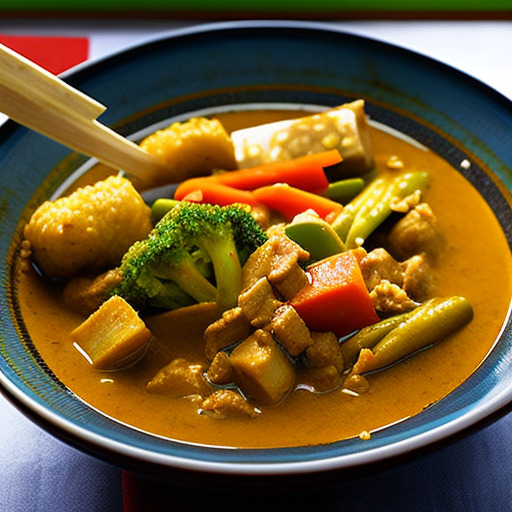
Japanese curry is a popular dish in Japan, and it has gained popularity around the world due to its rich flavor, spiciness, and versatility. The dish’s origins are rooted in the Meiji Period (1868-1912), when curry was introduced to Japan by the British navy. Over time, the recipe changed to suit Japanese tastes, and now, it’s a staple of Japanese cuisine. Here’s a step-by-step guide to making authentic Japanese curry at home.
Ingredients
Making Japanese curry requires the following main ingredients:
- Vegetables: onion, carrot, potato
- Meat: chicken, beef, pork
- Curry Roux
- Spices: ginger, garlic, garam masala
Equipment
In addition to the ingredients, there are some kitchen gadgets and utensils required for making Japanese curry:
- Dutch oven or large pot
- Wooden spoon or spatula
- Cutting board and sharp knife
Preparation
Before getting started on cooking the curry, it’s important to prepare the vegetables and meat.
Preparing the vegetables
Start by peeling and dicing potatoes and carrots into bite-size pieces. Cut onions into small cubes.
Preparing the meat
Trimming and cutting chicken, beef or pork into small cubes.
Sauteing Vegetables and Meat
Heat oil in a large pot over medium-high heat. Add the onions, carrots, and potatoes and cook for 3-4 minutes until the onions are translucent. Add the meat and sauté until browned all over.
Making Curry Roux from scratch
Curry roux is the essential component of Japanese curry that gives it its characteristic flavor and creamy texture. It’s a mixture of butter, flour, and spices that is cooked and then added to the curry.
What is curry roux?
Curry roux is a blend of flour, oil or butter, and spices like cumin, turmeric, coriander, fenugreek seeds, cinnamon sticks, or black pepper.
Steps to make curry roux from scratch
- Melt 4 tablespoons of butter in a pan over low heat.
- Add 6 tablespoons of flour to the melted butter.
- Cook the mixture, stirring constantly until it becomes fragrant and turns light brown (about 15 -20 mins).
- Add spices like garam masala and cook for another minute.
- Set aside to cool.
Using store-bought curry roux
Although making curry roux from scratch adds an extra homemade feel to dishes, using store-bought curry roux is more convenient as it saves you time.
Advantages and disadvantages of pre-made roux
The advantages of using store-bought curry roux include convenience, consistency in flavor and taste. The only disadvantage is that most brands use preservatives like MSG.
Cooking the curry
Now it’s time to cook the Japanese curry using the ingredients we prepared earlier.
The step-by-step process of cooking Japanese curry:
- Add water to the pot (the ratio should be two cups of water per one cup of mixed vegetables).
- Stir in the roux mixture until it’s dissolved.
- Add spiced ingredients (ginger, garlic, garam masala)
- Bring everything to a boil and then lower the heat
- Simmer for about 30 minutes or until the vegetables are soft and tender.
- Serve warm with rice or udon noodles.
Serving Suggestions
There are different ways to serve Japanese curry; here are some options:
- As a main dish with steamed rice.
- With udon noodles.
Side dish suggestions:
- Miso Soup
- Gyoza (Japanese Dumplings)
- Agedashi Tofu (Fried Tofu in Dashi Broth)
Variations of Japanese Curry
Japanese curry has various adaptations, including the following:
Katsu-curry:
Katsu curry consists of breaded and deep-fried chicken, pork or beef, served over a bed of rice, and topped with thick curry sauce.
Dry Curry:
Unlike traditional curry, dry curry does not use liquid broth. Instead, it uses tomato sauce, ketchup, or Worcestershire sauce as a base. It’s referred to as dry because chefs don’t add water to the sauce.
Tips and Tricks
Some useful tips for preparing the perfect Japanese curry include:
- Choosing the freshest vegetables for the best taste.
- Choose fresh meat.
Where to buy spices and roux
Spices like garam masala can be sourced from online marketplaces or your local supermarket. For curry roux, it’s available in most Asian stores.
How to store leftovers
After cooking the curry dish, let it cool, then refrigerate or freeze it in portion-sized containers.
Frequently Asked Questions (FAQs)
Can I make Japanese Curry without curry roux?
While most Japanese curry recipes call for curry roux, you could make a thinner base using cornstarch or flour.
What makes Japanese Curry unique?
Japanese curry has a distinct taste that is sweeter and less spicy than other curries. This unique flavor comes from the many ingredients used in the curry roux, such as garam masala that gives it a warm, aromatic flavor.
Conclusion
Japanese curry is a delicious and popular dish that has won the hearts of many worldwide. Making Japanese curry at home is easy if you follow these simple steps and use high-quality ingredients. The richness of flavor and history behind this dish make it a must-try experience.
7 FAQs About Japanese Curry Recipe
What makes Japanese curry different from other types of curry?
Japanese curry has a sweeter and less spicy taste compared to other types of curry. It also has a thicker consistency and is often served with rice and pickled vegetables.
What are the main ingredients for Japanese curry?
- Potatoes
- Carrots
- Onions
- Beef or chicken
- Curry roux (a combination of spices and flour)
Note: Some variations may include apples, honey, or even chocolate as ingredients.
How do you make Japanese curry from scratch?
To make Japanese curry from scratch, you’ll need to chop and cook your vegetables and meat, then mix in the curry roux until it’s fully dissolved. Let the mixture simmer until it thickens to your desired consistency, then serve it with rice. You can find more detailed instructions online or in cookbooks.
Can you use curry powder instead of curry roux?
You can use curry powder as a substitute for curry roux, but the flavor will be different since it’s not specifically tailored for Japanese-style curry. If you’re unable to find curry roux or want to experiment with the flavor profile, feel free to try using curry powder instead.
Can you make vegetarian or vegan Japanese curry?
Yes! You can swap out the meat for soy-based protein products like tofu or tempeh, or omit it altogether if you prefer. There are also vegan-friendly versions of pre-packaged curry roux available.
Can you freeze Japanese curry?
Yes, you can freeze Japanese curry for future meals. Let it cool to room temperature before placing it in an airtight container and storing it in the freezer. It should keep well for up to a few months.
What are some popular toppings for Japanese curry?
- Pickled vegetables (e.g. daikon, ginger, cucumber)
- Fried or boiled eggs
- Tonkatsu (breaded pork cutlet)
- Cheese
- Fried onions
Feel free to experiment with different toppings to find your favorites!