mac & cheese recipe
The Ultimate Guide to Making the Perfect Mac & Cheese
Mac & cheese is the quintessential comfort food that many of us crave after a long day. It’s simple, delicious, and versatile enough to suit everyone’s taste buds. However, making the perfect mac & cheese can be a bit tricky. With so many variations and options, it’s hard to know where to start.
In this comprehensive guide, we’ll take you through every step of making the perfect mac & cheese. From understanding the basics to troubleshooting common mistakes - we’ve got you covered.
I. Understanding the Basics of Mac & Cheese
Before we dive into the intricacies of making mac & cheese, let’s first take a look at what this dish is all about.
Definition of Mac & Cheese
Mac & cheese is a simple yet delicious dish that consists of pasta mixed with a cheese sauce. It’s often served as a main course but also works great as a side dish.
History and Origin of Mac & Cheese
The origins of mac & cheese can be traced back to Italy and its traditional dish, pasta al forno con formaggio. The recipe was popularized in America during the 1930s by companies like Kraft, who first introduced pre-packaged macaroni and cheese dinners.
II. Choosing the Right Ingredients
The key to making delicious mac & cheese is choosing the right ingredients. Here are some tips on selecting high-quality components for your perfect meal:
Types of Pasta for Mac & Cheese
Different types of pasta vary in their shape, size, and texture, which can ultimately affect how they hold up when mixed with various cheeses and sauces. Some popular types of pasta for mac & cheese include elbow macaroni, penne, and shells due to their short cooking time and ability to hold onto the cheese sauce.
Types of Cheese for Mac & Cheese
The most popular cheeses for mac & cheese are cheddar, Gruyere, and Parmesan because they melt well and have a sharp flavor. However, you can experiment with different types of cheese to create unique variations of mac & cheese. For example, adding goat cheese can add a tangy flavor to the dish.
Other Ingredients and Toppings to Enhance the Flavor of Your Mac & Cheese
While mac & cheese is delicious on its own, adding various ingredients can ramp up the flavor profile. Some popular toppings include bacon bits, breadcrumbs, or even jalapenos if you like it spicy.
III. Preparation and Cooking Techniques
Now that you’ve selected your ingredients, let’s get into the nitty-gritty of preparing and cooking them.
Preparing the Pasta
Start by boiling a large pot of salted water. Once the water is boiling, add your pasta and cook until it’s al dente (usually around 8-10 minutes). Then, drain off the pasta in a colander and run cold water over it to prevent it from cooking further.
Making the Cheese Sauce
In a separate saucepan, melt butter and whisk in flour. Cook about 2-3 minutes or until golden brown. Pour in milk gradually while whisking constantly. Continue whisking until it thickens then add the shredded cheese little by little. Mix well until all the cheese has melted smoothly into a sauce.
Combining the Pasta and Cheese Sauce
Once both elements are prepared, mix them together in one large pot or baking dish. Stir until every noodle is coated with the cheesy sauce. You can also add additional toppings before baking or serving your mac & cheese platter.
Baking or Broiling Options
Baking your mac & cheese can lend a crispy and crunchy flavor to the dish. Simply transfer it into a casserole dish, sprinkle some breadcrumbs or more cheese on top, then bake for up to 30 minutes in a preheated oven (at 350F). If you prefer a crispy golden crust on top instead, switch to broil in the last 3-5 minutes of baking.
IV. Variations on Traditional Mac & Cheese
While traditional mac & cheese is delicious, there are many ways to switch up this classic recipe. Here are some ideas:
Adding Meat to Mac & Cheese
Bacon, chicken, ground beef You can incorporate chunks of meat into your mac & cheese recipe to create a heartier meal. Simply cook up your protein of choice and add it to your prepared dish before baking.
Using Different Types of Pasta
Experimenting with different types of pasta can lend different textures and flavors to your mac & cheese. For example, swapping out elbow noodles with penne pasta can make the dish taste more elegant and mature.
Adding Vegetables To Mac & Cheese
If you want an element of healthy nutrition to your meal try adding vegetables like broccoli florets, chopped spinach, or roasted squash that would keep its goodness-in-microwave reheating later too.
V. Tips for Enhancing Flavor and Texture
Now that you’ve got the basics down let’s move onto some recommended tips to enhance the taste and texture of your mac & cheese
Experimenting with Herbs and Spices
Sprinkling in herbs and spices such as thyme, paprika or cayenne lets you bring new dimensions of flavor that complement the flavors of the melted cheese. If you enjoy an extra tangy twist in your mac & cheese, try adding mustard or salsa to your cheese sauce.
Choosing Different Cheeses or Combining Multiple Cheeses
Using multiple types of cheese can elevate the flavor profile and add more depth to the dish. Alternatively, using less well-known cheeses like Gouda, Swiss, or blue cheese can result in a mac & cheese with an exciting new twist.
Using Different Types of Milk or Cream
Try swapping out traditional milk for almond milk, coconut milk, or heavy cream to create unique flavors of your dish. It offers a slightly different take on traditional recipes and may help those who are lactose intolerant enjoy mac & cheese without any adverse effects.
VI. Storage and Reheating
If you’ve got leftover mac & cheese, you can easily store them in the fridge for several days and reheat them later for a quick meal or snack.
Proper Storage Techniques
It’s essential to let the mac & cheese cool down to room temperature before transferring it to an airtight container. This prevents condensation from accumulating and keeps it fresh longer in the fridge.
Best Ways to Reheat Leftover Mac & Cheese
You can use a microwave if you’re short on time, but it tends to result in soggy noodles. Try reheating the mac & cheese in the oven or on the stovetop instead. For example, put the leftover portions into a baking dish, cover with foil and bake at 375F until heated through (about 20 minutes).
VII. Troubleshooting Common Mistakes
Making mistakes is common while preparing dishes. Here’s how you can solve some of them when it comes to cooking your mac & cheese:
Cheese Sauce is too Thick or Thin
To thin out thick sauce simmer it over medium heat and whisk in either milk or chicken broth until the cheese sauce reaches its desired thickness. To thicken thin cheese sauce, you can add a bit of cornstarch and continue cooking over low heat while stirring consistently.
Pasta is Overcooked or Undercooked
If it’s undercooked put it back on heat for 2-3 minutes, if it’s overcooked then rinse through cold water to revive it and drain before continuing to cook.
Dish is too Dry or Soupy
If your dish turned out too dry, whisk in extra milk or cream to bring back moisture - one teaspoon at a time. Conversely, if it’s soupy, return the dish to the stove and simmer for additional 5-7 minutes to reduce the excess liquid and let it thicken.
VIII. Serving Suggestions
Now that you have your perfect bowl of mac & cheese, it’s time to think about serving options:
Creative Ways to Serve Mac & Cheese
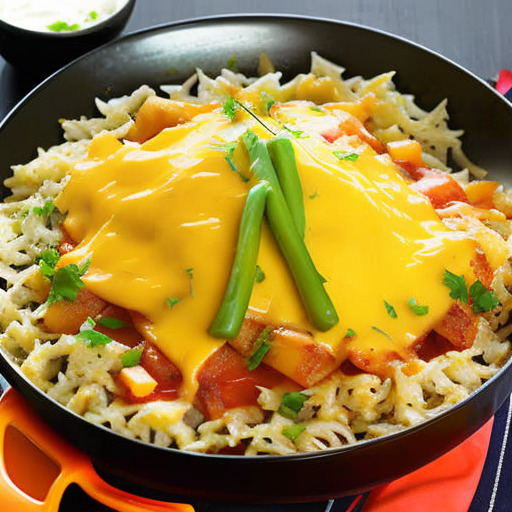
You can add a personal touch to your serving by using ramekins, cast iron skillets, or mini ceramic bowls. This way you offer individual portions with a touch of rustic warmth.
Ideal Side Dishes for a Complete Meal
For those looking for complementary side dishes, roasted vegetables like broccoli or asparagus pair well with mac & cheese. If you want something heartier, serve with meat entrees like grilled chicken breasts or crispy bacon drizzled atop.
IX. Mac & Cheese Around the World
While mac & cheese is considered largely as an American classic dish there are variations around the world that go well beyond our traditional version of mac & cheese. If you’re feeling adventurous try:
Kabeli Pasta in Albania (includes cottage cheese and paprika)
Hochkäseknöpfle in Germany (lightly spiced with nutmeg)
Poutine in Canada (smothered with melted cheese curds and brown gravy)
X. Fun Facts About Mac & Cheese
Here are some fun facts to share about mac & cheese:
It’s the most ordered item on Uber Eats.
The largest serving of mac & cheese weighed 2,469 pounds
Thomas Jefferson is credited with importing macaroni to America after trying it in Europe
XI. Frequently Asked Questions
Here are some additional questions people frequently ask about mac & cheese:
Can I Make Mac & Cheese Without Milk?
Yes, you can make a vegan version of mac & cheese by substituting milk with non-dairy alternatives like coconut milk or almond milk.
What Kind Of Cheese Is best for Macaroni And Cheese?
Cheddar and Parmesan are the most popular choices, but you can use any hard cheeses that melt easily or decide to mix several kinds of cheeses.
How Does Mac And Cheese Affect Weight Loss?
Traditional mac & cheese is pretty calorie-dense, so consuming too much could potentially hinder weight loss progress. However, there are lower-calorie alternatives available that still allow you to indulge without impacting your diet.
XII. Conclusion
Mac & cheese is an all-time must-have comfort food. Whether you’re having this delicious meal as an easy weeknight dinner or served as a side dish at a family gathering, making the perfect mac and cheese starts with understanding of the ingredients and techniques involved. But don’t worry, just follow the guidelines and tips within this ultimate guide, and you’ll be sure to create the ultimate cheesy masterpiece that everyone will enjoy!
Frequently Asked Questions About Mac & Cheese Recipe
1. What is the best cheese to use for mac and cheese?
When making mac and cheese, you want cheese that can melt easily and has good flavor. Cheddar is a popular choice, but other good options are Gouda, Monterey Jack, mozzarella, or a combination of cheeses.
2. Can I use milk instead of heavy cream?
Yes, you can! You can substitute milk for heavy cream in most recipes, but it will result in a thinner sauce. So, you might want to add more cheese or flour to thicken it up.
3. How do I prevent my mac and cheese from being too dry?
Adding too much flour or cooking it for too long can make your mac and cheese dry. To prevent this, make sure you use enough liquid in your recipe and cook it only until the pasta is al dente.
4. How do I avoid getting lumps in my sauce?
To avoid getting lumps in your sauce, whisk the flour or cornstarch into the melted butter over low heat until it’s smooth before adding the milk or cream. Also, make sure you add the liquids slowly while whisking continuously.
5. Can I make mac and cheese without baking it?
Yes, you can make mac and cheese without baking it. After cooking the pasta and making the sauce, mix them together in a pot or skillet over medium heat until everything is heated through. You can also add toppings like breadcrumbs or bacon at this point.
6. Can I freeze leftover mac and cheese?
Yes, you can freeze leftover mac and cheese. To freeze it, let it cool completely before transferring it to an airtight container or freezer bag. It will last for up to 2-3 months in the freezer. When you’re ready to eat it, reheat it in the oven or microwave until hot.
7. What are some creative variations of mac and cheese?
- Adding cooked lobster or shrimp
- Mixing in chopped vegetables like spinach or mushrooms
- Using different types of pasta like elbow macaroni, penne, or cavatappi
- Adding spicy ingredients like jalapenos or sriracha sauce for a kick
- Mixing in bacon bits or crumbled sausage for extra flavor
- Using different types of cheese like brie or blue cheese for a unique twist