pho recipe
The Ultimate Guide to Making Delicious Pho at Home
Pho is a hearty Vietnamese soup that has taken the world by storm for its unique flavor profile and nutrient-packed ingredients. With a growing demand for Vietnamese cuisine worldwide, it’s no wonder why home chefs are trying their hand at making this delicious dish.
In this guide, we’ll walk you through the process of preparing pho from scratch, starting with understanding what it is and why you should try making it. We’ll then cover the tools and utensils needed to achieve the best results, as well as tips for cooking and garnishing to make your pho look amazing. Finally, we’ll provide recommendations on where to taste the best Phos, along with an overview of different types of pho that you can try at home.
Understanding Pho
For those who may be unfamiliar, pho is a type of Vietnamese soup that is made with broth, rice noodles, meat (typically beef or chicken), herbs, and spices. While there are many variations of pho based on region and individual preferences, what sets pho apart from other soups is its unique blend of flavors and textures.
Pho can be enjoyed any time of day and any season. People love it for its boldness in flavor from herbs like basil, mint or cilantro; vegetables such as onions or bean sprouts; meats including beef or chicken which give it its recognizable umami notes - these all combine to produce an unforgettable experience that’s perfect for any time.
A brief history of Pho
Pho originated in Northern Vietnam in the early 20th century and has since become a staple in Vietnamese cuisine. Traditional pho is typically made using beef bones simmered over low heat for several hours to create a rich broth. Vietnamese immigrants have since spread this beloved dish across the world.
Variations of pho across regions
Pho variations can be found not only throughout Vietnam but also in different parts of the world. Some regions have their own preferences in making pho and spice it up with various sauces and styles.
In Northern Vietnam, pho has a more subtle flavor with less use of hoisin sauce and herbs compared to other regions. Southern Vietnam, on the other hand, prefers sweeter broth, a variety of herbs, and extra spices.
Ingredients for Making Pho
The key ingredients for making delicious pho include:
Rice Noodles: Rice noodles are the foundation of pho. They’re gluten-free and come in various sizes—plan to use 1-2 cups per bowl.
Broth: A good broth is essential for a delicious bowl of pho. You’ll need high-quality beef bones or vegetables if making vegetarian/pho alternative - aromatics like ginger, onion, garlic to flavor the broth.
Meat or tofu: To make your pho flavorful, choose meat or tofu that’s rich in umami flavors. Traditionally, thinly sliced beef steak is used in pho but if you’re vegan/tofu lover - this could be easily swapped out with mushrooms/tofu/tempeh or other alternatives you enjoy.
Vegetables: Lush greenery-like basil with fresh greens like bean sprouts, lime wedges and jalapenos all offer a refreshing blast of flavor.
Aromatics and spices: Aromatics such as star anise and cinnamon give traditional pho its signature taste. Other herbs like cilantro or Thai basil works well as a garnish or adding during cooking if you want extra flavors.
Add-Ons: Hoisin sauce for sweet-smoky note; fish sauce for depth of umami flavors; sriracha for heat and spice.
Preparing the ingredients
Before cooking your pho, it’s important to prepare your ingredients properly. Here are some steps:
Rice Noodles: Soak them in cold water while you’re preparing other parts of your dish. Follow the instructions on the package to get an idea of how long to soak your rice noodles.
Aromatics: Crush or rough chop garlic and onion; ginger should be peeled and slightly banged up with a mallet.
Broth & Meat-Tofu: Roast bones-meat in oven for 25-30 minutes before boiling or simmering to extract as much flavor as possible from adding it into the pot with aromatics under low heat.
Cooking Tips
Here are some tips to help you achieve the best results when making pho:
- Use high-quality ingredients whenever possible.
- Make your own broth if you have time to do so, use fresh herbs when possible.
- If using a pressure cooker like Instant Pot, cut cooking time short by nearly half. But remember that this might mean losing out on some flavor due to shortened times.
- Add an egg or two over the noodle bed during cooking to create a more enriching, savory dish.
- It is essential not to overcook protein like beef/tofu as they might turn chewy or rubbery.
Cooking the Broth and Noodles
The broth is at the heart of any good pho recipe. Whether you’re using beef bones or veggie-based options like Shiitake mushrooms with seitan, here are two methods to cook it.
Stove top: Making broth the old-fashioned way, it will simmer for over 8 hours low and slow to extract all the delicious flavors.
Pressure cooker: For those who don’t have the luxury to wait that long, you can use a pressure cooker to make pho within an hour. Simply combine the broth components in your pressure cooker and set it for high pressure cooking for 60 minutes.
When it comes to the noodles, after soaking them in cold water, you can cook them using boiling water or add them into your pho dish which will cook them indirectly while providing flavor too.
Finishing Touches
To enhance the flavors of your pho, here are some tips for adding herbs/spices and creating garnishes:
Herbs and Spices: Add-like spices star anise, coriander, cinnamon, clove or garlic in addition to a range of fresh herbs like basil leaves and mint. They’re all great options to give pho more character.
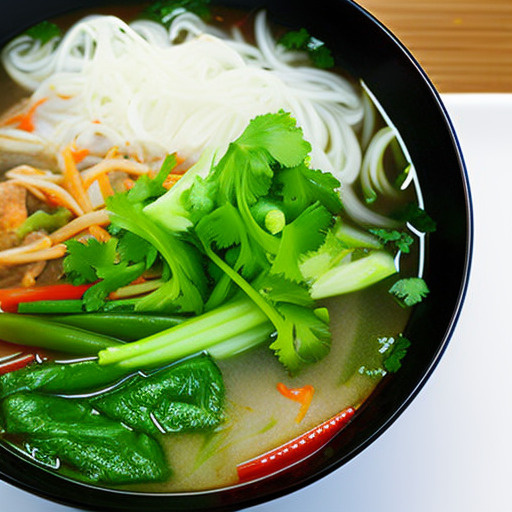
Garnishes: To really make your pho pop visually, consider adding garnishes such as sliced jalapenos, lime wedges or bean sprouts. These can add texture and flavor to your finished dish.
Pairing Pho with Beverages
Pho is perfect comfort food that goes well with many types of beverages. Here are some recommendations:
- Beer: Lager or Pilsner styles offset spicier soups.
- Coffee drinks:: Strong Vietnamese coffee is a must-try with pho.
- Iced Tea : Sweetened Iced tea adds balance to savory broths in phos.
Tips for Freezing and Reheating Leftovers
Pho makes for great leftovers, so here are some tips to make the most of your leftovers.
Preserving Your Pho: Store your prepared pho in an airtight container or zip-lock bag and refrigerate it within 2 hours of making. For optimal safety and flavor, use/stash it within three days. Otherwise freeze it so it can last up to three months instead of trying to extend shelf life in the fridge.
Reheating: Take out your pho from the fridge and let come to room temperature before serving/heating it up again using a microwave or stovetop. Keep the broth separate from noodles and toppings when packaging for freezing to keep its freshness intact.
Varying your Pho Recipe
Here are some ways you can switch up your pho recipe to add variety:
Add Different Meats: Switch up the proteins: thinly sliced chicken or shrimp works wonders in creating a lighter version of pho while turkey meatballs make for an interestingly new spin
Play with Spices: Adding different spices to your pho can take its flavors over another level. Fennel seeds, cloves, cumin, fenugreek are some good options.
Experiment with Noodle Types: Vermicelli glass noodles or thick & dense udon noodles offer alternatives giving fully realized dishes a unique texture and taste.
Add Extras: Want some crunch? Top with fried onions or crispy tofu for exciting earthy textures. Oyster mushrooms sautéed in butter could be delicious too!
Recommended Tools/Utensils For Making Best Pho Experience
For the best results, use these tools:
- Bowls: Pho bowls are perfect for oversized soups.
- Cutting Board and Knives: You will need to chop your herbs, veggies, and meats so having a good cutting board and sharp knives is essential.
- Strainer: Straining helps remove unwanted particles from the broth, leaving you and your diners with a clear, refreshing soup vibe.
Tips for Making Pho Look Great:
Pho is a beautiful dish that takes on many forms of art. Here are some tips to make your pho look gorgeous.
Garnish: Choose brightly colored herbs and vegetables adding an artful design element with diagonally sliced onions/carrots or layering basil leaves over the top.
Color Coordination: When choosing ingredients for this soup, not only think about taste, but also what hues they will bring out in the final dish.
Recommendations on Where to Taste the Best Phos
Discovering new flavors of pho can be enticing; here are some suggestions:
Vietnamese Restaurants :The best place to start is at traditional Vietnamese restaurants. These places offer regional pho styles made by chefs that have years of experience.
Night Markets/Streets :Vietnamese night markets are also a great place to sample some regional. It’s where short-order cooks whip up their own specialties like fish pho or pork belly pho.
Final Thoughts: Conclusion
Making pho at home is not only delicious but also therapeutic. With bone broth providing much-needed gut health benefits, and an overall sense of warmth and comfort that this powerful bowl brings. With the help of our ultimate guide to making delicious pho at home, you should be able to create a healthy and succulent dish, whether you’re a seasoned cook or completely new to Vietnamese cooking.
Frequently Asked Questions About Pho Recipe
What is Pho?
Pho is a Vietnamese noodle soup that consists of broth, rice noodles, herbs, and meat (usually beef or chicken). It’s a popular dish in Vietnamese cuisine and was originated in Vietnam in the early 20th century.
What are the essential ingredients for making Pho?
- Beef bones (or chicken)
- Yellow onions
- Ginger
- Cinnamon sticks
- Cloves
- Star anise
- Fish sauce
- Sugar
- Hoisin sauce (optional)
- Sriracha sauce (optional)
- Rice noodles
- Bean sprouts
- Cilantro
- Limes
How long does it take to make Pho?
The total time to make pho is around 4-5 hours. This includes preparing the broth, cooking the meat, and assembling all of the ingredients together.
Can I use other meats aside from beef or chicken for Pho?
Yes! Many pho recipes also use pork, seafood, or tofu as the main protein. You can experiment with different meats to create your own unique flavor profile.
What kind of rice noodles should I use for Pho?
You should use dried rice noodles that are thin and flat. The most common types are banh pho and banh chay.
Can I freeze leftover Pho?
Absolutely! Just make sure to freeze the broth and noodles separate from each other. When you’re ready to reheat, cook the noodles first and then pour the hot broth over them.
How to serve Pho?
To serve pho, simply add cooked noodles into a bowl, followed by the meat, bean sprouts, cilantro, and any other toppings you want. Then pour the hot broth on top of everything and squeeze lime over it. Enjoy!