best brownie recipe
The Ultimate Guide to Finding the Best Brownie Recipe
Introduction
Who doesn’t love brownies? These chewy, chocolaty treats have long been popular among kids and adults alike, and for a good reason. Rich, fudgy brownies can satisfy any sweet tooth. But with so many brownie recipes out there, it can be challenging to find the perfect one. Whether you’re looking for classic brownies or something a little more gourmet, this ultimate guide has got you covered!
What Makes a Great Brownie?
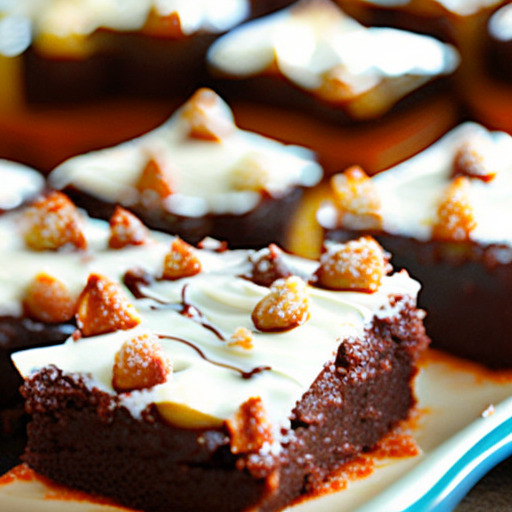
A great brownie is chewy yet crisp on the edges, rich, and chocolatey but not overly sweet. The texture should be moist and fudgy but not too dense as a cake. It should melt in your mouth, leaving a lingering chocolate flavor long after it’s gone.
Why Finding the Perfect Brownie Recipe is Important
Brownies are a classic comfort food that brings people together. By finding the right recipe, you can impress your family and friends with your baking skills. Plus, homemade brownies are healthier than store-bought ones because you know precisely what goes into them.
Brief History of Brownies
The origin of brownies is somewhat uncertain. Some claimed that they were invented by Palmer House Hotel Chef Bertha Palmer in 1893 for the World’s Columbian Exposition held in Chicago. Others say that Fanny Farmer included a chocolate-based dessert recipe similar to brownies in her 1906 “Boston Cooking-School Cook Book.” Still, others say that the first recorded appearance of brownies was in the early 1900s in an advertisement from Baker’s Chocolate.
Ingredients for Brownies
Flour Choices:
For chewy texture and maximum gluten development to hold the brownie structure, use all-purpose flour or wheat pastry flour. Using cake flour produces tender, cake-like texture brownies due to its low gluten content, producing less gluten when mixed.
Type of Sugar and Sweeteners:
Most traditional recipes call for white granulated sugar. Still, you can also use light or dark brown sugar when you want a more molasses flavor that caramelizes more quickly in the oven making for a more fudgy texture with dark chocolate notes. Other options include honey, maple syrup, and agave nectar, but be aware that they will change the taste and texture of the final product.
Chocolate - Types and Brands:
You may choose from unsweetened, bittersweet, semisweet chocolate bars which are 80% cocoa solids in weight. Milk chocolate is milder than any bitter options. A good-quality chocolate can give your brownies a rich color and depth of flavor.
Butter - Salted/Unsalted?:
It’s crucial to know which butter to use in your brownie recipe because it will affect the flavor of your baked goods. Salted butter contains salt so that it can add saltiness to the recipe; hence some people like to use just salted butter, while others prefer using unsalted butter so they may control the salt themselves.
Eggs - Free-Range or Conventional?
Aiming for maximum fluffiness and richness? Go with large eggs and separate yolks from egg whites; then beat egg whites until fluffy foam use only egg yolks for a richer, fudgy result. Use free-range organic eggs for deeper flavor when making vegan brownies; replace it with avocado mashed up into the batter or Drain chickpeas water and whip it into foam using an electric mixer.
Other Ingredients to Consider:
Additional ingredients such as vanilla extracts, salt, baking powder, chocolate chips, nuts, cocoa powder and other flavorings can add complexity to your brownie recipe. Mixing up the textures and flavors of different kinds of nuts elevates the flavor of walnut and pairs perfectly with fruit spreads like raspberry jam.
Basic Brownie Recipes
Classic Brownies:
This recipe is simple yet delicious and requires everyday ingredients like butter, unsweetened chocolate, sugar, and eggs. You’ll get rich chocolatey squares after only 30 minutes in the oven.
Fudgy Brownies:
Do you want gooey brownies with a crackly top? You’ll love fudgy brownies. These are moist, dense, ultra-rich brownies with perfect textural density between cakey and chewy.
Cakey Brownies:
For those who prefer fluffy baked goods, cakey brownies are an excellent option for you. These are less dense than fudgy brownies but still have a moist texture. They need less butter compared to fudgy results and will have a more cakelike texture.
Vegan Brownies:
You can enjoy brownies even if you’re allergic to eggs. Instead of using eggs in your recipe, replace it with pureed avocado or chickpea liquid.
Gourmet Brownie Recipes
Salted Caramel Brownies:
Mix a little extra salt into your batter for a truly mouth-watering experience. Then drizzle salty caramel sauce over these rich chocolate squares—trust us; they won’t last long!
Raspberry Cheesecake Brownies:
Who doesn’t love combining two desserts? This recipe features raspberries swirled into the cheesecake filling atop a layer of sumptuous chocolate layers for an indulgent treat!
Bourbon and Pecan Brownies:
Brownies with a little bourbon kick? Yes, please! These chocolatey squares are loaded with pecans and perfectly complimented by the rich flavor of bourbon.
Nutella Swirl Brownies:
What’s better than chocolate brownies? Nutella-swirled chocolate brownies! These are super easy to make and will satisfy any nut-chocolate lover.
Peanut Butter Cup Brownies:
Imagine peanut butter cups pressed into your favorite brownie recipe. Woohoo! And prepare to want a second slice as soon as you finish the first.
Using Different Types of Chocolates in Brownies
Dark Chocolate:
For those who love their chocolate ultra-deep and rich, dark chocolate is the perfect choice. The standard percentage is 60-85% cocoa solids used for baking. Some people can get up to 90-100% cocoa in some instances. This results in bolder and more intense flavors that are almost bitter.
Milk Chocolate:
Milk chocolates have a lighter, more mellow flavor than other types of chocolate. It’s great for those who don’t like strong chocolate flavors; Milk Chocolate works perfectly in cakey-type brownie recipes.
Semi-Sweet Chocolate:
When combined with sugar, this choice adds a perfect balance of sweetness and depth to brownie recipes, also known as bittersweet or semi-bitter chocolate. It generally contains 70% cocoa solids balanced with sugar which enhances its bitterness.
Bittersweet Chocolate:
Bittersweet chocolates contain up to 85% cocoa solids, which means they have less sugar content than semi-sweet chocolates. That equates to dessert jargon “more cocoa butter” resulting in a thicker texture and darker appearance in the baked good.
Unsweetened Chocolate:
It is perfect for adding a deep chocolate flavor to your brownie recipe where you don’t want the chocolate’s sweetness to overpower the dessert.
Tips for Making the Best Brownies
Choosing the Right Pan:
The first step in making perfect brownies is choosing a pan that fits your needs. Glass pans are better at insulating, so they bake more evenly and longer than metal pans like aluminum. Nonstick-coated pans are excellent for easy release while baking or greasing with cooking spray or parchment paper works too.
Size Matters: Which Pan Size is Best?
Using a smaller pan will create thicker, denser brownies that will take longer to bake. The opposite applies when using larger baking sheets – yielding thin, crispy results. Opting for 9x13inch size is a crowd-pleaser and producing consistent results.
Tricks to Achieve Perfect Texture and Consistency:
When baking brownies, the most crucial part is achieving the right consistency. Using melted butter imparts a moist, tender crumb in your brownie recipe; while using softened butter has an airier crumb.
Melted Butter Vs Softened Butter
When to Use One Over the Other:
If you’re looking for moist cakes or fudgy brownies, go with melted butter; if you prefer dense, chewy textures or crisp baked goods like cookies, softened butter might be better.
The Effect on Texture and Taste:
The melting point of butter dictates the texture of baked goods. By melting it completely removes almost all of its water content so when mixed with sugar the dissolved sugar creates air during baking, creating tenderness.
Additions and Mix-ins for Extra Flavor
Nuts (walnuts, pistachios, almonds):
Nuts can add a lovely crunch to your brownie recipe. Toasting the nuts only intensifies their flavor.
Flavorings (vanilla, espresso powder):
Adding vanilla or coffee powder to your brownie batter heightens the chocolate flavor for richer, more layered experience.
Mint Extract:
This famous winter flavor adds an unexpected twist to a good brownie recipe and perks up even the most basic recipes.
Coconut Extract :
Adding coconut extract can give tropical nuances to your dessert; combining it with toasted cashews or macadamia nuts brings next-level texture and depth of flavors.
Making Brownies Healthier
Substituting Sugar-Reduced-Calorie Sugars or Sweeteners:
Using alternatively sweeteners such as Stevia, Xylitol produce lower calorie options but alters the baked goods’ taste.
Incorporating Fruits (Avocado, Banana):
Bananas and Avocado can be mashed into the batter adding more fiber and depth of flavor while decreasing all-around calories in your treats.
Altering Flour Types - Using almond flour, coconut flour:
For those attempting gluten-free alternatives, nut-based flours like almond flour or coconut flour are great choices. Be mindful that these flours are more absorbent than wheat flour in the batter so adjust accordingly.
Troubleshooting Brownie Problems
Overcooked Brownies:
If your brownies are coming out dry or burnt on top while fudgy in the center, you might need to lower your oven temperature or decrease baking time. Also opting for thicker bakeware will help avoid overcooking of your whole batch.
Undercooked Brownies and Runny Centers:
No one wants raw batter in their brownies, but it’s a common mistake. If your brownies come out too undercooked, try increasing oven temperature next time for an even bake throughout.
Storing and Freezing Brownies
Appropriate Storage Times:
You can store your brownie in a cool, dry place for up to 4 days.
Refrigerating Brownies:
Refrigerator storage can yield firmer results than room temperature storage. First, wrap the brownies with plastic wrap and then seal them in an airtight container or zipper-lock bag.
Freezing Brownies Properly:
Freezing brownies are super easy and yield long-term results. After cooling it down completely, with plastic wrap, tightly wrap the pan or cut squares of brownie before layering it inside of an airtight container. It can stay stored frozen for up to two months.
Conclusion
Recall that tasty classic brownies are a favorite of many, but consumers may prefer gourmet varieties. This Ultimate guide covers various ways to make brownies tailored to individual preference—please take advantage of the baking tips and tricks and perfect the ultimate chocolate dessert. Remember practice makes perfect!
Best Brownie Recipe FAQs
1. What makes this brownie recipe the best?
Our brownie recipe uses a combination of butter and oil to achieve the perfect texture - crispy on the outside and fudgy on the inside. We also use both cocoa powder and melted chocolate for a deep chocolate flavor.
2. Can I substitute the cocoa powder?
No, we do not recommend substituting the cocoa powder in this recipe as it gives the brownies their signature chocolate flavor and color.
3. What type of chocolate should I use?
We suggest using semisweet or bittersweet chocolate with at least 60% cocoa solids for the best results.
4. Can I add nuts or other mix-ins?
Absolutely! This recipe is versatile and can be customized to your liking. Mix in chopped nuts, chocolate chips, or even dried fruit for added texture and flavor.
5. How long should I bake the brownies?
Bake the brownies for 25-30 minutes, or until a toothpick inserted into the center comes out with a few moist crumbs attached. Be careful not to overbake as this will result in dry brownies.
6. Can I make these gluten-free?
Yes, simply substitute gluten-free flour for the all-purpose flour in the recipe.
7. How should I store leftover brownies?
Store leftover brownies in an airtight container at room temperature for up to 4 days, or freeze for longer storage. To thaw frozen brownies, let them come to room temperature on the counter for a few hours before enjoying.
Try These Mix-Ins:
- Chopped nuts such as pecans or walnuts
- Chocolate chips
- Caramel swirls
- Dried fruit such as cherries or cranberries
Bold indicates important information. Remember to not overbake, which will result in dry brownies. This recipe is versatile and can be easily modified to your liking with mix-ins like chopped nuts or chocolate chips. Store leftover brownies properly in an airtight container or freezer and let them come to room temperature before enjoying.