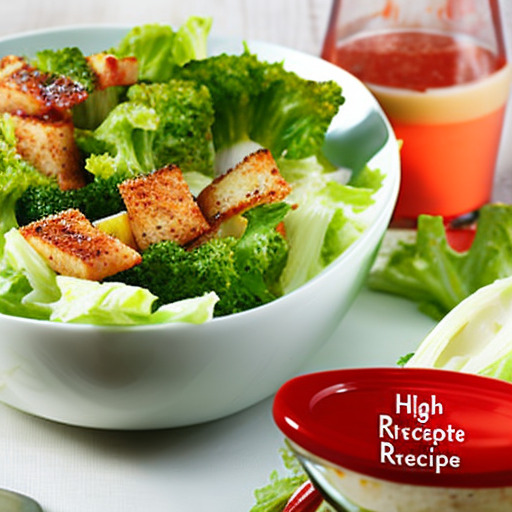
caesar dressing recipe
The Ultimate Guide to Making Mouthwatering Caesar Dressing at Home
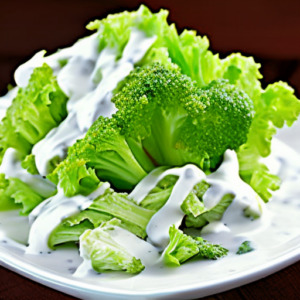
Caesar salad is probably one of the most popular salads worldwide, and one of the things that make it stand out is its delicious dressing- Caesar dressing. The creamy and tangy flavor of this dressing makes it the perfect addition to any salad. Many restaurants might offer their take on this dressing, but there’s nothing like preparing a fresh batch at home. In this ultimate guide, we’ll show you how to make a mouthwatering Caesar dressing from scratch!
Introduction
Caesar salad is believed to have originated from Mexico in the early 1920s. Caesar Cardini, an Italian immigrant, owned a restaurant in Tijuana, Mexico, where he concocted a special dish using ingredients he had on hand. He combined lettuce, Parmesan cheese, croutons, Worcestershire sauce, garlic, and olive oil. And that is how the classic Caesar Salad was born! Since then, people have come up with different ways of perfecting the recipe for the perfect Caesar dressing.
Making your Caesar dressing at home can be rewarding. Not only do you get to control the ingredients used in making the dressing, but you can also tweak your recipe to fit your taste buds preference.
Ingredients
Before we dive into making our homemade caesar dressing recipe, let’s quickly go through the necessary ingredients you will need.
- 1/4 cup extra-virgin olive oil
- 1/4 cup grated parmesan cheese
- 2 garlic cloves.
- 2 egg yolks.
- 1 tablespoon Dijon mustard
- Freshly squeezed lemon juice
- Worcestershire sauce.
- Salt and pepper to taste
- Romaine lettuce or any other salad greens you prefer
- Croutons.
Substitutes and Alternatives
- You can substitute the olive oil with neutral-tasting oil like sunflower, avocado or grapeseeds oil.
- Lemon juice can be replaced with white wine vinegar, apple cider vinegar or red wine vinegar.
- For a healthier option, use Greek yoghurt instead of egg yolks.
Equipment
You don’t need any special equipment to make your Caesar dressing. All you need are basic kitchen utensils found in your kitchen.
- A blender or food processor
- Measuring spoons
- Mixing bowl
- Whisk
- Cutting board
- Chef’s knife
However, for a smooth emulsified Caesar Dressing, using a blender is recommended over the whisk method.
Cleaning and maintenance tips
Ensure that your blender, cutting board and other cooking utensils are always clean to prevent bacterial growth. Wash them thoroughly with hot water and soap then dry them properly after each use.
Directions: Step-by-step guide
Follow the step by step guide below to make the perfect Caesar dressing at home:
- Prepare the garlic cloves:
Peel and chop 2 garlic cloves. - Boil eggs and separate yolks:
Boil two eggs for six minutes and separate the egg yolks from white. - Blend the garlic cloves:
Add the chopped garlic to your blender and blend until it becomes fine. - Add the egg yolks, mustard, and lemon juice until smooth:
Add the egg yolks, Dijon mustard, and freshly squeezed lemon juice in a mixing bowl and whisk until it smoothes. Then, pour this mixture into the blender containing the garlic. - Slowly add olive oil to the blender until it emulsifies:
While blending, add olive oil slowly into the blender in a thin steady stream until the dressing becomes thick and creamy or emulsified. - Stir in Parmesan cheese, Worcestershire sauce and black pepper:
Add grated parmesan cheese to the blender along with Worcestershire sauce, salt and black pepper. Then blend again on low speed just enough to mix all ingredients well. - Adjust seasonings:
Taste as you go. Add more salt or pepper if desired. - Tips for storing:
Keep your Caesar dressing in an airtight container in your refrigerator for up to one week.
Variations
There are different varieties of Caesar dressing that you can experiment with to fit your taste. Here are some variations of Caesar dressing that you can try:
Classic Caesar Dressing
This is the original version of Caesar dressing made with garlic, egg yolk, lemon juice, mustard, olive oil, Worcestershire sauce, and Parmesan cheese.
Healthy Caesar Dressing
To make a healthier version of this dressing that is low in calories. Substitute the egg yolks with Greek yoghurt or mayonnaise. You can also use low-fat or fat-free parmesan cheese and olive oil.
Creamy Caesar Dressing
Add Greek yoghurt or mayonnaise to your ingredients for a creamier dressing.
Spicy Caesar Dressing
Add hot sauce or red pepper flakes if you love a little heat in your dishes.
Gluten-Free Caesar Dressing
Substitute the croutons with gluten-free bread or exclude them entirely from your Caesar salad.
Toppings & Serving Suggestions
Toppings that pair well with Caesar dressing include:
- Grilled chicken
- Anchovy fillets
- Bacon bits
- Shredded parmesan cheese
- Chopped tomatoes
Innovative ways to serve your dressing;
- As a dip for vegetables like carrots, celery sticks or cucumbers
- As a sandwich spread
- Tossed with leftover chicken in a wrap
Troubleshooting
If your Caesar dressing doesn’t turn out as expected, here are some solutions to common problems:
The caesar dressing tastes too tart:
Reduce the amount of lemon juice used when making the dressing next time.
The caesar dressing is too thick:
Add more olive oil in a thin stream to help thin the paste.
The caesar dressing is too thin:
Add mayonnaise or Greek yoghurt to give it a thicker consistency.
Nutritional Information
A two-tablespoon serving of Caesar dressing contains approximately:
- 89 Calories
- 9g Fat
- 2.7g Protein
- 1.8g Carbohydrates
Health Benefits
Here are some nutrients found in Caesar dressing and how consuming it can benefit your health:
The egg yolk :
Egg yolks contain choline, a nutrient vital for brain function.
Garlic:
Garlic is an immunity booster and can reduce blood pressure.
Lemon juice:
Rich in Vitamin C, helps boosts immunity.
Olive oil:
Contains healthy monounsaturated fats that reduce inflammation.
Expert Tips
To make your Caesar dressing extra special, here are some tips from professional chefs:
- Use freshly grated Parmesan cheese instead of pre-grated for the best taste.
- To achieve the creamiest texture, use room temperature egg yolks when whisking.
- Add one or two anchovy fillets to give your dressing an extra layer of flavor.
- Use high-quality ingredients to achieve the best results.
Conclusion
Making your Caesar dressing at home provides you with full control over the ingredients and lets you experiment with different flavors. It may take a little effort, but making it yourself is undoubtedly worth it in terms of quality and taste. With this ultimate guide, you can now create mouthwatering salads and appetizers that everyone will enjoy!
7 FAQs About Caesar Dressing Recipe
1. What is Caesar Dressing?
Caesar dressing is a creamy, tangy dressing that typically contains ingredients such as anchovies, garlic, lemon juice, Dijon mustard, Parmesan cheese, and olive oil.
2. Can I Make Caesar Dressing at Home?
Absolutely! Making Caesar dressing at home is simple and easy. All you need are the right ingredients and a blender or food processor.
- Ingredients:
- 2 cloves of garlic
- 1 tablespoon of Dijon mustard
- 1/4 cup of grated Parmesan cheese
- A pinch of salt and black pepper
- The juice of half a lemon
- 1/4 cup of olive oil
- 2 tablespoons of mayonnaise
- 2-4 anchovy fillets (depending on taste)
- Instructions:
- Add all the ingredients to a blender or food processor and blend until smooth.
- If the mixture is too thick, add a splash of water or more lemon juice until it reaches your desired consistency.
- Taste and adjust seasonings according to your preference.
3. Can I Substitute Anchovies in my Caesar Dressing?
You can certainly substitute anchovies in your Caesar dressing with fish sauce, soy sauce or Worcestershire sauce for umami flavor.
4. How Long Does Homemade Caesar Dressing Last?
Homemade Caesar dressing can last up to a week in the refrigerator if stored in an airtight container. But for maximum freshness, it’s best to consume it within three to four days.
5. Can I Make Caesar Dressing Vegan?
Yes, you can make Caesar dressing vegan by using vegan mayo, Parmesan cheese made from nut milk or nutritional yeast, and sour cream made from cashew cream or silken tofu instead of mayonnaise.
6. Can I Add Different Flavors to my Caesar Dressing?
Absolutely! Experiment with different flavors to add your unique touch to this classic dressing. Try adding roasted garlic, sun-dried tomatoes, chipotle peppers or roasted red peppers, or even avocado.
7. What are the Best Foods to Serve with Caesar Salad?
The classic pairing for Caesar salad is grilled chicken or shrimp. But it also pairs well with toasted croutons, boiled eggs, salmon, steak strips and tomato confit.