mayonnaise recipe
Mastering the Art of Homemade Mayonnaise: A Step-by-Step Guide from Scratch
Mayonnaise is a versatile and delicious condiment that can be used in a multitude of recipes. Whether you are making a classic potato salad, a delicious dipping sauce, or as a base for a salad dressing, mayo always adds an extra punch of flavor.
In this article, we will go through the steps to make homemade mayonnaise from scratch. We will discuss the history and basics of mayo, the essential ingredients and equipment, and we will offer tips for achieving the perfect texture and flavor. Additionally, we will cover common mistakes while providing solutions to fix them.
1. Introduction
The History And Basics Of Mayonnaise
The origins of mayonnaise are not entirely clear, but most people associate the sauce with French cuisine. It is believed that the Duke de Richelieu’s chef created mayonnaise in his attempt to make a sauce similar to an aioli he tasted during a trip to Spain.
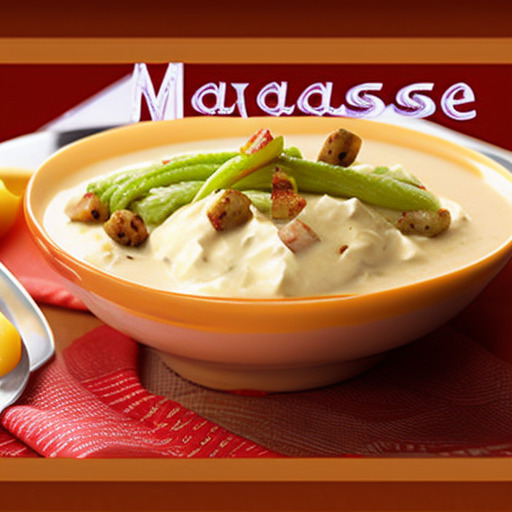
Mayonnaise is made up of three key ingredients - egg yolks, oil and vinegar or lemon juice, which are emulsified together until smooth and creamy. The key to good mayonnaise is emulsifying these ingredients properly.
Why Make Mayonnaise From Scratch
Homemade mayonnaise offers several benefits over store-bought varieties:
- Homemade mayonnaise tastes fresher and more flavorful than store-bought mayonnaise.
- You can customize the flavor of homemade mayo according to your taste preferences by adding different herbs and spices.
- You know exactly what ingredients go into your mayo as it’s made from scratch.
2. Ingredients And Equipment
Essential Ingredients for Homemade Mayonnaise
Here are the ingredients you will need to make classic mayonnaise:
- 2 egg yolks (room temperature)
- 1 tsp Dijon mustard
- 1 tbsp lemon juice or white vinegar
- 1 1/4 cups neutral oil (such as sunflower oil or grapeseed oil)
- Salt to taste (approximately a pinch)
You can also add garlic, herbs, or other flavorings to create variations on the classic mayo recipe. The possibilities are endless.
Selecting The Right Equipment
To make mayonnaise from scratch, you will need a few essential pieces of equipment:
- A mixing bowl (preferably stainless steel)
- A whisk or an electric mixer with a whisk attachment
- A rubber spatula for scraping down the sides of the bowl
3. Safety Considerations
Safe Handling of Raw Eggs
Since homemade mayo is made from raw eggs, it’s important to take precautions to avoid foodborne illness. Here are a few tips:
- Use fresh eggs from reputable sources and check for any cracks before using them.
- Use pasteurized eggs if you have concerns about consuming raw eggs.
- Avoid leaving your homemade mayo at room temperature for longer than two hours, as bacteria can grow and lead to food poisoning.
Alternatives For Raw Eggs In Mayonnaise Recipe
If you prefer not to use raw eggs, there are alternatives:
- Use pasteurized egg products which are widely available. Just be sure to check that they are pasteurized correctly.
- Vegan mayo can be made using alternative ingredients such as soy milk or tofu
4. Classic Mayonnaise Recipe
Step by Step Guide to Making Classic Mayonnaise
Here is a step by step guide to making classic mayonnaise from scratch:
- In a mixing bowl, whisk together the egg yolks and Dijon mustard until smooth and creamy.
- Slowly drizzle in the oil while continuing to whisk vigorously. The oil should be added slowly, so it emulsifies correctly with the egg yolks and mustard.
- Add in the lemon juice or vinegar, salt, and any other flavorings you’d like.
- Whisk until everything is combined and the mayonnaise is smooth and glossy.
- Taste your mayo and add any additional salt or flavors if necessary
Tips for Achieving Perfect Texture and Flavoring
The most crucial aspect of making homemade mayo is getting the right texture and consistency. Here are some tips that can help you achieve perfect mayonnaise:
- The egg yolks should be at room temperature before making the mayo. This ensures that all ingredients emulsify correctly.
- The oil should be drizzled slowly into the egg mixture as it takes time during whisking for oil and egg yolks to emulsify.
- The bowl used for mixing should be stable and stay in place. You can keep it steady with a tea towel or damp cloth under the bowl.
- Add any herbs or other flavorings slowly and gradually to avoid overpowering the taste of the mayo.
5. Flavor Variations And Add-Ins
Adding Herbs, Spices, And Other Flavorings To Mayo
Once you have prepared your classic mayonnaise recipe, you can then customize it by adding different herbs, spices, and other flavorings according to your preference. Here are some popular variations:
- Aioli: Add garlic paste or minced garlic for a traditional French version of mayo.
- Chipotle Mayo: add chipotle puree to have a delicious spiced up mayo
- Avocado Mayo: For a healthier option, add fresh avocado for a delicious twist.
Creative Variations Of The Classic Mayo – Avocado Mayo, Chipotle Mayo, Etc.
If you’re feeling creative in the kitchen, here are some fun and unique variations that you can make:
- Egg-free Mayonnaise - Vegan mayo made from soy milk is a great egg-free option. There are pre-made vegan- friendly mayos available in food stores as well.
- Truffle Mayonnaise - Adding truffle oil can make for an indulgent variation of mayo for those who love the musky, robust aroma.
- Miso Mayo - Adding some white miso paste results in a rich-tasting mayonnaise.
6. Troubleshooting Mayonnaise Making
Common Mistakes and How to Avoid Them
Homemade mayonnaise can quickly become a kitchen disaster when things go wrong. Here are some common mistakes to watch out for:
- The mayo is too thick. If you have added too much oil, try whisking in a teaspoon of water until the texture thins out.
- The mayo won’t emulsify. Try using an immersion blender or swapping the mixing bowl for a jar with a tight lid to start the emulsification process.
- The mayonnaise has separated: Add another egg yolk yolk and slowly whisk it into the curdled mayo to bring everything back together.
How To Fix A Broken Or Curdled Batch Of Mayo
If your mayonnaise has gone from smooth to curdled and oily, don’t worry - all is not lost! You can still rescue your batch of mayo by following these simple steps:
- In a new bowl, whisk an egg yolk and a few drops of lemon juice.
- Slowly start adding spoonfuls of the failed mayo into your new mixture while whisking constantly.
- Once everything is combined and smooth, taste and adjust seasoning if necessary.
7. Vegan Mayo Recipe Ideas
Vegan Mayo Recipe Variations Using Tofu, Aquafaba, And Other Plant-Based Ingredients.
If you’re looking for a vegan-friendly mayonnaise option, here are some easy substitutes that will make for rich-tasting mayo:
- Tofu Based Mayo - replace the egg yolk with silken tofu and blend it up until smooth like you would the yolk.
- Cashew Mayonnaise - Soak cashew for a few hours before blending them along with simple ingredients to make a dairy-free mayo.
- Aquafaba Mayonnaise - Aquafaba is the water from a chickpea can. Whisk it like an egg white until stiff peaks form, then gradually add oil, lemon juice, and seasonings, and voila! You have eggy mayo without an egg
8. Storing Homemade Mayonnaise
Best Storing Methods For Homemade Mayonnaise
Homemade mayo should be stored correctly to maintain its freshness and flavor. Here are some tips:
- Store homemade mayo in a clean, airtight container in the fridge.
- Homemade mayo typically stays fresh for up to a week in the refrigerator but check for any off flavors before use.
- If your mayonnaise starts to separate even after chilling, just put it back into your mixing bowl and whisk it up. It will be restored immediately.
Shelf Life Considerations
Some known Mayo brands tend to have longer shelf lives than homemade vegan or regular mayo. That being said home-made mayo could stay good in the fridge for about 7-14 days depending on storage conditions. The addition of vinegar or citric acid acts as preservatives, although freshness trumps shelf life.
9. Using Mayonnaise In Cooking And Baking
Endless Possibilities With Homemade Mayo – Classic Potato Salad, Deviled Eggs, Dipping Sauces, Baking Cakes Among Others.
Mayonnaise has endless possibilities when it comes to cooking and baking. It is an essential ingredient used in many recipes. Here are some ideas to get started:
- Creamy Dressings: Use homemade mayo as a base for dressing on salads or coleslaw.
- Dips & Spreads: Whip up some tasty dipping sauces for chips, pita bread, or raw veggie sticks.
- Sandwich And Burger Toppings: Mayo-based sauces make for a perfect sandwich topping or condiment.
- Baking: Mayo can be used in any recipe that requires oil or butter. It makes baked goods moist and tender.
10. Summary of Tips and Advice
Key Takeaways on Successfully Making Homemade Mayonnaise Every Time
Making mayonnaise at home from scratch is easy once you have the right ingredients, technique, and patience. Here are the key takeaways for perfectly making homemade mayo every time:
- Add oil slowly and whisk continuously until it emulsifies properly with the egg yolks.
- Use room temperature egg yolks, oil, lemon juice, vinegar and other ingredients to allow better consistency while mixing.
- If you’re trying a new flavor or recipe variation starting small and testing on little batches first will ensure less wastage into case of mistakes.
11. Final Notes: Mayonnaise In Hacks
Innovate New Ways Of Using Homemade Mayo Like Dehydrating It To Make A Nice Crust Dip.
Mayonnaise is a versatile condiment that can add creaminess and flavor to many recipes. Besides the usual uses, here are some creative hacks for mayo:
- Crust Dressing- Dehydrate a small amount of mayo in the oven spread thinly, resulting in a crust dip to go over dishes like roasted salmon or crusted chicken.
- Beaded Fried Chicken - Coat chicken in a mix of flour and mayonnaise for a crispy crust and golden finish.
12. Conclusion
Recap Of The Benefits Of Making Your Own Homemade Mayonnaise And How Simple It Can Be.
Homemade mayonnaise is simple to make and offers more unique flavors. Additionally, it’s healthier than mayonnaise made from artificial preservatives. With this step-by-step guide, you can now confidently venture into making delicious homemade mayo that will be hard to beat.
Frequently Asked Questions About Making Your Own Mayonnaise at Home
1. What equipment do I need to make mayonnaise?
All you really need is a whisk, a medium-sized mixing bowl, and a little bit of elbow grease. However, using an immersion blender or food processor can make the process much easier and faster.
2. What ingredients do I need to make mayonnaise?
You’ll need egg yolks, oil, vinegar or lemon juice, and salt. Some recipes also call for dijon mustard, garlic, or other seasonings to add flavor.
3. Can I use any type of oil?
Not all oils are created equal when it comes to making mayonnaise. You’ll want to use an oil that is neutral in flavor and has a high smoke point, such as canola or grapeseed oil.
4. Do I need to use pasteurized eggs?
Raw eggs can carry harmful bacteria such as salmonella, so it’s recommended that you use pasteurized eggs for safety. However, if you’re comfortable with using raw eggs and know your source, go ahead and use them.
5. How long does homemade mayonnaise last in the refrigerator?
Homemade mayo will keep in the refrigerator for up to a week.
6. Can I customize the flavor of my homemade mayo?
Absolutely! You can experiment with different types of vinegar or lemon juice, add fresh herbs like basil or dill, or even mix in some sriracha or chipotle pepper for a spicy kick!
7. Can I make egg-free mayonnaise?
Yes! You can use aquafaba (the liquid from canned chickpeas) as a substitute for eggs. Simply whisk it together with oil, vinegar or lemon juice, and salt to create a vegan-friendly mayo.
- Pro tip: To make sure your mayo has the right consistency, add the oil very slowly at first and whisk until well combined before adding more.
- Pro tip: Use room temperature eggs to help the mayo emulsify more easily.