carbonara recipe
The Ultimate Carbonara Recipe: A Guide to a Creamy and Flavorful Italian Dish
Carbonara is a classic Italian pasta dish that has been loved for generations. Who can resist the creamy, rich, and flavorful sauce coating perfectly cooked pasta? Carbonara is a go-to dish for both novice and experienced home cooks. In this article, we will provide you with an ultimate carbonara recipe, list all the required ingredients, and give tips on how to achieve the perfect texture and flavor every time.
Introduction
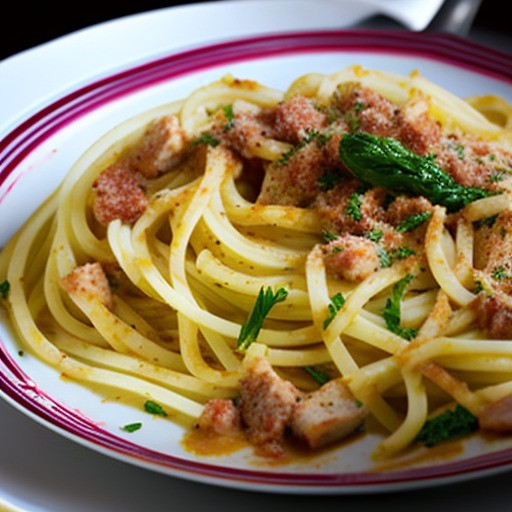
Carbonara is a savory pasta dish made with spaghetti or other pasta shapes mixed with a sauce made from eggs, cheese, black pepper, and cured pork such as bacon or pancetta. The dish originated in Rome and was created as a way to give American soldiers a taste of home during World War II. It has become one of the most popular Italian dishes around the world, often served in Italian restaurants or served at home as a weeknight meal.
Why is carbonara an all-time favorite?
Carbonara comes with smoky flavor from the bacon, spiciness from the black pepper, creaminess from eggs and parmesan cheese which are savored together with al dente pasta that’s cooked perfectly. Additionally, it is an easy and quick recipe that does not require lots of equipment or fancy cooking skills.
Ingredients
Here are all the necessary ingredients to make carbonara:
- Spaghetti or other long pasta (400g)
- Eggs (3)
- Parmesan cheese (1 cup) grated
- Black pepper freshly ground (2tsp)
- Salt (1tsp)
- Olive oil 2 tbsp
- Garlic (2 cloves) minced
- Bacon or pancetta (200g)
Optional: If you prefer your carbonara creamier than usual you can add heavy cream (1-2 cups) as an alternative to parmesan cheese.
Alternative ingredients for dietary restrictions
If you have any dietary restrictions, don’t worry! Here are some easy swaps you could make to accommodate your preferences:
- Gluten-free pasta for gluten-free diet followers
- Non-dairy cheese instead of Parmesan for dairy-free individuals
- Turkey bacon can be replaced with pancakes bacon for halal/kosher diet followers or people who avoid pork.
Tools and Equipment
Although carbonara is a simple recipe, it requires some essential kitchen tools for the perfect outcome. Here are the items you will need:
- Large saucepan to cook pasta
- Mixing bowl
- Whisk
- Cheese grater
- Mincer to mince garlic cloves
- Colander for draining spaghetti
- Tongs to mix the pasta and sauce.
Besides these essential kitchen tools, some specialty equipment will help you achieve a great carbonara, including:
- Wooden spoon: preferable than stainless steel to stir cream and eggs over low heat without getting the sauce curdled.
- Flat cheese grater; provides better texture to grated parmesan cheese.
Preparing the Sauce
The sauce is an essential ingredient to make carbonara. Many home cooks add cream or milk in the sauce which results in a pale lumpy color due to overcooking of eggs. But if you avoid this step, the traditional Italian way of making the sauce creates a creamy and velvety substance. Let’s prepare your sauce.
- The first step starts by whisking together three large eggs and one cup grated Parmesan cheese in a mixing bowl until well combined.
- Add two teaspoons of freshly ground black pepper and one teaspoon salt. Mix again until combined.
- Preheat a non-stick pan on medium heat with two tablespoons olive oil. Add minced garlic cloves and sauté for one minute until soft.
- Add bacon or pancetta strips in the same pan and cook over medium heat for about 5 minutes. Remove cooked strips from pan and place them on paper towels to remove excess fat.
- Pour spaghetti into the boiling water, and cook the pasta for about 7-8 minutes until it becomes al dente according to the package instructions.
- Return the bacon strips to the pan with garlic and olive oil, stir, and keep warm over very low heat. Make sure that they don’t burn while cooking other steps of carbonara recipe.
- When spaghetti is cooked, drain it using a colander. Make sure there is no excess water left in the strainer so your pasta will not be soggy when mixing with sauce.
- Add spaghetti pasta into warm bacon and garlic mixture and stir until coated evenly.
- Diminish heat to low for the sauce, gradually add hot pasta mixture in small batches (alternately) into whisked egg and cheese mixture. This method allows eggs to cook gently without getting curdled while cooks pasta through the residual heat. Keep stirring the mixture constantly as you do this step.
- The sauce should become smooth, thickened, velvety coated spaghetti strands quickly after adding all pasta in small portions while stirring constantly.
Do’s and Don’ts in cooking the perfect carbonara sauce
As a home cook or chef preparing carbonara sauce, several things must be avoided so that the outcome is well-nigh perfect. These might include are:
Do:
- Cook Pasta until al dente according to instructions on the packaging
- Use room temperature eggs for the sauce as they blend well easily than cold eggs
- Stir sauce mixture constantly while adding cooked pasta gradually to avoid overheating eggs.
- Make enough sauce so that it will coat spaghetti evenly.
Don’t:
- Add cream or milk in a sauce as it dilutes and discolors the yellow color of the sauce.
- Stop stirring the pasta at any moment because it will curdle when it cools down.
- Overheat the pan once you add cooked spaghetti into sauce ingredients as that can result in a scrambled egg-like texture.
Cooking the Pasta
The quality of pasta defines a carbonara dish. Choose a long pasta shape such as Spaghetti, Linguine, Bucatini from a renowned brand that has been made of hard wheat durum semolina flour. After choosing your favorite shape of long pasta, take into account some tips below.
Choosing the right pasta shape
Not all types of pasta are suitable for carbonara. Choose one that goes well with creamy textures of any kind of sauces but firm enough to hold sauces without breaking apart. Here are some ideas for you:
- Spaghetti: Is the classic and most common of all long-cut pastas widely used in carbonara.
- Linguine: Is flat cut essentially thinner version of flat spaghetti noodles, perfect for lighter sauces.
- Fettuccine: is wide noodle ribbons thicker than spaghetti, favored with heavier sauces.
Tricks to cook pasta perfectly
Cooking perfect pasta takes some tricks. Below are few simple tips to perfect your pasta:
Do:
- Follow packaging instructions. Usually pasta takes between 8 -10 minutes to cook to al dente texture.
- Heavily salted water for pasta adds flavor to the pasta, so add two tablespoons of salt in a large pan boiling water.
- Stir the spaghetti immediately after adding it to the pasta pot.
- Use tongs to remove pasta from boiling water instead of draining them with colander; that way you can keep reserved pasta water that you can use later on for thickening sauce.
Don’t:
- Add oil to your cooking pasta water as it will stop the sauce sticking to the pasta when mixed.
- Add any other seasoning in boiling salt water as it wouldn’t improve the taste and could interrupt the flavors of the dish.
Preparing the Toppings
Bacon, guanciale, or pancetta is used as pork meat in carbonara sauce. It’s crisp and ideally savory or spicy with distinct meaty bacon flavor. Here’s what to be done before using any one of them:
Sourcing high-quality toppings
If you want to turn out a classic and creamy dish of carbonara, try sourcing a good quality cured bacon or pancetta. Choose high-quality ingredients—which are both abundant regarding its fat percentage. The pancetta is already cured which enhances that unmistakable smoky taste, while bacon is more desired and smokier than pancetta — making it more favored among home cooks.
Preparing meat toppings - bacon or pancetta?
Bacon and pancetta are very similar; they’re both made from pork belly-meat but pancetta is not smoked as bacon and has been cured with spices. Here’s how you prepare them ready for carbonara:
Bacon
- Slice bacon into small bits as little as possible and fry over medium heat until crispy in a non-stick pan without adding any oil.
- Remove from pan using tongs once fully cooked absorbing excess fat on paper towels.
Pancetta
- Slice pancetta as thinly as possible and fry in a non-stick pan for about 3 minutes until golden and crispy.
- Remove it from the pan using tongs, and remove excess fat on paper towels before mixing it with spaghetti.
Cooking the Toppings and Mixing with Sauce and Pasta
This is where all the preparation comes together, this step is the make or break point of carbonara dish. Follow these steps and end up with perfect carbonara.
- Fry bacon or pancetta in a pan to golden and crispy. When ready place pieces in a separate plate, you will combine them back once sauce pasta is ready.
- Add cooked spaghetti into frying pan containing bacon bits, toss well to coat spaghetti evenly.
- When ready to combine pasta and sauce, drop spaghetti strips into the warm fried bacon mixture pan. Turn off the heat to avoid overcooking the eggs. Toss combined ingredients together gently making sure that sauce coats pasta strands fully
- Slowly mix whisked egg and parmesan cheese sauce into pasta while stirring constantly to allow well-combined mixture.
- If needed add some reserved starchy water gradually when mixing to obtain creamy thickness for your preference by splashing it over while stirring consistently.
As final touches combine the ideal mix together:
Do:
- Add few drops of olive oil to moisten it slightly if your carbonara dish looks drier.
- Mix pancetta or bacon with spaghetti in sauce just before removing it from burning so they will not be overcooked.
Don’t:
- Overcook mixed ingredients as this can change both taste and texture while stirring too much could break the spaghetti strands apart leading to unsatisfactory results.
Serving Suggestions
Carbonara is served hot and with a crisp texture of bacon or pancetta elevating the rich and delicate flavors of this dish. Here are some serving tips:
Garnishing methods
You could add some chopped fresh herbs over your carbonara to add a perfect layer of flavor and freshness as per your preference.
Some ideas:
- Freshly cracked black pepper
- Chopped parsley
- Lemon zest or lemon juice
Accompaniments to serve with Carbonara
A classic carbonara dish alone is perfect, but you could serve them with various accompaniments that complement the creamy textures or add more flavors to it.
Some of the accompaniments ideas include:
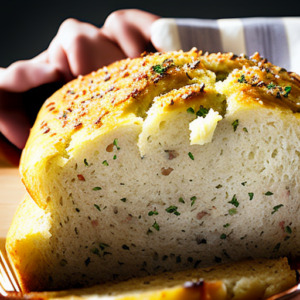
- Garlic breadsticks or garlic bread to mop up any sauce leftover
- Side salad with leafy greens that pair well with pasta dishes such as arugula
- Lightly steamed vegetables such as cauliflower which contrast with creaminess.
Storage Options and Reheating Tips
If you have any leftovers, don’t throw them away! Carbonara sauce is thick and cream-based so it thickens faster once it gets cold. Here are some storage options to consider:
Do:
- Store carbonara in an airtight container and refrigerate immediately after cooking.
- Carbonara can be frozen for up to three months but do not use cream version as it will become curdled when reheated.
- Always reheat in a non-stick saucepan over low heat by adding reserved pasta water (2 tablespoons) till you obtain desired thickness.
Don’t:
- Do not store leftover carbonara at room temperature for long durations as it would spoil quickly.
Variations of Carbonara Recipe
Carbonara recipe has shown its versatility in varying and adding different ingredients. If you want to make a few changes so that carbonara satisfies your cravings, here are a few variants of the traditional recipe:
1. Roman Carbonara Recipe
The classic Italian recipe without eggs used instead. Cacio e pepe replaces Parmesan cheese, Ricotta cheese sauce or Gravia (beef) added to lend a meaty flavor.
2. Spaghetti alla Chitarra Carbonara recipe
This type of spaghetti uses a particular type of pasta maker called Chitarra from Abruzzo. It is a hand-held device with ridges made from wooden frame and steel wires that turn flat squares into strands of spaghetti.
Common Mistakes to Avoid while cooking Carbonara
Carbonara as simple it may be can bring some challenges, but knowing common mistakes you could avoid them and perfect your dish.
1. Adding cream in the sauce
Carbonara recipe does not require cream or milk as it forms custard-like sauce. Instead, you will add some reserved starchy water from boiled pasta to achieve creamy consistency where it’s needed.
2. Overcooking of eggs in sauce
When adding boiled pasta into a cheese and egg mixture, it’s essential to mix them well to obtain a perfect balance between ingredients and end up having scrambled eggs-like texture.
Conclusion
Carbonara is one of those dishes where the simple ingredients come together to create something incredibly delicious when prepared correctly. The smoky bacon, rich egg, black pepper, and cheesy sauce combined with perfectly cooked pasta make it an all-time favorite dish. With these tips and tricks, you can avoid common mistakes and prepare this Italian classic yourself at home like a seasoned chef without much effort. Saluti!
Frequently Asked Questions About Carbonara Recipe
What is carbonara?
Carbonara is a classic Italian pasta dish that features spaghetti or other long noodles coated in a creamy sauce made with eggs, cheese, and pancetta or bacon.
What ingredients do I need to make carbonara?
To prepare a delicious carbonara recipe, you will need:
- Spaghetti or other pasta;
- Eggs;
- Parmesan cheese;
- Pancetta or bacon;
- Garlic;
- Salt and pepper to taste.
How do I make carbonara?
To make carbonara, cook the pasta according to the package instructions. While the pasta is cooking, fry the pancetta or bacon until crispy. Beat the eggs and cheese together in a bowl, then add the garlic and cooked pancetta or bacon. Drain the cooked pasta and add it to the pan with the pancetta or bacon. Pour in the egg mixture and toss everything together until well combined and creamy. Serve immediately with extra Parmesan cheese and black pepper.
Is it okay to use cream in carbonara?
No, traditional carbonara recipes don’t use cream. The creamy texture of the sauce comes from mixing raw eggs with cheese, which forms into a thick coating when heated by the hot pasta.
What type of cheese should I use for carbonara?
The authentic type of cheese used in carbonara is Pecorino Romano, but Parmesan can also be used as a substitute if you can’t find Pecorino.
Can I substitute bacon for pancetta?
Yes, you can use bacon instead of pancetta in carbonara. However, the result will be slightly different in taste as pancetta has a more delicate flavor than bacon.
How can I prevent scrambled eggs in carbonara?
To avoid ending up with scrambled eggs in your carbonara, remove the pan from the heat while adding the egg and cheese mixture to the pasta. Additionally, make sure to constantly toss the pasta so the eggs cook evenly and don’t stick to the bottom of the pan.