
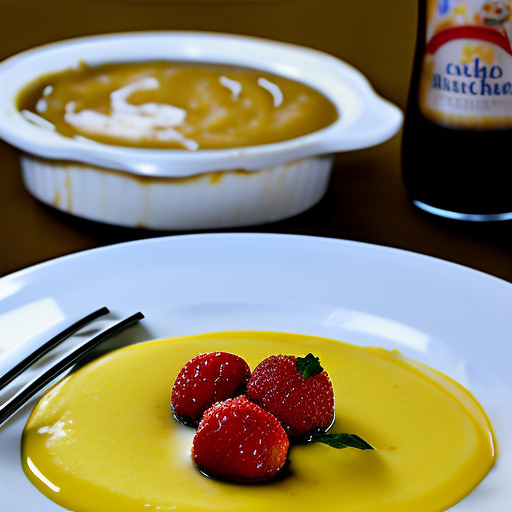
Custard Recipe: The Ultimate Guide
Custard is a beloved dessert that has been around for centuries and is a staple in many households. Whether you prefer it baked or stirred, with vanilla or nutmeg, there is no denying that custard is a classic dessert that brings comfort and satisfaction. In this ultimate guide, we will cover everything you need to know about making the perfect custard recipe.
Ingredients
The first step in making the perfect custard recipe is to gather your ingredients. While there are many variations of custard recipes out there, the basic ingredients you will need include:
- Milk or cream
- Eggs
- Sugar
- Flavorings (vanilla, nutmeg, etc.)
- Thickener (cornstarch, flour, or egg yolks)
It’s important to use high-quality ingredients, especially when it comes to the eggs and milk or cream, as they will significantly affect the final outcome of your custard.
Tools and Equipment
The second step in making the perfect custard recipe is having the right tools and equipment to make the process smoother. The tools and equipment you will need include:
- Saucepan
- Mixing bowl
- Whisk
- Heatproof bowl
- Fine-mesh strainer
- Oven-safe ramekins
Before starting your recipe, make sure all your equipment is thoroughly cleaned and ready for use.
Types of Custard
Before diving into the step-by-step process of making baked and stirred custard, it’s important to understand the different types of custard out there. The most common types of custard include:
- Baked custard vs. stirred custard
- Crème anglaise vs. crème brûlée vs. flan
Baked custards are cooked in a water bath in the oven and have a firmer consistency, while stirred custards are cooked on the stove and have a creamier texture.
Crème anglaise is a stirred custard that is often used as a sauce for desserts, while crème brûlée is a baked custard with a caramelized sugar topping. Flan is a Spanish dessert that is made with eggs, milk or cream, and sugar, and has a thin caramel topping.
Step-by-Step Instructions: Baked Custard Recipe
Now that you have all your ingredients and equipment ready, let’s dive into making our first type of custard—the baked custard.
1. Preheat the oven
Preheat your oven to 325°F (165°C).
2. Prepare the custard base
In a saucepan over medium heat, warm the milk or cream until it starts to steam, but do not boil it. In another bowl, whisk together the eggs and sugar until they are well combined. Gradually pour the hot milk into the egg mixture while whisking constantly to prevent curdling.
3. Pour the custard mixture into ramekins
Pour the mixture through a fine-mesh strainer into a heatproof bowl to remove any lumps. Divide the mixture among oven-safe ramekins, filling them about ¾ of the way full.
4. Bake the custards in a water bath until set
Place the ramekins in a large baking dish, and add enough hot water to the dish so that it comes halfway up the sides of the ramekins. Cover the dish with foil and bake in the preheated oven for 20-30 minutes or until the custards are set but still slightly jiggly in the center.
5. Chill the custard before serving
Remove from the oven and let cool to room temperature. Then chill in the refrigerator for at least two hours before serving.
Troubleshooting Common Problems
If your custard does not turn out perfect, don’t worry! Here are some common problems that may arise and how to fix them:
- Overbaking: This can result in a curdled texture and make your custard tough and rubbery. Be sure to check your custards frequently towards the end of baking, and remove them from the oven as soon as they are set but still slightly jiggly in the center.
- Curdled texture: This happens when the eggs coagulate or separate during baking. To fix this, strain your custard through a fine-mesh strainer, or blend it in a blender until smooth.
- Watery consistency: This can occur when you don’t bake your custards long enough or if you use too much milk or cream. Make sure to follow your recipe closely and don’t add too much liquid to your mixture.
Step-by-Step Instructions: Stirred Custard Recipe
If you prefer a creamier and smoother custard, then a stirred custard is your best bet.
1. Heat the milk and flavorings
In a saucepan over low heat, warm the milk or cream until it starts to steam, but do not boil it. Add in your desired flavorings such as vanilla extract or nutmeg, and stir to combine. Simmer for a few minutes to let the flavors infuse into the milk.
2. Whisk together egg yolks and sugar
In another bowl, whisk together your egg yolks and sugar until they are well combined.
3. Temper the egg mixture with the hot milk
Spoon a small amount of the hot milk mixture into the egg yolk mixture while whisking constantly. This will temper the eggs and bring them to a similar temperature as the milk without curdling.
4. Cook the custard over low heat until thickened
Pour the tempered egg mixture back into the saucepan with the rest of the hot milk mixture and cook over low heat while stirring constantly until it thickens enough to coat the back of a spoon, about 8-10 minutes.
5. Strain and chill the custard before serving
Remove from heat and strain through a fine-mesh strainer to remove any lumps or curdled bits. Chill in the refrigerator for at least two hours before serving.
Variations of Stirred Custard Recipe
If you want to switch up your stirred custard recipe, here are some delicious variations:
- Chocolate custard: Add in cocoa powder or melted chocolate to the mixture.
- Egg-free custard: Replace the eggs with a thickening agent like cornstarch or flour.
- Boozy eggnog custard: Add in rum or brandy to the milk mixture and use nutmeg as a flavoring instead of vanilla.
Tips for Perfecting Your Custard Recipe
With these tips, you can elevate your custard recipe and make it perfect every time:
- Use high-quality ingredients: Fresh eggs, whole milk or cream will ensure that your custard is as smooth and silky as possible.
- Temper eggs properly: If you are using eggs, be sure to temper them with hot liquid before adding them to your mixture. This will prevent curdling or scrambling.
- Avoid overcooking or undercooking your custards: The key is to bake or cook your custards until they are set but still slightly jiggly in the center.
- Pay close attention to measurements: Follow your recipe carefully and measure accurately for best results.
Serving Suggestions and Garnishes
Custards are versatile desserts that can be paired with a variety of toppings and garnishes to add more flavor and texture. Here are some serving suggestions:
- Fresh fruit such as berries, sliced peaches, or mangoes
- Whipped cream
- Caramel sauce or salted caramel sauce
- Berries and chocolate shavings
Conclusion
Now that you know the ins and outs of making the perfect custard recipe, it’s time to experiment and perfect your own recipe. Whether you prefer baked or stirred custards, there is no denying that this classic dessert will always have a place in our hearts (and stomachs).
Frequently Asked Questions about Custard Recipe
1. What is custard?
Custard is a dessert that is typically sweet, creamy, and thick, made by heating a mixture of milk or cream, egg yolks, sugar, and vanilla extract.
- Custard can be enjoyed warm or cold.
- Custard can be used as a filling for pies, cakes, and tarts.
2. Is it easy to make custard at home?
Yes, custard is easy to make at home. All you need is a few basic ingredients and some patience to get it right.
3. What ingredients are needed to make custard?
- Egg yolks
- Sugar
- Milk or heavy cream
- Vanilla extract
4. How do I make the perfect custard?
The key to making a perfect custard is proper heating and stirring. You need to heat the mixture gently, stirring continuously until it thickens and coats the back of a spoon.
5. Can I use non-dairy milk for custard?
Yes, you can use non-dairy milk like almond milk or coconut milk to make custard. However, the texture and flavor may differ slightly from traditional custards made with dairy milk.
6. Can I add flavors to my custard?
Absolutely! Custards can be flavored with different extracts like almond or lemon extract, or you can add fruit purees like strawberry or raspberry for a fruity twist.
7. How do I serve custard?
Custard can be served hot or cold, and it is often enjoyed on its own or as a topping over cakes, pies, or fresh fruit.
- For a warm custard, serve immediately after cooking.
- For a chilled custard, refrigerate for at least 2 hours before serving.