
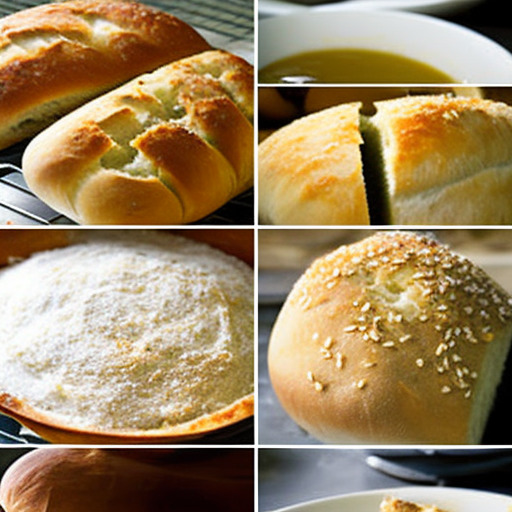
Easy Bread Recipe: A Guide to Making Bread from Scratch
There is nothing quite like the smell of freshly baked bread wafting through the house. The taste and texture of homemade bread cannot be beaten by store-bought bread. Once you learn how to make your own, you will never go back to buying it. In this guide, we will provide you with an easy bread recipe that anyone can follow and some tips and tricks to ensure that your bread always comes out perfect.
Why Homemade Bread is Better Than Store-Bought Bread
Store-bought bread is often loaded with preservatives, chemicals, and additives that not only affect the flavor but also your health. Moreover, store-bought bread is often more expensive than making it from scratch. On the other hand, homemade bread is made with fresh ingredients, tastes better, and has a satisfying texture.
Benefits of Making Bread from Scratch
- You know exactly what is going into your bread.
- You can customize the flavors and texture according to your preferences.
- Making bread from scratch is often less expensive than buying it from a store.
- Baking bread can be a relaxing and satisfying activity.
Brief Overview of the Process and the Ingredients Needed
Bread making requires only a few basic ingredients: flour, yeast, water, salt, and sometimes sugar or oil. Mixing these ingredients together forms a dough that needs to be kneaded until the gluten proteins in the flour develop enough to create an elastic dough. This process typically takes between 8-10 minutes of kneading by hand or about 5 minutes in a stand mixer. After kneading, the dough needs time to rest so that it can rise and become light and airy. Lastly, the dough is shaped and baked in a preheated oven.
Ingredients
The following list of ingredients constitutes the recipe for our easy bread recipe.
- 3 cups all-purpose flour
- 1 teaspoon instant yeast
- 1 teaspoon salt
- 1 1/4 cups warm water (approximately 105-110°F)
Description of each Ingredient and its Purpose
- Flour: Flour is the main ingredient in any bread recipe and provides structure to the bread. All-purpose flour is versatile and readily available.
- Instant yeast: Yeast is a living organism that ferments the sugars in the flour, which releases carbon dioxide gas causing the bread to rise. Instant yeast is ideal for this recipe because it dissolves quickly in liquid, unlike active-dry yeast, which needs to be activated with warm water or milk first.
- Salt: Salt enhances flavor, slows down fermentation, and strengthens the dough structure. Do not omit it from your recipe.
- Water: Water is used to hydrate the flour creating gluten that gives bread its texture. The temperature of the water should be between 105-110°F. If it’s too hot or too cold, it can kill the yeast cells.
Possible Substitutions for Certain Ingredients
You can always substitute some ingredients if you want to switch things up or are simply running low on certain ingredients.
- Bread Flour: If you desire a chewier texture, you can substitute bread flour for some or all of the all-purpose flour listed in the recipe.
- Honey or Sugar: A teaspoon of honey or sugar can add flavor and color to your bread. However, it is not recommended to use more than one tablespoon for this recipe.
- Olive Oil: Adding olive oil to the dough will make it softer and tenderer and give it a slightly different flavor. You can add about two tablespoons of olive oil to this bread recipe.
Equipment
For making bread from scratch, we recommend that you have a few essential tools on hand.
- Bowl: You will need a large mixing bowl to combine and knead all your ingredients together.
- Measuring cups and spoons: For accuracy, you will need measuring cups and spoons to measure out the ingredients needed for this recipe.
- Dough scraper: This tool helps to scrape any leftover dough stuck on the mixing bowl and surface while kneading.
- Bread loaf pan: A loaf pan is used for shaping dough into a rectangular shape before baking.
- Baking sheet: It is used for baking bread if you prefer a free-form shape, such as baguettes or rolls.
Brief Explanation of Each Tool and its Purpose
- Mixing bowl: This bowl is used for preparing and mixing ingredients together until they form a smooth dough.
- Measuring cups and spoons: These cups and spoons are used to measure out the ingredients accurately.
- Dough scraper: The dough scraper is a flat tool that scrapes off any residual dough kneaded to avoid wastage.
- Bread loaf pan: This pan is used for shaping bread into a well-defined rectangular loaf for baking.
- Baking sheet: A baking sheet can hold different forms of dough shaped for various bread shapes.
Possible Alternatives to Specific Tools
If you don’t have the equipment listed above, you can use common substitutes found in your kitchen.
- Mixing bowl (alternatives): You can use any large bowl you have on hand, such as Tupperware or stainless steel bowls.
- Dough scraper (alternatives): A spatula or your bare hands could do the trick if you do not have a dedicated dough scraper.
- Bread loaf pan (alternatives): If you don’t have loaf pans, you can use cake tins or regular baking sheets to shape your dough into whatever form you like.
Preparation
Preparing the Dough
To make the dough:
- In a large mixing bowl, stir together all-purpose flour, instant yeast, and salt.
- Add warm water slowly to the dry mixture, stirring continuously until everything comes together into a rough ball shape.
- Knead the dough on a floured surface for eight to ten minutes until it becomes smooth and elastic.
At this point, the dough may still be a little moist to the touch, but this is okay. Do not worry about making it too dry, or else the bread will become tough and chewy.
Shaping the Dough
Let’s get ready to shape your bread using the following steps.
- Dust your working surface with flour.
- Pull the dough out of the bowl and knead a couple of times before giving it its desired shape.
- If you are making a rectangular loaf, roll out the dough into a rectangle shape that fits into a standard-sized bread loaf pan. Place the dough in the greased pan, smooth side up.
- If you don’t have a bread loaf pan, you can shape it into other free-flowing shapes such as baguettes or rolls. Cut or divide the dough into smaller portions and then shape them according to your desires.
Proofing and Baking
Here are the last few steps to take before baking your bread:
- Cover the shaped dough with a clean kitchen towel. Let it rise for about an hour or until approximately doubled in size.
- Preheat your oven to 350°F while allowing the dough to proof.
- Bake in preheated oven for 30-35 minutes (depending on your oven) until golden brown.
Tips for Success
Baking bread can be tricky at first, but with time and practice, it becomes easier. Here are some tips to help you make the perfect bread:
- Read the recipe carefully before starting.
- Make sure you have all the necessary ingredients and tools so that you don’t have to go back to the store mid-recipe.
- Always weigh your ingredients on a scale as measuring with cups can vary and lead to inconsistency.
- Knead the dough until it becomes smooth and elastic. This ensures that it develops enough gluten and gives your bread structure.
- Allow the dough to rise in a warm place. Cold environments will slow down the fermentation process, taking longer to develop flavor and texture.
Storage and Preservation Techniques
If you happen to bake more bread than you need, here are ways to store them for future consumption.
- At room temperature: Store bread at room temperature inside a breadbox or paper bag. A plastic container can also work but risk your bread getting soggy, chewy or moldy.
- In Refrigerator: Store bread wrapped in plastic or sealed in an airtight container in the fridge for up to five days.
- In The Freezer: You can freeze homemade bread by loosely wrapping it with plastic wrap on its own or inside freezer bags. It will last up to three months. Thaw the frozen bread directly at room temperature, then reheat it gently in a preheated oven for about ten minutes at 350°F.
Recipe Variations
You can change things up by adding different flavors and textures to your easy bread recipe, such as nuts, herbs, or fruit. Here are some variations:
- Cheese and Herb Bread: Add some fresh chopped herbs (basil, thyme, or rosemary) and grated cheddar to your bread recipe.
- Cinnamon and Raisin Bread: Mix cinnamon powder and raisins with the flour mixture before adding water.
- Olive Bread: Add chopped olives to the dough. You can use green or black olives. It adds a salty and tangy flavor to the bread.
Conclusion
Baking homemade bread is a simple process that can yield delicious results. With the right ingredients, tools, technique, and a bit of patience, anyone can make their own bread from scratch. This easy bread recipe has proven easy for any beginner wanting to get started. Remember to follow the instructions carefully, and you will have warm loaves of freshly baked bread in no time.
Frequently Asked Questions about Easy Bread Recipe
1. What is an easy bread recipe?
An easy bread recipe is a simple recipe that can be made by anyone regardless of their experience in baking. The ingredients used in this recipe are readily available in any local store, and the instructions are clear and straightforward.
2. Can I make bread without a stand mixer or bread machine?
Yes, you can make bread without a stand mixer or a bread machine. All you need is a mixing bowl, a wooden spoon, and a bit of elbow grease to knead the dough.
3. Do I need special equipment to make easy bread?
No, you don’t need any special equipment to make easy bread. A mixing bowl, measuring cups and spoons, and a baking pan are all you need.
4. How long does it take to make easy bread?
The total time required to make easy bread varies from recipe to recipe. However, the preparation time usually takes 10-15 minutes, followed by another 30-60 minutes for rising, depending on the type of bread.
5. Can I freeze easy bread?
Yes, you can freeze easy bread. Once baked and cooled, wrap the loaf tightly in plastic wrap and place it in an airtight container or freezer bag. It will stay fresh for up to three months.
6. Can I substitute ingredients in an easy bread recipe?
Yes, you can substitute some ingredients in an easy bread recipe; however, it may affect the texture and flavor of the final product. For example, you can replace white flour with whole wheat flour or change the type of sugar used in the recipe.
7. How do I know when my bread is done?
You can check if your bread is done by tapping it with your fingers. If it sounds hollow, then it’s done. You can also use a cooking thermometer to test the bread’s internal temperature; it should be around 190-200 degrees Fahrenheit.
Conclusion:
Easy bread recipes are simple and straightforward to make, requiring only a few basic ingredients and equipment to produce a delicious homemade loaf of bread. By following the above FAQs, you can become a master at baking easy bread recipes in no time!