jambalaya recipe
The Ultimate Guide to Jambalaya Recipe
Jambalaya is a popular dish in Louisiana, especially in New Orleans, and has become a staple all around the United States. This one-pot meal is perfect for any occasion from dinner parties to casual family meals. Its versatility makes it an ideal choice since you can customize it according to your taste buds. Whether you are trying it for the first time or want to perfect your recipe, this guide will give you everything you need to know about making Jambalaya.
Introduction
Jambalaya is a rice-based dish that originated from Louisiana, with different variations existing throughout the state. It’s a melting pot of Afro-Caribbean, French, and Spanish elements that makes the flavors unique and distinguished.
The dish was created by French and Spanish colonialists who used local ingredients to make something that was delicious, but also easy to prepare in large quantities. They often used rice as the base and a variety of meats, vegetables, and spices to make this flavorful dish.
Over time, Jambalaya has become more widely popular because of its uniqueness, simplicity of preparation, and versatility in terms of ingredients used making it perfect for anyone regardless of their preferences. Making this dish at home is worth attempting as it is much cheaper than eating out at restaurants and can be a fun group activity.
Types of Jambalaya
- Creole Jambalaya
- Meat: Chicken, Andouille Sausage, Tasso Ham
- Rice: Long Grain Rice
- Vegetables: Onion, Bell Pepper, Celery garlic, tomatoes
- Seasoning: Thyme, Oregano, Bay Leaves, Cayenne Pepper and Paprika
- Cook your rice in advance to prevent it from overcooking.
- Brown your meat well to give it a nice crust.
- Dry any excess water off your vegetables to prevent them from making too much watery gravy.
- Let the jambalaya sit covered on low heat after all ingredients are added to allow flavors to meld for at least 10-15 minutes before serving.
- Cajun Jambalaya
- Meat: Chicken, Andouille Sausage, Tasso Ham
- Rice: Brown Rice
- Vegetables: Onion, Bell Pepper, Celery
- Seasonings: Garlic Powder, Parsley Flakes and Red Pepper Flakes
- Spend some time on cutting chicken into small sized chunks to ensure it cooks quickly.
- Browning of your protein well over medium-high heat is important as it gives the dish its rich dark color.
- Due to caramelization effect that occurs with this method of cooking, Do not overcrowd your skillet
- Use brown rice instead to give it a nutty and chewier texture.
- Other Variations of Jambalaya
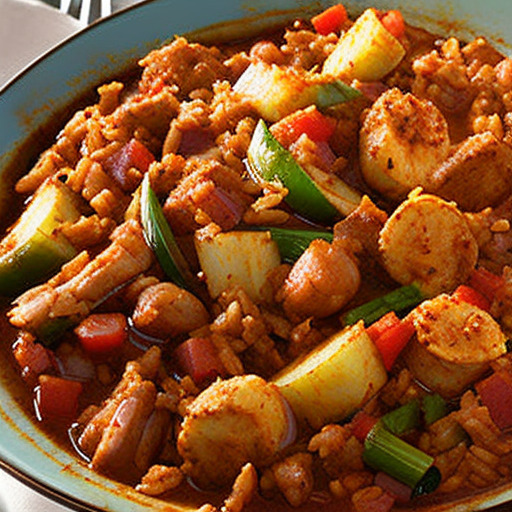
Creole Jambalaya originated in New Orleans and typically consists of tomatoes, chicken, sausage or ham, bell peppers, celery, onions and spices including thyme and oregano mixed with long-grain rice. This version is known for its reddish color and tomato-based gravy consistency.
-
Ingredients:
To make creole jambalaya, sausage is browned in a big skillet to create a flavor base. The meats are then removed from the skillet and vegetables are browned until they become soft in the same skillet. At this point garlic is then added to browned vegetables before then poured into tomatoes liquid as well as other seasoning such as on bay leaves , thyme and oregano. The chicken is then returned to the vegetable mixture until it becomes fully cooked before further addition of rice along with broth, then cooked until it collectively absorb all of the flavors by letting the ingredients cook together for about an hour.
Tips and Tricks for Making Perfect Creole Jambalaya:
Cajun Jambalaya usually does not contain tomatoes and is typically made with brown rice in southwest Louisiana. It has a more smoky flavor and a darker appearance than its Creole counterpart. It usually consists of poultry, smoked sausage or andouille, fresh or smoked pork sausage, or tasso ham paired with trinity veggies such as onions, bell peppers, celery and also spices such as garlic, parsley, and red pepper flakes.
-
Ingredients:
To make Cajun jambalaya at home, first sauté meat in a large skillet until browned safely remove broth or any boil-over residue. Veggies are then added to the skillet to cook until softened before being added with rice mixture. Water or broth is later poured into this mixture before seasoning it with appropriate aromatic seasoning like Bay leaves and salt .Cooking until all liquid is absorbed by the rice and allowing it to sit for several minute before serving.
Tips and Tricks for Making Perfect Cajun Jambalaya:
There exist numerous variations depending on what part of the state you travel to. Some popular variations include seafood jambalaya, which usually consists of shrimp, crab, and oysters. Other versions include veggie jambalaya, which is a vegetarian-friendly version containing a mix of veggies and tofu as substitutes for meat options. Others include green Jambalayas, white Jambalaya, and poultry Jambalaya base with turkey instead of chicken or ham.
Ingredients for Making Jambalaya
The ingredients used can make or break the recipe, so choosing them aptly becomes of utmost importance. Here’s what you will need
- Meat options:
- Rice selection:
- Vegetables:
- Stock/ Broth base:
- Spices/ Seasonings:
Common meat options include chicken, Andouille sausage( a slightly smoky sausage ), Tasso Ham( dry-cured pork shoulder), fresh or smoked pork sausage mixed in varying proportions. You can also add crabmeat, oysters or shrimp to enhance flavor.
You can select either white rice or brown rice depending on your preference but ensure the rice brands are long grain.
.
The Holy Trinity vegetables and tomatoes are commonly found in Creole jambalaya whereas Cajun jambalaya leaves out the tomatoes completely; other veggies like okra or green bell peppers can also be added as a matter of choice.
Chicken broth or beef-based stock is commonly used in preparing this dish; cooking liquid that can be used include water, Beef or chicken broth, seafood stock.
Common seasonings found in Jambalaya include thyme, oregano, cumin, paprika smoked or sweet , chili flakes and bay leaves which you combine to achieve original Cajun style flavor.
Equipment Needed
Cast iron pots are ideal for making jambalaya as they help to ensure excellent heat distribution. The size of the pot you need depends on the number of servings you want. A five-quart pot can provide up to six servings.
To make this flavorful one-pot meal, you’ll need several utensils for cutting vegetables down to the kind used for mixing in spices into dishes. This includes cutting board and sharp knives make quick work of prepping ingredients before your brown protein mixture, meanwhile spatulas, wooden spoons are ideal for making NOLA’s iconic Cuisine
Cooking Process
Preparing Meat and Veggies :
The first step in making a fantastic Jambalaya is properly preparing all meat and vegetables options by cleaning them thoroughly under running water before methodically cutting them into small bite-size pieces.
.
Sautéing and Browning:
The next step is to create a flavor base by browning your meat over high heat using vegetable oil until golden crispy crust forming on your proteins ensuring that you do not overcrowd them as this will result in steaming instead of browning. After removing meat from skillet, vegetables are then added to the same skillet along with garlic if preferred and cooked until they develop slight wilt/ caramelization.
Adding liquid and Rice :
The next step involves adding your preferred liquids like broth and canned tomatoes to deglaze your skillet scraping any bits left at the bottom of skillet. Then adding rice grains into the mixture and carefully mixing it into already Sauteed veggies. At this point, cooking heat is brought down to low medium allowing it to slowly simmer for about 20-30 minutes uncovered stirring occasionally until the liquid has been absorbed; covering at this point then switching off heat for the final few minutes can help achieve proper softness of the grains.
- Involve everyone in preparing this dish- jambalaya requires a lot of chopping hence making good company in the kitchen.
- Use long-grain rice that’s easy to cook and remains fluffy when cooked.
- Tasting often: This helps know when to adjust seasonings or add more liquids
- Cook using high-quality pots preferable cast iron ones that distribute heat evenly across all ingredients.
Serving Suggestions and Ideas
Whether you are serving family or friends, Jambalaya is a fantastic one-pot meal that can be accompanied by many side dishes. Some popular accompaniments include crusty bread, collard greens, fresh green salad with bacon crumbles, or a cauliflower salad with lemon juice dressing. Garnishing styles include topping with chopped fresh parsley, green onion slices, or even crispy bacon bits.
FAQs about Making Jambalaya at Home
The most common mistakes people make when preparing Jambalaya include using too much liquid, under-seasoning, using the wrong type of rice, and overcooking the meat.
The type of protein used and the stock/broth base play a big role in the flavoring of your dish as they are responsible for providing its distinctive undertone flavor, which is either spicy or smoky.
.
You can adjust the heat of the dish according to your preference. Add more Cajun spices if you like it spicier; add less if you are spice intolerant.
Conclusion
In conclusion enjoying fabulous homemade jambalayas made following this guide is worth trying as it’s one pot that brings together an explosion of spices that come from its rich history with every ingredient becoming one as it prepares to perfection. The best thing about this dish is that it provides many options by making ever-changing versions perfect according to your preferences and ingredients available to you!
As Victor Hugo once said ” Life is a flower of which love is still honey.” Exploring new dishes and experimenting with them acts as the honey adding more life, fun and flavor to it by impressing those around you!.
Frequently Asked Questions About Jambalaya Recipe
1. What Is Jambalaya?
Jambalaya is a popular dish that originated from Louisiana. It is a one-pot meal made with rice, meat, seafood, and veggies. The ingredients are cooked together in one pot, creating a flavorful dish that will leave you with a taste of Southern comfort.
2. What Are The Key Ingredients Needed to Make Jambalaya?
- Rice
- Meat (such as chicken, sausage, or pork)
- Seafood (such as shrimp or crawfish)
- Bell peppers
- Onions
- Celery
- Tomatoes
- Spices (such as paprika, cayenne pepper, and thyme)
3. Can I Make Jambalaya Ahead Of Time?
Yes! Jambalaya tastes even better the next day after it has had time to sit and marinate all the flavors together. You can prep all the ingredients ahead of time and store them in the fridge until ready to cook.
4. How Spicy Should Jambalaya Be?
The level of spiciness of jambalaya can vary depending on personal preference. However, traditionally jambalaya is known to be spicy. To control the spiciness level you can adjust the amount of cayenne pepper used in the recipe.
5. Can I Use Other Types Of Meat And Seafood In Jambalaya?
Yes! One of the great things about jambalaya is that you can customize it based on your tastes and preferences. You can use any meat and seafood you like, such as beef, duck, alligator, or crab.
6. Is Jambalaya Gluten-Free?
It can be gluten-free if you use gluten-free rice or pasta. Some seasoning blends may contain gluten, so it’s important to check the ingredient labels to make sure they are gluten-free.
7. What Is The Best Way To Serve Jambalaya?
Jambalaya can be served as a main dish on its own or with a side salad or vegetables. It’s also great for serving at potlucks or parties as it can be easily doubled or tripled to feed a crowd.