chili recipe
The Ultimate Guide to Making Delicious Chili at Home
Introduction
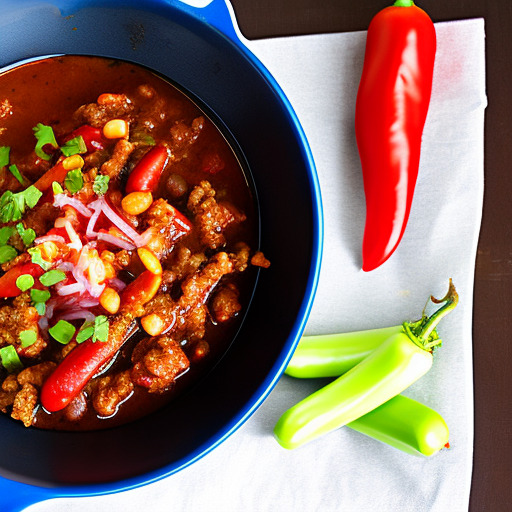
Chili is a popular comfort food enjoyed by millions of people worldwide. Its perfect combination of meat, spices, and other ingredients make it a hearty, flavorful dish that warms you up from the inside out. In this article, we will explore the essential ingredients and techniques on how to make the best chili at home.
Chili has been around for centuries and originated from different regions of the world. Its origins trace back to the Southwestern United States in the late 19th century, but its roots go deeper with Native American and Spanish influences. Whichever origin story you choose, chili has become an American staple.
Ingredients
The first step in making great chili is selecting quality ingredients. Here are some essential ingredients required for a classic chili recipe:
- Meat - beef is the traditional option, but chicken, turkey, vegetarian/vegan options can be used too
- Tomatoes - canned whole or diced tomatoes work well and offer flavor and texture
- Beans - kidney beans are a classic option but also consider black beans, navy beans, or pinto beans
- Onions - yellow onions are ideal for chili due to their sweetness and mild flavor
- Bell Peppers - green bell peppers provide balanced bitterness and earthiness.
- Cumin, Chili powder & paprika
- Salt & pepper for seasoning
- Cayenne pepper - optional for extra spice level
- Brown sugar - optional for sweetness
- The quality of the meat is crucial, consider opting for grass-fed beef or organic chicken.
- Choose tomatoes that are firm and free from any bruises or soft spots.
- Fresh veggies are ideal, but frozen vegetables can also work well. If using canned vegetables, drain and rinse them to eliminate excess sodium before use.
- Cut and Clean: Carefully clean all vegetables used in the recipe; they should be diced evenly or chopped in cubes no larger than a quarter-inch.
- Cooking: Brown ground beef, then drain any excess fat before adding it to the other ingredients in your pot. For chunky meats like steak strips or pork chops, slice into small pieces.
- Storage: Store any unused vegetables in an airtight container in the refrigerator. Freeze extra meat portions to cook at a later time.
- In a large Dutch oven or stock pot, brown the meat on medium heat, breaking it into small pieces until it’s cooked through.
- Add chopped onions, bell peppers to the meat mixture until tender.
- Sprinkle cumin, paprika & chili powder and other spice blends into the mixture. Stir gently to release fragrance from the spices.
- Add tomatoes (use whole canned or diced tomatoes), kidney beans (or any bean of choice), salt & pepper and stir well.
- Simmer for 30 minutes, stirring occasionally to prevent burning, and adjust the thickness of the chili with water or broth.
- Lastly, add a teaspoon of brown sugar to balance the flavor. Taste and adjust the seasoning as needed.
- For rich flavor and to thicken chili, let it simmer for a few hours until it reaches your preferred consistency
- If using whole canned tomatoes, crush them with a spoon or potato masher before adding them to your pot.
- Brown chorizo sausage in a large pot on medium heat for five minutes
- Add diced onions & garlic and let cook for two minutes.
- Add in one can of kidney beans, one can of black beans (drained), one can of diced tomato (undrained).
- Fold in corn, cumin, chili powder and have it simmered for an hour.
- Stir in shredded cheese during the last ten minutes
- This Tex-Mex style recipe is quick and flavorful while keeping its heat level down.
- In a large Dutch oven or stock pot, cook diced shallots (or onions) with spoonfuls of minced garlic cloves until tender.
- Add in the diced chicken breasts and cook until both sides are browned.
- Stir in white beans, green chilies & jalapeño peppers.
- Next, add vegetable broth and seasonings such as chili powder, cumin, salt, & pepper. Let simmer on low heat for an hour.
- Serve hot with diced avocado, or shredded cheese on top, just before serving
- This recipe embraces the tradition of a creamy-based soup versus traditional red tomato chili.
- In a dutch oven or stockpot, sauté onions, celery, & carrots until tender. Add minced garlic and vegan meat crumbles or cooked lentils for protein replacement.
- Add canned crushed tomatoes with juice, vegetable broth and flavor options (chili powder,
cumin, oregano). Stirring gently until it comes to boiling. - Finally, add two cans of rinsed black beans or pinto beans; let it simmer for additional ten minutes with occasional stirring until thickened. Salt and pepper.
- This recipe has excellent texture and full of spice. The vegan meat crumbles can be replaced with more cooked lentils for additional protein
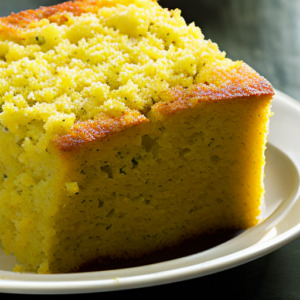
- Cornbread
- Rice
- Coleslaw
- Salad
- Beer (IPA, Brown Ale) or a glass of wine.
- A cold IPA is an ideal beer pairing with spicy hot chili! For those who prefer wine, red and white wine matches well with hearty soups like chili. Cheeseboards are also another great option for pairing!
- Allow the chili to cool first before storing it in an airtight container.
- Keep it refrigerated for up to four days or frozen for up to three months.
- To reheat frozen chili, let it thaw overnight in the fridge then rewarm in a saucepan on medium heat until heated through.
- To prevent spoilage or bacteria growth, discard any leftover that remains longer than four days at maximum in the fridge area.
- Altering the test of the chili by overcooking or undercooking meat and vegetables.
- Avoid under-seasoning your chili, as that could make it bland. You can check the seasoning after it simmers for half an hour and adjust as needed.
- Avoid adding liquids too soon or late, making chili too thick or watery.
- Use the right thickness level of chili paste, flour, cornstarch, or masa harina as a thickening agent.
- Prep all ingredients before starting to cook this will ensure that everything flows smoothly during the cooking process.
- The antioxidants found in chili’s primary spices (cumin and paprika) offer standout anti-inflammatory properties against chronic diseases like cancer.
- It’s full of vitamin C and has an impressive array of other beneficial nutrients such as iron, riboflavin, and potassium.
- When making chili, the best meat to use is ground beef.
- The most common beans for chili are kidney beans, but you could also use black beans and pinto beans.
- You can use both fresh and canned ingredients.
- Adding sugar is not necessary but to balance a spicy flavor, one teaspoon can be added
- Leftover chili could be frozen up to 3 months.
- To make it less spicy, add more meat, beans, vegetables, or sour cream/honey to balance it out.
- You can make your chili recipe vegan by using plant-based meat substitutes or veggies and vegetable broth.
Tips:
Preparing the Meat and Vegetables
The next important step is preparing the meat and veggies for your chili recipe to ensure optimal consistency. Here are the tips for prepping your ingredients:
Making Chili from Scratch
Now onto making chili! Here’s how you make a classic chili recipe:
Tips:
Alternative Chili Recipes
There are so many varieties of chili recipes that you can experiment with; here are some popular variations:
Tex-Mex Style Chili Recipe
This recipe uses cumin and chorizo in place of traditional chili spices, giving your chili a more notable Mexican influence.
Tips:
White Chicken Chili Recipe
This recipe is perfect for those who prefer a spicier soup along with a tangy and zesty flavor.
Tips:
Vegan/Vegetarian Chili Recipe
This recipe replaces meat with vegan meat crumbles, lentils and beans to keep it hearty and delicious.
Tips:
Meal Pairing Options
A variety of side dishes pairs well with chili; here are some suggested meal options:
Tips:
Chili Leftovers and Storage
To keep leftover chili fresh, always store them correctly in the refrigerator or freezer.
Tips:
Tips to Make Perfect Chili Every Time
Here are some tips on how to avoid common mistakes while making the perfect chili:
Health Benefits of Eating Chili
Chili has numerous health benefits you need to know about.
Origin Stories of Chili
In conclusion, we reviewed information on creating delicious chili at home using distinct recipes while offering nutritional benefits. Let’s go over the origin stories!
Chili origins stretch back through centuries with different accounts; historians hypothesize that Spanish conquistadors and explorers introduced peppers into what is now known as Texas and helped influence Native American tribes on stews, which eventually became modern-day chili.
Others suggest that Mojave Indians were the first to dry chilies to create “chili caribe” (a combination of chilies and salt), long before any European immigrants arrived in North America.
Ultimately the history is still being unfold-etched around this iconic ingredient combination which is no doubt a beloved food across the world. So gather some friends and prepare delicious chili tonight!
Frequently Asked Questions about Chili Recipe
1. What is the best type of meat to use in a chili recipe?
The best meat for making chili is ground beef. Other meats like diced beef, pork, chicken or turkey could also be used but ground beef is the most commonly used meat for making chili.
2. Which beans are the best to use in a chili recipe?
The most common beans used in chili recipes are kidney beans, but black beans and pinto beans are also great choices. You can either use canned or dried beans, depending on your preference.
3. Do I have to use fresh ingredients or can I use canned ingredients?
You can use both fresh and canned ingredients depending on your preference. Using fresh ingredients will provide you with a fresher taste while canned ingredients could save you time in preparation.
4. Should I add sugar to my chili recipe?
No, adding sugar is not necessary when making chili recipe. However, if you find it too spicy, you can add a teaspoon of sugar to balance the flavors.
5. Can I freeze leftover chili?
Yes, you can freeze leftover chili. Simply let it cool down before portioning it into freezer containers or plastic bags. It will last for up to 3 months in the freezer.
6. How can I make my chili recipe less spicy?
If your chili turns out too spicy for your liking, try adding more meat, beans or vegetables. You can also add a little bit of sour cream or drizzle some honey over the top to balance out the spiciness.
7. Can I make my chili recipe vegan?
Yes, vegan chili is possible with the use of plant-based meat substitutes or by using vegetables like sweet potatoes, corn and mushrooms. You can also use vegetable broth instead of meat broth to make it completely plant-based.