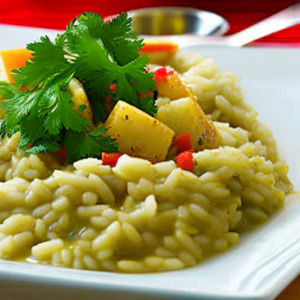
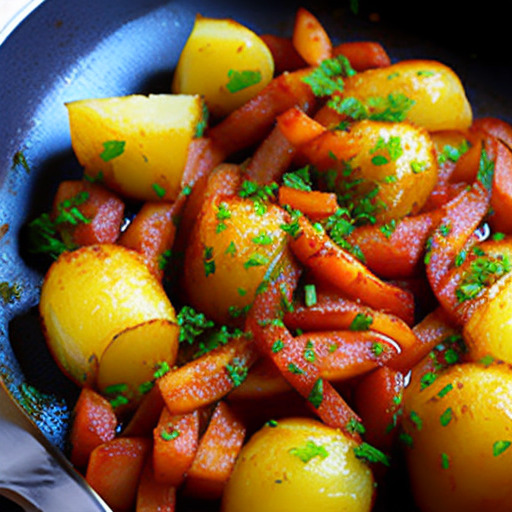
mashed potatoes recipe
Mashed potatoes are one of the most comforting and versatile dishes out there, perfect for pairing with almost any main course or for satisfying late-night cravings. It’s no wonder that mashed potatoes have become a staple food in many households across the world. While you can always buy pre-made mashed potatoes at the store, making them from scratch is easy and much more delicious. In fact, homemade mashed potatoes are so exquisite that they cannot be compared to the store-bought ones. In this article, we will give you a step-by-step guide on how to make perfect fluffy and creamy mashed potatoes.
## Introduction
Before we get started, let’s discuss why making mashed potatoes from scratch is better than buying them precooked from the store. Homemade mashed potatoes not only taste better than the store-bought ones, but they’re also healthier because they don’t contain any preservatives or additives. Additionally, you have control over the texture and ingredients when making them yourself.
To make perfect fluffy and creamy mashed potatoes, it’s essential to select the right type of potato, use high-quality ingredients and follow a specific technique.
## Step-by-Step Instructions to Make Mashed Potatoes
### 1. Choosing the Right Potatoes
The first and most critical step in making excellent mashed potatoes is choosing the right type of potato. Russet or Yukon Gold potatoes work best because they are high in starch and low in moisture. This combination makes them ideal for mashing as they break down easily and absorb other flavors well.
On the other hand, red or new potatoes aren’t suitable for mashing as they don’t break down quickly enough, leading to lumpy mashed potatoes. When selecting Russet or Yukon Gold potatoes, ensure that they are free from blemishes and soft spots.
### 2. Preparing the Potatoes
After selecting your preferred type of potato, it’s time to prepare them for cooking. Rinse the potatoes under cold running water to remove any dirt or impurities. Peeling is optional, but it’s always recommended to peel them to avoid bitter-tasting mashed potatoes.
Cut the potatoes into even-sized chunks (about 1-2 inches) to ensure they cook evenly.
### 3. Cooking the Potatoes
The two most common ways of cooking potatoes for mashing are boiling and steaming. For boiling, place the potatoes in a large pot and add enough water (about 1 inch above the potatoes’ surface). Add salt, bring to a boil, then reduce the heat to low and simmer until tender for about 15-20 minutes.
For steaming, place the prepared potatoes in a steamer basket over one inch of boiling water. Cover and let steam for 15-20 minutes or until potatoes are tender.
### 4. Preparing the Ingredients for Seasoning and Texture
Once the potatoes are cooked, drain them well and return them to the pot, ensuring that there’s no moisture left inside. Add butter, cream/milk, salt, pepper, garlic, herbs, or cheese if you’d like. These ingredients will provide flavor and texture to your mashed potatoes.
Remember that adding too much or too little of any ingredient can lead to lumpy or dry mashed potatoes. Experiment with different amounts until you find the perfect blend that suits your taste buds.
### 5. Making Mashed Potatoes
With all your ingredients ready, it’s time to begin mashing. The easiest way is by using a potato masher or hand mixer, but be careful not to mash them excessively as they could become gluey. A fork can also do just fine if you want a more rustic texture.
Start by mashing the potatoes roughly before incorporating the other ingredients sparingly as you continue mixing while paying attention not to overmix.
Once everything is well blended, taste your mashed potatoes and adjust the seasoning accordingly. They should be smooth, fluffy, and creamy.
### 6. Serving Options
Mashed potatoes are incredibly versatile and can be served in various ways. Traditional serving options include topping with gravy or butter, or even mixing them with other sauces. You may also serve them with a protein source such as grilled chicken or roasted beef.
If you’re looking for healthier alternatives to balance your diet, try topping your mashed potato with steamed veggies like carrots, broccoli, or green beans.
## Tips and Tricks for Perfect Mashed Potatoes
- One of the most common mistakes made when mashing potatoes is using too much liquid. Ensure you use just enough liquid to avoid watery mashed potatoes.
- Over-cooking the potatoes will lead to a gluey texture, while undercooking will cause lumps. Follow the recommended cooking time closely.
- For extra flavor, you can add chives or freshly chopped parsley.
- If you want to make vegan mashed potatoes, replace butter and cream/milk with plant-based substitutes like olive oil or non-dairy milk.
- Mashed potatoes can stay fresh for up to three days when refrigerated in an airtight container.
## Conclusion
Making perfect fluffy and creamy mashed potatoes is easy if you follow the right steps. It’s crucial to choose the right type of potato, prepare them correctly, use quality ingredients in the right amounts and follow proper mixing techniques.
Add different flavors such as garlic or cheese to personalize your mashed potatoes. And remember, don’t overmix - less is sometimes more when it comes to making perfect mashed potatoes.
With our guide above, you are now ready to make delicious homemade mashed potatoes from scratch. Enjoy!
Frequently Asked Questions About Mashed Potatoes
What makes a good mashed potato?
A good mashed potato should be creamy, smooth, and buttery. It should also have the right consistency, so it’s not too runny or too lumpy.
- Use Yukon Gold potatoes for a creamier texture
- Don’t overwork the potatoes or they’ll become gummy
- Warm your liquid ingredients before adding them to the potatoes
Can I make mashed potatoes ahead of time?
Absolutely! You can make them up to a day in advance and reheat them on the stove or in the oven.
- To prevent drying out, add extra butter or cream before reheating
- Add cold milk or cream when reheating to achieve the desired consistency
- Cover with foil or plastic wrap before storing in the fridge to prevent skin from forming on top
Can I make mashed potatoes without milk?
Yes, you can use cream, sour cream, or even chicken broth as a dairy-free alternative.
- Replace milk with equal parts of non-dairy milk such as almond milk
- Vegan butter also works well as a substitute for regular butter
- For a tangier taste, try using plain Greek yogurt instead of milk
How can I make mashed potatoes healthier?
You can make mashed potatoes healthier by swapping out some of the ingredients for healthier alternatives.
- Replace butter with olive oil or mashed avocado
- Use skim milk or unsweetened almond milk instead of whole milk or cream
- Add roasted garlic or herbs for extra flavor instead of salt and butter
What are some add-ins to make mashed potatoes more interesting?
You can add many different things to mashed potatoes to mix them up and add some variety.
- Bacon bits or crumbled sausage
- Cheese, such as cheddar or parmesan
- Chives, green onions, or dried herbs like rosemary or thyme
Can I make mashed potatoes without a potato masher?
Yes, you can use a food processor, blender, or even a fork if you don’t have a potato masher.
- Be careful not to over-process your potatoes as it will turn them into gluey messes
- If using a food processor or blender, work in batches and blend briefly until the desired texture is reached.
- If using a fork, take care to mash as thoroughly as possible while avoiding any large chunks.
How do I keep my mashed potatoes from getting cold during dinner?
To keep your mashed potatoes warm while serving dinner:
- Cover the pot with a lid and wrap the outside with towels to keep the heat in
- Pour hot water into a slow cooker and place your potatoes in the slow cooker on the “warm” setting
- Pour your mashed potatoes into an insulated container with a tight-fitting lid that can keep them warm for several hours