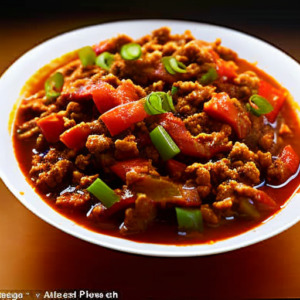
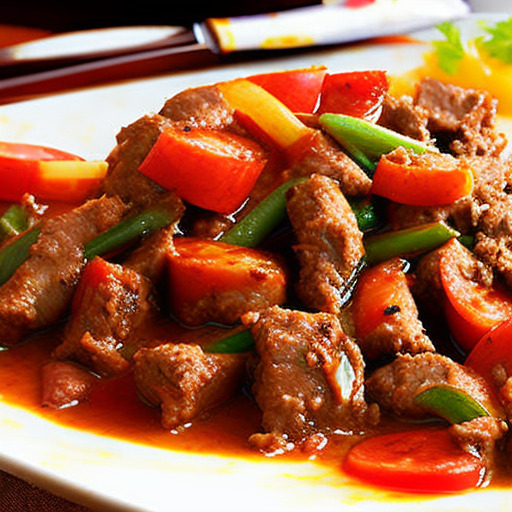
mongolian beef recipe
The Ultimate Guide to Creating Perfect Mongolian Beef: A Step-by-Step Recipe Guide
Mongolian Beef is a dish with a rich history and distinct flavors that have made it popular all over the world. Its unique blend of savory, sweet, and spicy flavors makes it a culinary adventure that anyone can enjoy. With this easy-to-follow recipe, you can create your own perfect Mongolian Beef at home.
Introduction
Mongolian Beef is a popular dish made from sliced beef stir-fried with vegetables and a savory sauce. It’s commonly found in Chinese restaurants around the world but has origins that date back to Mongolia’s nomadic culture. The dish’s history tells of Mongol warriors who cooked thinly sliced beef on their shields while traveling across the Gobi Desert.
Today, Mongolian Beef is a favorite for many people as it combines the flavors of sweet and savory with a kick of spiciness. Many people have started including this dish in their regular meal rotation due to its delicious taste and simplicity.
Ingredients
Creating the perfect Mongolian Beef requires specific ingredients that come together to give the dish its distinct flavor. Here are some of the primary ingredients you will need:
- 1 pound flank steak or skirt steak
- 1 tablespoon vegetable oil
- 1/4 cup cornstarch
- 1/4 cup soy sauce
- 2 tablespoons hoisin sauce
- 2 tablespoons brown sugar
- 1 tablespoon rice wine vinegar
- 2 teaspoons sesame oil
- 1 tablespoon fresh ginger, minced
- 4 garlic cloves, minced
- 1/4 teaspoon red pepper flakes (optional)
- 2 green onions, sliced thinly (optional)
While these ingredients are essential to the recipe, you can also use substitutes or make modifications. For instance, instead of using flank steak, you may use sirloin steak or filet mignon. Also, if you want a spicier dish, you can add more red pepper flakes.
Preparing the Meat
Preparing the beef is critical in creating perfect Mongolian Beef. Here’s how to do it:
Choosing the Right Cut of Beef
The right cut of beef should be sliced thinly and should contain little or no fat. The best cuts of beef are flank steak, skirt steak, sirloin steak, or filet mignon.
Slicing Beef Thinly
There are two great techniques for slicing beef thinly:
Technique 1: Freezing Method
Put the meat in the freezer for about 20 minutes before slicing it. This method makes it easier to cut the beef in thin slices.
Technique 2: Diagonal Slicing Method
Cut the steak diagonally instead of straight down to create longer strips of meat. The best thickness for slicing is around 1/4 inch.
Marinating the Beef
Marinating is an important step in creating Mongolian Beef’s distinct flavor. Follow these steps:
- Cut the beef into thin strips.
- In a bowl or ziplock bag, mix together soy sauce, hoisin sauce, brown sugar, rice wine vinegar, sesame oil, garlic and ginger.
- Place the beef into the mixture and ensure every strip is well-coated.
- Refrigerate the beef and let it marinate for at least 30 minutes preferably for 2 hours. The longer the marination, the better.
Making Mongolian Sauce
Mongolian Beef would not be complete without its distinctive sauce. Here’s how to make it:
Ingredients of Mongolian Sauce
- 1/4 cup soy sauce
- 1/4 cup water or beef broth
- 2 tablespoons hoisin sauce
- 2 tablespoons cornstarch
- 1 tablespoon brown sugar
- 1 tablespoon vegetable oil
- 1 tablespoon fresh ginger, minced
- 4 garlic cloves, minced
- 1/4 teaspoon red pepper flakes (optional)
The Process of Making Mongolian Sauce
- In a bowl, whisk together soy sauce, water or broth, hoisin sauce, cornstarch, and brown sugar until well-combined.
- In a skillet or wok over medium heat, add vegetable oil.
- Saute garlic and ginger until fragrant about one min.
- Pour the soy sauce mixture over the garlic and ginger into the wok or skillet. Stir to incorporate.
- Cook, stirring occasionally until the mixture thickens around two min. Add in red pepper flakes if using them.
- This crispy coating on the beef creates its characteristic texture.
:
Cooking the Beef:
Once you have prepared the meat and made the sauce, it’s time to cook the beef. There are two primary methods of cooking Mongolian Beef: the stir-frying method and the deep-frying method.
Technique 1: Stir-Frying Method
- Heat up a wok or skillet over high heat.
- Add cooking oil into the skillet and let it heat until shimmering.
- Saute garlic and ginger until fragrant, around 1 min
- Add sliced beef and stir-fry for about 3 minutes. The thin slices of meat should turn crispy around the edges and cooked through; ensure the beef has a nice brown coating.
- Toss the sauce into the wok or skillet with the beef. Cook, stirring occasionally for about 2 minutes, or until everything is heated through and well-coated by the sauce.
Technique 2: Deep-Frying Method:
- Heat up enough oil in a heavy pan to shallow fry the beef strips.
- Cut down small batches of coated beef strips to avoid crowding in the pan.
- Fry each piece till they turn golden brown-about three minutes. Remove and place on kitchen paper towels to absorb excess oil
- Pour off remaining oil from the pan, add back crispy beef, pour sauce in and toss quickly until heated through.
Serving Suggestions
Mongolian Beef is best served with steamed rice or noodles. Top with diced green onions if using
. Other side dishes such as stir-fried vegetables or roasted vegetables are great complements to this dish.
Tips For A Great Result
Safety Tips While Cooking with Hot Oil
- Use enough oil to keep the beef submerged.
- Do not overheat the oil; otherwise, it could burn or catch fire.
- The best choice is a stainless-steel pan, as it conducts and maintains heat better than other materials.
Avoiding Common Mistakes
- Don’t overcrowd the pan when cooking the meat. This will create a stew instead of a crispy texture.
- Don’t omit ingredients in the recipe this may alter the dish’s overall taste and texture outcome since all the ingredients work synergistically.
- Avoid over-marinating the beef as this could cause it to be too salty.
Frequently Asked Questions (FAQs)
How Many Calories Are In Mongolian Beef?
One serving of Mongolian beef has about 350 calories, depending on added carb-based sides.
Can I Make It Gluten-Free?
Yes, you can swap out soy sauce for Tamari(fermented gluten-free soy sauce) or coconut aminos for those who are intolerant.
Can I Make Mongolian Beef with Chicken or Tofu?
Yes, you can replace the beef with chicken or tofu to make your vegetarian variant.
Conclusion
Mongolian Beef is a unique dish that combines sweet and savory flavors that will make your taste buds tingle with excitement. The recipe is simple to follow if you have all the necessary ingredients. Regardless of if you stir-fry your beef or fry it, making restaurant-quality Mongolian Beef at home is possible with a little preparation and attention to detail.
7 FAQs for Mongolian Beef Recipe
What is Mongolian beef?
Mongolian beef is a popular Chinese-American dish that originated from the northern regions of China. It comprises thinly sliced beef, garlic, ginger, soy sauce, hoisin sauce, and brown sugar. This savory and tender dish can be served with rice or noodles.
Can I use any type of beef for this recipe?
Yes, you can use any type of beef suitable for stir-frying. However, it is recommended to use flank steak as it is lean and has a nice texture for this recipe. You can also use sirloin, skirt steak, or ribeye if you prefer.
How can I make my Mongolian beef more tender?
- Marinate the beef for at least 30 minutes or overnight before cooking.
- Slice the meat against the grain so that it becomes more tender.
- Cook the meat over high heat in small batches to avoid overcrowding in the pan.
Can I make this recipe less spicy?
Yes, you can adjust the spice level based on your preference. Reduce or omit the red pepper flakes and Szechuan peppercorns to make it less spicy.
Can I substitute hoisin sauce with another ingredient?
Yes, you can use oyster sauce or sweet soy sauce as a substitute for hoisin sauce. However, note that this may affect the taste of the dish.
How do I know when my Mongolian beef is cooked?
- The meat should turn brown and crispy on the edges.
- The sauce should thicken and coat the beef evenly.
- The internal temperature of the meat should reach at least 160°F (71°C).
What garnishes can I add to my Mongolian beef?
- Scallions (green onions) for freshness and crunchiness.
- Sesame seeds for nutty flavor and texture.
- Cilantro for a burst of herbaceousness.