
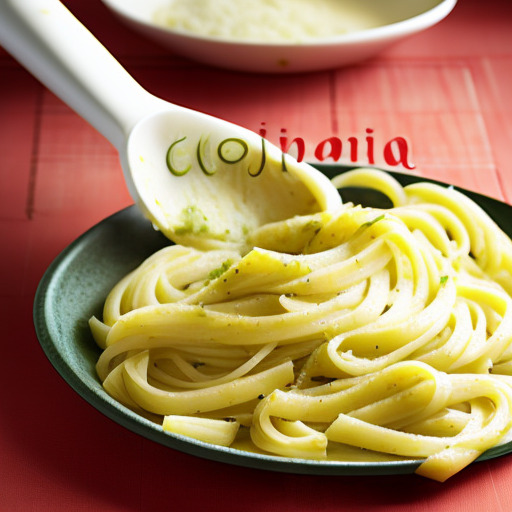
Welcome to The Definitive Guide to Creating Homemade Pasta Dough
Introduction
There’s nothing quite like a plate of fresh, homemade pasta. Making your own pasta dough is a fun and rewarding experience that yields delicious results. In this definitive guide, we’ll explore the different types of flour and equipment needed, the four basic ingredients of pasta dough, traditional vs modern dough preparation methods, ideal mixing techniques, kneading and rolling out techniques, cutting shapes, storing, cooking and adding flavour to your dough. We’ll also tackle other common questions and troubleshooting advice for creating homemade pasta. So let’s dive in.
Understanding The Ingredients
To make homemade pasta dough from scratch, you only need four basic ingredients: flour, eggs, salt, and water. Each ingredient plays a crucial role in achieving the perfect balance of flavor and texture.
Flour
The type of flour you choose is one of the most important factors in making perfect pasta dough. The most commonly used flour for homemade pasta is all-purpose flour which is versatile and easy to find in most grocery stores. However, if you are looking for a more authentic Italian-style pasta you can consider using “OO” flour which is milled finer than all-purpose flour making it easier to work with and providing a smoother texture. Semolina flour is another option. It’s coarser than “OO” flour but produces a chewy and firm texture suitable for certain types of pasta such as those originating from southern Italy.
Eggs
Eggs give your pasta dough its protein content which acts as a binding agent helping to hold the dough together. When selecting eggs for your pasta dough recipe be sure to choose fresh eggs whose yolks have a vibrant orange color that will give your pasta excellent color.
Salt
Salt is used not only for seasoning but also helps to extract the gluten from the flour giving your pasta dough a more pliable texture.
Water
Water is essential for hydrating the dough, and it’s important to use cold water which slows down the protein development, making it less elastic and easier to work with.
Making The Perfect Pasta Dough
Once you have your ingredients, start mixing them together in a bowl using your hands or a standing mixer until they are well combined and form a ball. Knead the dough until it becomes smooth and elastic. When you’re kneading by hand, it may take up to 10 – 15 minutes (less with a standing mixer) and once you’re done, cover the ball of dough in plastic wrap and let it rest for at least 30 minutes before rolling out.
Kneading & Rolling Out The Dough
Kneading your pasta dough until it reaches the right consistency is important in gaining desirable results. You want to be careful not to overwork it; otherwise, you’ll end up with tough pasta! Depending on which method you use - hand or machine - there are different factors to consider.
When rolling out pasta by hand, make sure your rolling pin is firmly pressured on the dough for even thickness. You can recreate different types of pasta shapes like fettuccine or spaghetti easily by using various tools such as a pasta cutter or knife. It’s also important that after shaping your dough into its desired shape that you leave it aside uncovered on top of flour for around half an hour.
When using an electric pasta machine, use the widest setting first while slowly reducing gradually with each new pass until you get your desired thickness. Make sure you generously dust extra flour on each layer so they don’t stick together.
Cutting Pasta Shapes
Cutting your freshly rolled-out dough into different shapes is where the real fun begins. You can use various tools to create spaghetti, fettuccine or lasagne sheets according to your preferences. In cutting your preferred shapes, it’s essential to use the right equipment according to the recipe. Some of the commonly used equipment includes a fluted pastry cutter for ravioli and tortellini or a simple knife to create tagliatelle or linguine.
Storing Pasta Dough
Once you’ve prepared your pasta dough, the next step is storing it properly before cooking it. Make sure you cover the dough with a cling wrap entirely to prevent air from getting in and drying it out. If you’re storing it for less than 24 hours, put it in your refrigerator and take it out around an hour before cooking. But if you prefer a longer shelf life, store it in an airtight container inside the freezer for up to 2 months.
Cooking Your Pasta
When cooking your pasta be sure to follow specific instructions on temperature settings and salt measurements. You should always add enough salt into a pot of water so that it tastes like the ocean but not too much that your pasta ends up too salty! Adding oil into the water will help prevent your noodles from sticking together while boiling but don’t go overboard with this as your pasta may end up greasy and that’ll throw off any flavourful sauces you’d planned on using.
Adding Flavour To Your Pasta Dough
One of the great things about making homemade pasta dough is how easily it can be customized to suit different flavors! There are many ingredients you can add right into your dough including spinach - this gives you healthy greens in every bite - beetroot, squid ink which turns your dough black, eggs, and cheese varieties like parmesan or pecorino romano.
Handcrafting Your Own Flavored Pasta
Getting creative with homemade pasta is a wonderful way to experience newer flavours and combinations. You can add unique textures and colors with different ingredients like truffle oil or turmeric powder and use special techniques like shaping and cutting your pasta into animal shapes, flowers or crinkly edges for more variety.
Troubleshooting Your Dough
Homemade pasta may not always come out perfect but troubleshooting the issues can help salvage the situation. One common problem is the dough being too dry which could stem from a lack of enough water; another issue is the pasta being too sticky which happens when you’ve used too much flour.
Conclusion
Homemade pasta dough is an art and science combined but even for beginners, it’s an exciting process that delivers delicious results. By choosing the right ingredients and following proper techniques, you can create your own personalized dishes. Don’t be afraid to experiment with alternate flavors or incorporate unique shapes to your pasta creations as there’s no one way of making it.
Final Thoughts
So, get yourself in the kitchen and start mixing up that pasta dough! With this definitive guide, you now have all the tips and tricks to create homemade pasta dough like a pro - regardless of prior experience or ability. Making fresh homemade pastas gives a sense of satisfaction often lacking from today’s fast-food world so roll up your sleeves and get started!
Frequently Asked Questions
1. What are the ingredients needed for a basic pasta dough recipe?
The ingredients for a basic pasta dough recipe consist of:
- All-purpose flour
- Eggs
- Water
- Salt
Tip: Make sure to use fresh eggs for a better outcome.
2. How long do I need to knead the dough?
Kneading the dough takes about 10-15 minutes until it becomes smooth and elastic. A well-kneaded dough is essential in achieving perfect homemade pasta.
3. Can I use different types of flour?
Yes, you can use semolina flour or other types of flour depending on the flavor and texture you prefer. Just make sure to adjust the amount of liquid accordingly as different flours absorb liquid differently.
4. Do I need a special machine to make pasta?
No, you do not need a special machine to make pasta. You can roll out the dough by using a rolling pin and then cut it by hand or with a sharp knife. However, if you plan to make pasta regularly, investing in a pasta machine will make the process easier and faster.
5. How long can I store fresh pasta dough?
Fresh pasta dough can be stored in the fridge for up to 2-3 days if tightly wrapped in plastic wrap or stored in an airtight container. It can also be frozen for up to one month.
Note: Make sure to bring the dough back to room temperature before rolling it out.