pound cake recipe
The Ultimate Guide to Making a Delicious Pound Cake
Introduction
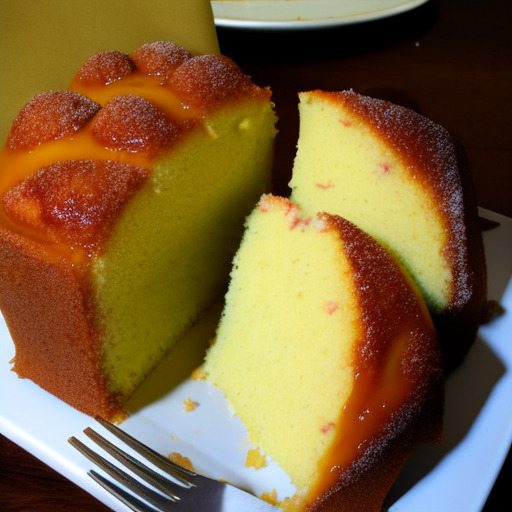
A pound cake is a classic dessert that has been enjoyed by generations. It’s a simple yet delicious cake that is perfect to serve as a birthday cake or for Sunday brunch. The pound cake is named as such because it originally contained one pound of each ingredient: flour, sugar, eggs, and butter. Today, variations of this recipe exist, but the flavor and texture remain the same.
The history of the pound cake dates back to Europe in the 1700s. It was originally known as the “pound pound” cake because it contained one pound each of its four ingredients. Over time, different variations of the recipe started popping up. Ingredients were altered and added to create unique flavors and textures.
Why should you learn how to bake a pound cake? Besides being absolutely delicious, learning how to bake a pound cake will give you an appreciation for baking as an art form. The science behind baking is fascinating, and there’s nothing like seeing your hard work pay off in the form of a beautiful and tasty cake.
Ingredients
To make a traditional pound cake you will need flour, sugar, eggs, and butter. However, there are many variations of this recipe that call for additional ingredients such as vanilla extract or even sour cream.
Essential ingredients and their functions
- Flour: Flour provides structure to the cake and gives it its texture.
- Sugar: Sugar sweetens the cake and helps it brown during baking.
- Eggs: Eggs bind all ingredients together, provide moisture and help the cake rise by trapping air during mixing.
- Butter: Butter adds richness and flavor to the cake.
Alternative ingredients and substitutes
- Sour cream: adds moisture, tanginess and a slight creaminess to the cake. Substitute as much sour cream as butter you will leave out.
- Vegetable oil: substitute for butter one-to-one to keep the cake moist, which will create a light texture but won’t yield the same buttery taste.
- Cream cheese: can replace a part or all of the butter in this recipe. Cream cheese will make it denser and have a slightly tangier flavor than classic vanilla pound cake.
- Cocoa powder: a delicious chocolate variation, Replace 2 tbsp of flour with Unsweetened cocoa powder for a mild chocolate taste or Use up to ¾ cup cocoa powder in place of flour for richer chocolate taste.
Equipment
Making a pound cake requires some basic baking equipment. Having good quality tools makes baking easier and results in better quality cakes. Recommended brands or models may differ depending on your location.
The necessary tools for making a pound cake include:
- Mixing bowls - medium and large size.
- Mixer - whether hand mixer or stand mixer, this is needed to cream together the butter and sugar.
- Spatula or wooden spoon - used to get into corners when stirring, scraping the sides of bowls, and spreading batter in pans
- Bundt pan or loaf pan - to bake your cake into shape
- Baking rack - the circular, metal racks with legs found in every kitchen department.
- Measuring cups and spoons - for precise measurements of all ingredients
Tips for optimal baking results:
- Always preheat your oven to the temperature specified in the recipe
- Coat your baking pan with cooking spray before adding batter to avoid sticking
- Bake on center rack in your oven rungs- more consistent heat distribution.
Preparations
Before diving into making your pound cake, there are a few steps that you need to follow to ensure optimal results. These include preparing the oven and bakeware and of course preparing the ingredients.
Prepping the oven and bakeware:
- Preheat: turn on your oven to at least 350ºF (180ºC).
- Bundt pans: it’s essential to grease Bundt pan generously with butter or cooking spray, use your finger or paintbrush and get into every nook and corner. Let it sit for a couple of minutes until set.
- Loaf pans: Prepare loaf pans by buttering and flouring then tapping out excess flour. This will help release the cake without leaving residues behind.
Preparing the ingredients:
- Measuring: carefully measure out each ingredient using measuring cups or spoons. Be precise with measurements as even slight changes can affect the final product.
- Mixing: Sift all dry ingredients like flour, baking powder together in a bowl. Then in a separate mixing bowl, cream your butter and sugar together. The creaming process is mandatory as it’s the base of the pound cake recipe.
- Sifting: Sifting ensures an even mixture, keeping all lumps of flour, cocoa powder or any dry elements out.
- Creaming: Creaming means beating your cold butter until pale consistency with sugar. Shortly said; beating air into the mixture to get that nice fluffy structure. This step will do the trick for the texture and lightness of your cake.
Basic Pound Cake Recipe
Now that you have prepared your bakeware and ingredients, it’s time to mix them all up. Follow these steps to create a perfect pound cake:
Ingredients:
- 1 cup unsalted butter (room temperature)
- 1¾ cup granulated white sugar
- 4 large eggs (room temperature)
- 2 teaspoons pure vanilla extract
- 2 cups All-Purpose Flour
- 1 teaspoon baking powder
- 1/2 teaspoon baking soda
- 1/4 teaspoon salt (optional)
- 1/2 cup whole milk (room temperature)
Instructions:
- Creaming process:In a large mixing bowl mix butter and sugar with an electric mixer on medium-high speed untill fluffy for ~5 minutes. It should be pale and smooth as silk.
- Add eggs and vanilla: Beat in eggs, one at a time, once each egg is incorporated beat in vanilla extract, briefly combine.
- Add dry ingredients: In a separate bowl sift flour, baking powder and soda, salt. Slowly add dry mixture into your butter-sugar mixture and beat on low speed until the batter forms.
- Add milk: Slowly mix in half a cup of milk until the batter runs smoothly on the whisk.
- Bake: Pour the batter into a greased Bundt or loaf pan. Smooth out the top surface so it bakes evenly bake for 50 – 60 minutes at 350°F (180°C). Place toothpick in to test ready-done cake. It will come out clean if it’s ready.
- Cool: Let the cake sit for about 5 minutes outside the oven before removing from pan and continue cooling on a wire rack before slicing and serving.
Common pitfalls and solutions:
If you find that your cake comes out dry or too dense, here are some tips:
- The butter shouldn’t be too warm; if it is, the cake will have uneven texture or an oily surface. To ensure even mixing, butter should feel cool to touch and “but firm”.
- If over-baked at high temperature than required make sure to adjust recipe next time by reducing cooking time or temperature.
- If under-cooked most probably you need to adjust your oven temperature higher. Or check after first 30-minute mark with toothpick test then adjust accordingly.
Variations on Pound Cake Recipe
Now that you have your basic pound cake recipe down, it’s time to get creative!
Classic Variations
- Lemon: Add lemon zest or extract to the batter for a bright and citrusy flavor.
- Chocolate: Add cocoa powder or chopped chocolate for a rich taste.
- Caramel: Add caramel sauce or swirls in the batter for a unique twist.
- Vanilla: Continuing with the original recipe, but add more vanilla extract (around 1 tbsp) for a stronger scent and taste.
- Almond: Add a teaspoon of almond extract, along with some slivered almonds to add some crunch.
Seasonal Variations
- Holiday fruitcake: Swap half the all-purpose flour in the basic recipe for whole wheat pastry flour. Then add chopped nuts, candied fruit, and shredded coconut like pineapples to get fruity flavor extra dimension.
- Gingerbread spice:Your classic pound cake with ginger, nutmeg, and cinnamon spices for a cozy and festive flavor.
Healthier Versions
- Gluten-free: swapping wheat flour for gluten-free flour improves allergies sufferers an easy way to enjoy baked goods but keep off flours such as wheat, rye, barley that contain protein which may cause allergic reactions.
Cooking spray alone may sometimes stick on gluten-free baking bases so it’s better to use parchment paper underneath. - Low-Fat: reduces calories in your typical pound cake recipe by swapping heavy cream instead of whole milk, and using less butter overall. You can use a low-fat cake mix recipe to replace half of your basic flour measurement too.
Serving, Storing, and Freezing Pound Cake
Once you have baked your perfect pound cake, you will want to take care of it to ensure it stays as fresh as possible.
Presentation tips:
- Icing: Drizzle with icing sugar using fork or spoon to create artistic lines design.
- Fresh fruits: garnish your cake slices with seasonal berries for a pop of color and flavor.
- Whipped cream or whipped cream frosting: yes extra calories too, but no one can deny the silky goodness of whipped cream atop pound cakes.
Storing methods and duration:
- Cool before storing: Allow the cake to cool completely on wire rack before storage after baking and serving .
- Refrigerate: Place the leftovers in an airtight container in the fridge up to two days. Slice before storing, so you can reheat individual portions quickly in the microwave.
- Freeze:The best method is to slice your cold cake into pieces for individual servings wrapped in cling film then place them in a ziplock bag so they don’t stick together then freeze up to four months max.
Baking Tips and Tricks
Baking can be a finicky science, and while we’ve provided an excellent basic recipe for you to start on, there are a few things you should keep in mind during the process to ensure optimal results.
Common problems and troubleshooting:
- Overbaked or undercooked: test the cake with a toothpick 30 minutes into baking, then use a digital thermometer to check if it’s baked when it reaches ~210ºF (99°C).
- Dropping: The cake can sink in the middle because of over mixing (too much air), over-baking (inconsistency in heat distribution) or under-baking the center.
- Burning: If you see that the cake is browning too quickly, tent it loosely with aluminum foil which will slow down the browning process.
Tips for maintaining quality over time:
- Use fresh ingredients: Ingredients older than six months lose potency and could add stale smells avoiding spoiled cake.
- Bake from scratch: Especially with pound cakes, don’t use commercial boxed mixes; stick to homemade recipes for premium tasting cakes.
Expert baker advice for precision baking:
You can find many tips online, but glancing at a few professional bakers indeed won’t demerit your knowledge.
- Rose Levy Beranbaum: Gives her golden tips on making perfect pound cake by beating butter evenly before sugar added, Using only room temperature ingredients for smooth texture, Remove beaters several times while mixing ensuring all is evenly incorporated.
Inspired Pound Cake Recipes from Around the World
While traditional pound cake variations expand- fruitcake and chocolate. Here are some international adaptations for a fresh take on the classic dessert.
Exotic varieties:
- Japanese Matcha Tea Pound Cake: Mix a tablespoon of high-quality matcha powder to your batter, add almond extract and marinade blackberries drizzled onto it afterwards.
- Persimmon Pound Cake:Add in persimmons for juicy sweetness substitutions create a slighty moist texture for an outstandingly unique flavor.
- Cuban Rum and Cigar Pound Cake: Bring in some Caribbean love with spiking sugar with dark Rum, soaking raisins overnight in even more rum and until they’re plump while not overpowering tobacco-like flavors.
International flavors:
- Mexican Tres Leches Pound Cake:Mix condensed milk, evaporated milk, regular milk together to soak a very light airy cake that tastes similar to yellow cake. Then sticky reduced caramel might be layered in between the sponge cake layers before adding cream.
Frequently Asked Questions about Pound Cake-Making
Answers to common inquiries about recipe modifications and substitutions:
- I don’t own loaf pans can I use piece of parchment?use an ovenproof glass pyrex measuring cup filled halfway up with water heated up before sliding parchment paper over it to mold the paper’s shape, lastly wrap tightly
Frequently Asked Questions About Pound Cake Recipe
1. What are the ingredients needed in making a pound cake?
A pound cake requires basic ingredients such as flour, sugar, butter, eggs, and vanilla extract. Other recipes may call for additional ingredients such as milk or cream to add moisture or citrus zest to flavor the cake.
2. Can I use margarine instead of butter?
It is possible to use margarine instead of butter, but it can change the texture and taste of the cake. Butter has a higher fat content, while margarine has more water content, which can result in a less rich and dense cake.
3. How do I prevent my pound cake from becoming dry?
To prevent a dry pound cake, make sure to measure the ingredients accurately and not overbake the cake. Overbaking can cause the cake to lose moisture and become dry. Also, you can add more liquid ingredients such as milk or cream to the batter to add moisture to the cake.
4. Can I substitute all-purpose flour with other types of flour?
You can substitute all-purpose flour with other types of flour such as cake flour or self-rising flour, but it may affect the texture of the cake. All-purpose flour has a higher protein content, which results in a denser texture compared to cake flour that has lower protein content and produces a lighter texture.
5. How long does it take to bake a pound cake?
The baking time for a pound cake usually takes around 1 hour and 15 minutes to 1 hour and 30 minutes at 350°F (180°C). However, this may vary depending on your oven’s temperature accuracy and altitude.
6. Can I add other ingredients such as fruits or nuts to the pound cake batter?
Yes, you can add other ingredients such as chopped fruits like strawberries, blueberries, or nuts like almonds, pecans, or walnuts to the pound cake batter to enhance its flavor and texture. Make sure to mix them evenly into the batter to prevent sinking.
7. How do I store leftover pound cake?
Wrap the leftover pound cake in plastic wrap or parchment paper and store it in an airtight container at room temperature for up to 5 days. You can also freeze the cake by wrapping it tightly in plastic wrap and aluminum foil and storing it in the freezer for up to 3 months. To thaw, leave the cake at room temperature for a few hours or overnight in the refrigerator.