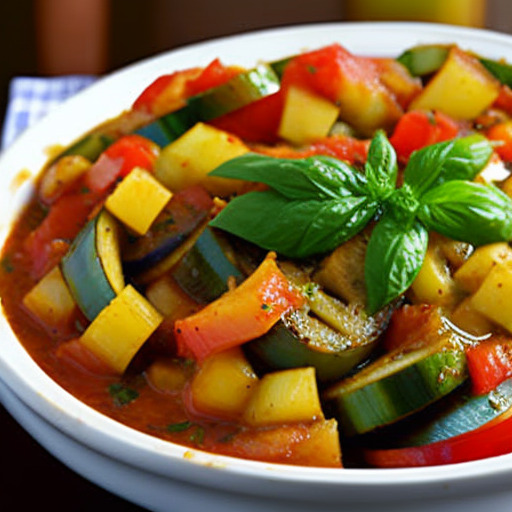
ratatouille recipe
The Ultimate Ratatouille Recipe Guide
Introduction
Ratatouille is a delicious, savory French dish that has become a popular comfort food all over the world. The dish consists of stewed vegetables - typically eggplants, zucchinis, tomatoes, onions, bell peppers and herbs. It’s easy to make and perfect for any occasion, from an intimate dinner party to a large family gathering.
Ratatouille is not only a tasty meal but also packed with vitamins and nutrients as it contains various vegetables. In this guide, you’ll learn how to create the perfect ratatouille dish- starting from selecting ingredients and ending with a mouth-watering presentation.
Ingredients
Before you start cooking ratatouille, it’s important to make sure you have all the ingredients you need. Here’s a list of ingredients:
- 1 large eggplant
- 2 zucchinis (medium-sized)
- 2 red bell peppers (medium-sized)
- 2 yellow or green bell peppers (medium-sized)
- 6 large ripe tomatoes
- 4 cloves garlic
- 1 onion
- Fresh Thyme
- Freshly chopped parsley
- Olive oil
- Salt
- Pepper
Note that wherever possible, try to source your veggies locally and buy them freshly harvested as much as possible.
Preparing the Vegetables
The proper cutting technique can make or break your ratatouille dish. If one vegetable is sliced too thickly or inappropriately, it can throw off the flavor of the entire dish. Here’s how to prepare your veggies properly:
- Eggplant: Cut into bite-sized chunks (1-inch pieces) and sprinkle salt over the pieces, letting them sit for 30 minutes to remove excess water before cooking.
- Zucchini, Bell Peppers, Tomatoes: Cut lengthwise, then slice them into pieces around 1/4 inch thick.
- Garlic and Onions: Finely chop.
Making The Ratatouille Sauce
The trick to making delicious ratatouille sauce is to add each vegetable separately in the right order so that they cook evenly. Here’s an easy-to-follow recipe:
- Heat olive oil in a large skillet over medium heat.
- Add chopped garlic and onion and cook until soft and translucent.
- Add chopped bell peppers and cook till slightly softened (4-5 min).
- Add zucchini to the skillet and let it cook for another few minutes until it begins to soften (3-4 min).
- Add the eggplant and season with salt. Cook until eggplant is soft and browned (12-15 min).
- Finally, add fresh thyme leaves, parsley, chopped tomatoes, salt, pepper. Stir and let simmer over low heat for 20 minutes.
Cooking Methods
There are various methods you can use when cooking your ratatouille stovetop on a pan or a baking dish in an oven. Here are some popular techniques:
- Braising: This method involves browning the vegetables on high heat first before slow-cooking them in a sauce-based liquid. It is a great option if you want to give your ratatouille a more complex flavor and texture.
- Baking: Bake ratatouille in the oven for about 30-40 minutes, allowing the vegetables to cook in their juices. This method is easy, works great if you are making large quantities and yields delicious results!
- Stovetop: Simmer the ratatouille sauce over low heat for up to an hour for rich flavors that will please just about anyone.
- Slow Cooker: Throw all ingredients into a slow cooker on low heat for 5-6 hours, and voila! You’ll have a hearty ratatouille dinner.
Putting it Together
Layering your veggies is essential when creating the perfect ratatouille- it affects both taste and presentation. Here’s how to achieve optimal flavor, texture, and presentation:
- Tightly arrange slices of vegetables in a circular pattern starting from the center of the dish, until it’s full.
- You can customize your ratatouille by adding different kinds or quantities of veggies depending on your preference. However, make sure that you keep onion, zucchini, eggplants, yellow squash as the base and build from there.
Serving Suggestions
Ratatouille pairs well with crusty bread, quinoa and grain-based salads. Here are some suggestions for complementary drinks:
- A glass of red wine
- Iced tea
- Lemon water
You can even get as creative as using leftovers in sandwiches or as toppings on pizza! It’s a versatile dish that works in many different settings.
Storage and Reheating
Ratatouille stores well in the fridge for up to four days, but if you’re looking to keep it longer, store it in the freezer - it can last up to six months. Here are some best storage practices to keep your ratatouille fresh:
- Store in an airtight container
- Refrigerate soon after making- within the hour is recommended
- Don’t contaminate with other foods.
When it comes to reheating, make sure you thaw out frozen ratatouille in advance before reheating. You can either reheat it on the stove or in the microwave until it’s heated through.
Crafting The Perfect Presentation
Presentation is everything when it comes to cooking- and ratatouille is no exception! Here’s how to plate like a pro:
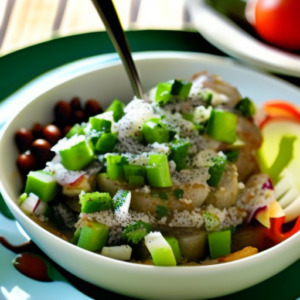
- Spoon the cooked ratatouille evenly into a plate or bowl.
- You can garnish with extra parsley or thyme leaves for presentation.
- An optional garnish of grated parmesan or goat cheese would complement the flavor nicely.
Make sure that the dish is not overcrowded, and that all ingredients are visible. Plate with care and you’ll be sure to impress!
Ratatouille Variations And Substitutions
If you want to get creative with ratatouille, there are endless ways to change it up! Here are some ideas:
- Meats: Add chicken, steak, lamb or seafood for an added protein boost.
- Vegetarian options: Use tofu or tempeh instead of meat.
- Vegan options: Substitute healthy plant-based alternatives such as okra, lentil or chickpea for meat instead;
- Another option is to add some grains or legumes for an added level of nutrition.
Ratatouille Hacks And Tips
Finally, here are some insider tips that could come in handy:
- Leftover ratatouille? Use it in a sandwich, on a tartine, or over quinoa for a quick and easy meal!
- To pair down calories, lessen oil and swap your baking dish for parchment paper (no oils needed)
- If you’re trying to eat gluten-free or low carb use cauliflower rice as a replacement option and enjoy your ratatouille!
Conclusion
Ratatouille is a dish that has stood the test of time and it’s easy to see why! It’s savory, packed with nutrients, versatile and delicious- Suitable for all tastes. And with this guide, you’ll have all you need to create the perfect red vegetable stew from selecting ingredients, preparing the vegetables to putting them together on plating like a chef. Give it a try today- Get creative and share it with family and friends!
Frequently Asked Questions: Ratatouille Recipe
What is ratatouille?
Ratatouille is a traditional French dish made with a combination of vegetables like tomatoes, zucchini, eggplant, onions, bell peppers, and garlic. The vegetables are sautéed in olive oil and seasoned with herbs like thyme and oregano.
Is ratatouille vegan?
Yes, ratatouille is a vegan dish. It is made with only vegetables and does not contain any animal products.
How do I serve ratatouille?
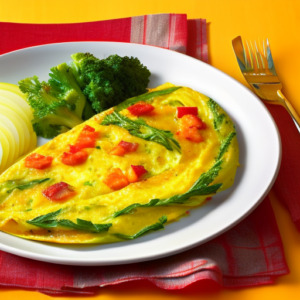
Ratatouille can be served as a side dish or as a main course. It can also be used as a filling for omelets or sandwiches. It pairs well with crusty bread or rice.
Can I make ratatouille ahead of time?
Yes, you can make ratatouille ahead of time. It can be stored in the refrigerator for up to 4 days. You can reheat it in the microwave or on the stove. You may need to add a little bit of water or olive oil to loosen it up.
What are some variations of ratatouille?
- Ratatouille Niçoise: This version includes anchovies, capers, and olives.
- Ratatouille Provençale: This version includes potatoes, cucumbers, and basil.
- Ratatouille Basquaise: This version includes spicy sausage and tomatoes.
Can I freeze ratatouille?
Yes, ratatouille can be frozen. It should be stored in an airtight container and can be kept in the freezer for up to 3 months. Allow it to thaw in the refrigerator overnight before reheating it.
What are some tips for making perfect ratatouille?
- Use fresh, ripe vegetables.
- Cut the vegetables into similar sizes so that they cook evenly.
- Sauté the vegetables in olive oil until they are lightly browned, but still slightly firm.
- Add the tougher vegetables first and cook them for a few minutes before adding the softer vegetables.