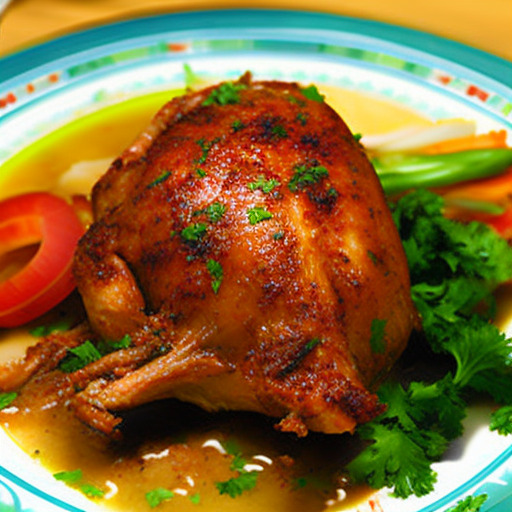
turkey brine recipe
Master the Art of Turkey Brining: A Step-by-Step Recipe Guide for Juicy and Flavorful Turkey
Turkey is a delicious and nutritious meat that serves as the centerpiece of many holiday meals. However, turkey has a reputation for being dry and tough, which can put a damper on your holiday celebrations. Fortunately, there is a simple solution to this problem: brining.
Brining is a process that involves soaking the turkey in a saltwater solution for several hours before cooking. This technique has been used for centuries to enhance the flavor and moisture content of meat, particularly lean poultry like turkey. In this article, we will provide a step-by-step recipe guide to help you master the art of turkey brining and achieve juicy and flavorful results every time.
Understanding Brines
Before we dive into the details of turkey brining, it’s essential to understand what a brine is and how it works. A brine is a saltwater solution that permeates the meat, tenderizing it and adding flavor. There are two types of brines: wet and dry.
A wet brine involves submerging the turkey in a liquid containing salt, sugar, and seasonings like garlic, bay leaves, and rosemary. The turkey then absorbs the flavors and moisture from the liquid through osmosis. On the other hand, a dry brine involves rubbing the turkey with a mixture of salt and seasonings and letting it sit in the fridge for several hours or overnight. The salt draws out moisture from the turkey, forming a concentrated layer of flavor on the surface.
The benefits of brining are twofold: It tenderizes the meat by breaking down tough muscle fibers and adds flavor by infusing it with seasonings.
Preparing Your Turkey for Brining
Before you can start brining your turkey, you need to properly prepare it. Here are some essential tips:
Choose the right size turkey: The rule of thumb is to allow one pound of turkey per person, with an additional pound or two if you want leftovers.
Handle and clean your turkey carefully: Make sure to remove the giblets and neck from the cavity before rinsing the turkey with cold water and patting it dry with paper towels.
Weigh your turkey: Knowing your turkey’s weight is critical in determining how much brine you will need to prepare.
Wet Brine Recipe
Here is a step-by-step recipe for a wet brine that will infuse your turkey with flavor and moisture:
Ingredients:
- 1 gallon of cold water
- 1 cup of kosher salt
- ½ cup of brown sugar
- 2 bay leaves
- 2 sprigs of rosemary
- 2-3 garlic cloves, crushed
- 1 tablespoon of black peppercorns
Instructions:
- In a large pot, combine all ingredients and stir until the salt and sugar dissolve.
- Cool the brine by adding ice or refrigerating it until it reaches room temperature.
- Carefully submerge the turkey in the brine, making sure it is fully covered. You may need to use a food-safe plastic bag or container to hold the turkey.
- Refrigerate for at least 12 hours (up to 24 hours for larger turkeys).
- Rinse the turkey with cold water and pat dry before cooking.
When handling raw poultry, safety is paramount. Make sure to thoroughly clean all utensils and surfaces that come into contact with the turkey, and wash your hands frequently.
Dry Brine Recipe
If you prefer a dry rub, here is a simple recipe that will yield delicious results:
Ingredients:
- 1 tablespoon of kosher salt per 5 pounds of turkey
- 1 teaspoon of black pepper
- 1 teaspoon of dried rosemary
- 1 teaspoon of dried thyme
- 2-3 garlic cloves, minced
Instructions:
- In a small bowl, mix together the salt, black pepper, rosemary, thyme, and garlic.
- Pat the turkey dry with paper towels and sprinkle the dry rub all over the surface of the bird, making sure to coat it evenly.
- Cover the turkey with plastic wrap and refrigerate for at least 12 hours (up to 24 hours for larger turkeys).
- Rinse the turkey with cold water and pat dry before cooking.
Differences Between Wet and Dry Brines
Whether you choose a wet or dry brine depends on personal preference and circumstance. A wet brine is ideal if you want to infuse highly seasoned flavors deep into your meat while keeping it moist during cooking. In contrast, a dry brine is more straightforward and less messy than a wet brine while still providing that concentrated flavor. If you’re short on time or space in your fridge, then a dry brine might be the way to go.
Common Brine Additions
While salt is the primary ingredient in any brine, there are many additional ingredients you can use to add flavor. Here are some common additives to try:
Sweeteners: Brown sugar, honey, maple syrup, molasses.
Acids: Apple cider vinegar, lemon juice, white wine vinegar, wine.
Spices: Garlic, bay leaves, rosemary, thyme, sage.
Other ingredients: Soy sauce, Worcestershire sauce.
Feel free to experiment with different combinations of flavors to see what works best for your taste buds.
Brining Equipment
Here is a list of essential equipment you’ll need for brining:
Containers: Food-grade plastic bags or containers to hold the turkey and brine solution.
Tools: A large stockpot for heating up the brine (for wet brines), and a thermometer for ensuring the turkey reaches a safe internal temperature during cooking.
Brining Times
The length of time you need to brine your turkey depends on its weight. Here is a handy guide to follow:
- 8-12 pound turkey: Wet brine for 12-16 hours. Dry rub for 12-24 hours.
- 12-16 pound turkey: Wet brine for 18-24 hours. Dry rub for 12-24 hours.
- 16-20 pound turkey: Wet brine for 24-36 hours. Dry rub for 12-24 hours.
To ensure that your turkey is fully brined, insert a meat thermometer into the thickest part of the breast. The temperature should read between 165°F and 170°F.
Post-Brining Tips
After removing your turkey from the brine, it’s essential to rinse it with cold water and pat it dry with paper towels. This step removes any excess salt or sugar from the surface of the turkey.
If you want to add additional flavor or moisture, you can marinate the turkey with herbs, spices, or a flavored oil before cooking. This step is entirely optional but can take your turkey to the next level.
Cooking Techniques for Brined Turkeys
Once your turkey is brined and ready to cook, there are various techniques you can use to achieve delicious results:
Roasting: Roasting is the classic method for cooking a turkey. Preheat your oven to 325°F and roast the turkey until a meat thermometer inserted into the thickest part of the breast reads between 165°F and 170°F.
Smoking: Smoking adds a rich, smoky flavor to your turkey while keeping it moist. You’ll need a smoker and wood chips (such as hickory or applewood) for this method.
Deep Frying: Deep frying produces a crispy, golden-brown skin and moist meat. However, it can be dangerous if not done properly. Make sure to follow all safety precautions when deep frying a turkey.
Grilling: Grilling allows you to infuse your turkey with smoky flavors while also giving it beautiful grill marks. Use indirect heat and a drip pan to prevent flare-ups.
Conclusion
In conclusion, brining is a simple but effective technique that will take your holiday meals from good to great. Whether you prefer wet or dry brining, sweet or savory flavors, using our step-by-step recipe guide will ensure that your turkey is juicy and packed with flavor every time. So next time you’re planning your holiday feast, be sure to incorporate this tried-and-true technique and impress your guests with a perfectly brined turkey.
FAQs: Turkey Brine Recipe
What is a turkey brine?
A turkey brine is a salt and water solution used to soak a turkey before cooking. The brine helps to tenderize the meat, add flavor, and moisten the bird during cooking.
What ingredients are in a basic turkey brine recipe?
- Kosher salt
- Water
- Sugar
- Peppercorns
- Bay leaves
- Ginger
These ingredients are then boiled and cooled before the turkey is soaked in the solution.
How long should I soak my turkey in the brine?
A good rule of thumb is to soak your turkey for one hour per pound of meat. Make sure to keep the bird refrigerated during this time.
Can I add other flavors to my turkey brine recipe?
Absolutely! You can customize your brine with additional herbs, spices, citrus fruits, or even beer or wine to add extra flavors to your turkey.
Do I need a special container for brining my turkey?
Nope! Just make sure that your container is large enough to hold your bird and enough liquid to completely submerge it. You can use a food-safe plastic bag if you don’t have a large enough container.
Can I still use stuffing inside my turkey after brining it?
Yes, you can still use stuffing inside your turkey after brining. Just make sure that the stuffing is cooked to a safe temperature before serving.
What happens if I don’t brine my turkey?
Your turkey may end up dry and tough, as the brine helps to keep the meat moist during cooking. Brining also adds flavor to the bird, so you’ll miss out on that extra boost of taste.