tomato soup recipe
The Ultimate Tomato Soup Recipe: Savory, Comforting, and Easy to Make
Tomato soup is a beloved classic that has been enjoyed for generations. Its savory and comforting taste has made it a staple in households worldwide. A bowl of steaming tomato soup is perfect for warming you up on a cold winter day or for a light and satisfying meal on any given day. In this article, we are going to share with you the ultimate tomato soup recipe that is not only easy to make but also full of flavor and nutrition.
Why Tomato Soup is a Beloved Classic
Tomato soup is considered a comfort food because it has a soothing and satisfying effect on our senses. Its soft texture, warm aroma, and rich taste evoke memories of childhood, home cooking, and family meals. Tomato soup is also known for its health benefits, as it contains essential nutrients like vitamins A and C, potassium, iron, and lycopene. It’s low in calories and fat while being high in fiber, making it an ideal choice for weight watchers, vegetarians, and health-conscious eaters.
The Perfect Tomato Soup - What to Expect
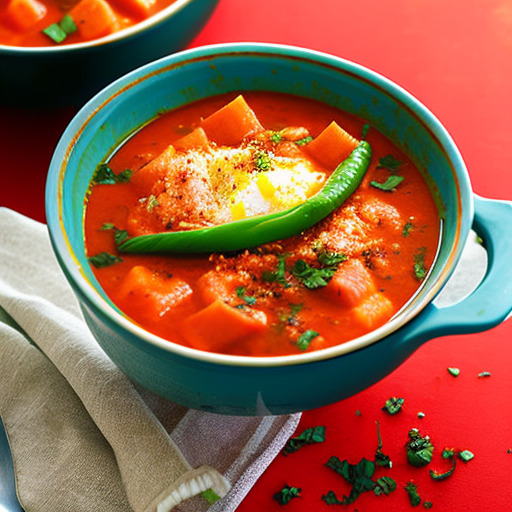
The perfect tomato soup should be rich, creamy, savory, and slightly sweet. It should have a smooth and velvety texture with no lumps or chunks. The taste should be well balanced between tomato acidity, garlic savoriness, onion sweetness, and herb spiciness. The color should be bright red or orange without any discoloration or browning. Lastly, the aroma should be fragrant with hints of basil or oregano.
Ingredients and Utensils
To make the perfect tomato soup recipe, you will need to gather the following ingredients:
- 2 lbs of ripe tomatoes (fresh or canned)
- 1 onion, chopped
- 3 garlic cloves, minced
- 2 tbsp of olive oil
- 4 cups of chicken or vegetable broth
- 1 cup of heavy cream or whole milk (optional)
- 1 tsp of sugar (optional)
- Salt and pepper to taste
- A pinch of dried thyme, oregano, and basil (optional)
You will also need the following utensils:
- A large soup pot or Dutch oven
- An immersion blender or a regular blender
- A wooden spoon or spatula
- A cutting board and a sharp knife
The Best Quality Tomatoes for Tomato Soup
To make great tomato soup, it’s essential to choose the right type and quality of tomatoes. Ideally, you should use fresh ripe tomatoes that are in season, juicy, and sweet. Roma, San Marzano, or beefsteak tomatoes are great choices for tomato soup as they have a dense texture and low water content. They also have a bright and tangy flavor that complements the other ingredients.
If fresh tomatoes are not available or not in season, you can use canned tomatoes as an alternative. When choosing canned tomatoes, look for whole peeled tomatoes without any additives or preservatives. Crushed or diced tomatoes may contain excess water, salt, or sugar that can affect the quality of the soup.
Spices and Herbs for a Full Flavor Profile
Tomato soup is not just about tomatoes; it’s also about the seasoning and herbs that enhance its taste and aroma. Some common spices and herbs used in tomato soup recipes are:
- Garlic: adds a strong savoriness and depth to the soup.
- Onion: provides natural sweetness and a neutral base for the flavors.
- Basil: gives a hint of fresh herbaceousness and sweetness.
- Oregano: adds a spicy and earthy profile that complements tomatoes.
- Thyme: imparts a subtle woody and floral note to the soup.
These spices and herbs can be used fresh or dried, depending on your preference and availability. You can also experiment with other herbs like parsley, cilantro, rosemary, or bay leaf to customize your tomato soup recipe.
Additional Ingredients that Give Complexity to the Soup
Aside from tomatoes and seasonings, you can add other ingredients that give complexity to your tomato soup recipe. Here are some examples:
- Carrots: add a natural sweetness and orange hue to the soup while boosting its nutrient content.
- Celery: provides a refreshing crunch and a mild flavor that complements tomatoes well.
- Potatoes: make the soup thicker and creamier while adding a starchy texture that balances out acidity.
- Bell peppers: introduce a mild heat and sweetness to the soup while increasing its vitamin C content.
- Cream or milk: make the soup richer, velvety, and smoother while calming down any spiciness.
Equipment Needed
Making tomato soup doesn’t require any fancy equipment; however, having the right tools can make your cooking experience more comfortable and efficient. Here are the essential tools you need:
- A large soup pot or Dutch oven: this is where you will cook and simmer the soup.
- An immersion blender or a regular blender: this is used to puree the soup into a smooth consistency.
- A wooden spoon or spatula: this is used to stir and mix the ingredients during cooking.
- A cutting board and a sharp knife: this is used to chop and prepare the ingredients before cooking.
Preparation
Once you have gathered all your ingredients, it’s time to prepare them for cooking. Follow these steps for making tomato soup from scratch:
Cleaning and Chopping Tomatoes
If you’re using fresh tomatoes, wash them thoroughly under running water to remove any dirt or debris. Remove the stem and any blemishes on the skin. Cut the tomatoes into quarters or halves depending on their size.
Making Tomato Puree from Scratch
To make tomato puree from scratch, place the chopped tomatoes into a blender or food processor and pulse until they become a smooth liquid. You can strain the puree through a sieve if you want it to be extra smooth.
Making Tomato Soup Using Canned Tomatoes
If you’re using canned tomatoes, open the can and pour the contents into a large bowl. Crush the tomatoes with your hands or a potato masher until they break down into small pieces.
Sautéing Onions and Garlic
In a large pot or Dutch oven, heat two tablespoons of olive oil over medium heat. Add one chopped onion and three minced garlic cloves, stirring occasionally, until they become translucent and fragrant.
Adding Broth or Water
Once the onions and garlic are cooked, add four cups of chicken or vegetable broth to the pot. You can use water instead of broth, but the soup will be less flavorful. Bring the mixture to a boil and then reduce the heat to a simmer.
Using Cream or Other Dairy Products
If you’re using cream or milk, take the pot off the heat and add one cup of heavy cream or whole milk to the soup, stirring constantly. This will give the soup a creamier texture and milder taste. If you’re not adding dairy, skip this step.
Cooking the Tomato Soup
Now that you have all your ingredients in the pot, it’s time to cook your tomato soup following these steps:
Time and Temperature Requirements
Simmer the soup for 20-25 minutes on low-medium heat until all the ingredients are cooked through. Stir occasionally to prevent burning or sticking to the bottom of the pot.
Simmering for Maximum Flavors
Allowing the soup to simmer for some time is crucial as it helps to meld all flavors together and create a well-balanced taste. The longer you simmer, the more concentrated and intense the flavor becomes. You can adjust the cooking time based on your preference.
Thickening Methods
To thicken your tomato soup, you have several options:
- Cooking longer: as mentioned earlier, cooking tomato soup longer will naturally thicken it due to water evaporation.
- Adding bread: adding slices of bread to your tomato soup while cooking will help absorb excess moisture and create a thicker consistency.
- Using cornstarch: mix one tablespoon of cornstarch with two tablespoons of cold water until dissolved, then pour into the soup and stir. Cook for five more minutes until thickened.
- Blending: using an immersion blender or a regular blender, puree the soup until it’s completely smooth and creamy.
Serving and Pairing Suggestions
Now that your tomato soup is ready, it’s time to serve and enjoy it. Here are some ideas for serving and pairing your soup:
The Perfect Toppings for Your Tomato Soup
Tomato soup can be served plain or with a variety of toppings that add texture, flavor, and color. Some popular toppings are:
- Croutons: these are small cubes of bread that have been toasted or baked until crispy. They add crunchiness and carbs to the soup.
- Cheese: grated Parmesan, cheddar, or feta cheese can be sprinkled on top of the soup for a salty and tangy taste.
- Herbs: fresh herbs like basil, parsley, or chives can be chopped and sprinkled on top of the soup for a fragrant touch.
- Sour cream: a dollop of sour cream can be added to the soup to counteract the spiciness while adding a creamy texture.
Delicious Side Dishes to Accompany your Meal
Tomato soup can be paired with a variety of side dishes to make a complete meal. Here are some options:
- Grilled cheese sandwich: this is a classic pairing that involves making a sandwich with melted cheese between two slices of buttered bread. The sandwich is usually grilled until crispy and golden brown. The creamy cheese complements the acidic tomato soup well.
- Crusty bread: any crusty bread such as baguette, sourdough, or ciabatta can be served alongside tomato soup for dipping and sopping up of soup.
- Salad: a light salad made of mixed greens, cucumber, tomatoes, and a vinaigrette dressing can be served as a refreshing and healthy side dish to tomato soup.
- Pasta: if you want something more filling, you can serve tomato soup with pasta like spaghetti or penne. The pasta adds bulk and texture to the meal while soaking up the sauce.
Paired Drinks that Complement the Flavor of your Soup
Lastly, you can pair your tomato soup with various beverages that enhance its taste and aroma. Here are some suggestions:
- Red wine: a light-bodied red wine such as Pinot Noir or Beaujolais goes well with tomato soup. It’s not too heavy or tannic but has enough acidity and fruitiness to cut through the richness of the soup.
- Beer: a light ale or lager pairs well with tomato soup, especially if it’s cold or carbonated. It cleanses the palate and refreshes the senses while balancing out any spiciness or creaminess in the soup.
- Cider: if you want something sweeter and fruitier, you can serve tomato soup with apple cider. The crispness and sweetness of cider complement the freshness and tanginess of tomatoes well.
- Lemonade: for a non-alcoholic option, lemonade or limeade can be served with tomato soup for a zesty and refreshing taste. You can add mint leaves or slices of lemon to garnish the drink.
Tips and Tricks for Perfect Tomato Soup Every Time
Making perfect tomato soup is easy if you follow these tips and tricks:
Cooking Hacks That Will Improve Your Recipe
- Roasting your tomatoes before making the soup will intensify their flavor and create a smoky charred taste. Simply place the halved tomatoes on a baking sheet, drizzle with olive oil, and roast in the oven at 400°F for 20-25 minutes or until they are tender and blistered.
- Adding a pinch of baking soda to the soup while cooking will neutralize the acidity of tomatoes and make them sweeter. Be careful not to add too much as it can alter the taste too much.
- Using a hand-held immersion blender is more comfortable and safer than transferring hot soup to a regular blender. It also gives you better control over the texture and thickness of the soup.
- Sweating the onions and garlic before adding them to the pot will release their flavors more fully. Sweat means cooking them in a little oil for several minutes until they become translucent but not browned.
- Seasoning your soup gradually is key to achieving a balanced taste. Start with less spice and salt, then adjust as needed based on your taste preferences.
Saving Overcooked or Undercooked Results
If your tomato soup is overcooked or undercooked for any reason, don’t panic; there are ways to salvage it:
- If your soup is too thick, add more broth or water until it reaches your desired consistency.
- If your soup is too runny, you can add more pureed or crushed tomatoes until it thickens up. You can also use any of the thickening methods mentioned earlier.
- If your soup is too salty, add a pinch of sugar or lemon juice to balance out the saltiness. You can also dilute it with more broth or water.
- If your soup is too sweet or acidic, add a pinch of salt or vinegar to balance out the flavors. You can also increase the spiciness by adding more herbs or chili flakes.
Frequently Asked Questions
Here are some common questions and answers about tomato soup:
1. How long can I store tomato soup in the fridge?
Tomato soup can be stored in an airtight container in the fridge for up to four days. Make sure it’s cooled down properly before putting it in the fridge, and reheat it thoroughly before serving again.
2. Can I freeze tomato soup?
Yes, you can freeze tomato soup for up to six months. Allow the soup to cool down completely, then transfer it into freezer-safe bags or containers. Label them with the date and portion size, then freeze them flat if possible.
3. How can I reheat leftovers?
To reheat leftover tomato soup, transfer it into a pot or microwave-safe bowl and heat it over medium-low heat until it’s hot but not boiling. If using a microwave, cook on high for two to three minutes, stopping every 30 seconds to stir the soup to prevent hot spots.
Conclusion
Tomato soup is an all-time classic that never goes out of style. It’s easy to make, affordable, and customizable to everyone’s taste preferences. By following this ultimate tomato soup recipe guide, you’ll be able to make the perfect bowl of savory and comforting soup in no time. Remember to choose ripe tomatoes, use fresh seasonings and herbs, simmer the soup slowly, and serve it piping hot with your favorite toppings and sides. Tomato soup is not just a meal; it’s an experience that feeds both body and soul. Enjoy!
Frequently Asked Questions About Tomato Soup Recipe
Q: Is tomato soup difficult to make?
A: Not at all! This recipe is quite simple and straightforward. You’ll just need a few key ingredients and around half an hour to prepare it.
Q: Can I use canned tomatoes for the soup?
A: Of course! Canned tomatoes will work perfectly fine for this recipe. However, we recommend using whole peeled canned tomatoes for a more robust flavor.
Q: Can I substitute other vegetables in place of onions or carrots?
A: Yes, you can use any other root vegetables such as celery or leeks in place of onions or carrots in the recipe. Keep in mind that these substitutions may slightly alter the taste and texture of the finished soup.
Q: Is it necessary to blend the soup?
A: Blending the soup gives it a smooth and creamy texture that is characteristic of tomato soup. However, if you prefer a chunky texture, you can skip the blending step altogether.
Q: How long can I store leftover tomato soup?
A: You can store leftover tomato soup in an airtight container in the refrigerator for up to 4 days. Make sure to reheat it thoroughly before serving.
Q: Can I freeze tomato soup?
A: Absolutely! You can freeze tomato soup for up to 2 months in an airtight container. To thaw, simply transfer it from the freezer to the fridge and allow it to thaw overnight.
Q: What are some toppings that go well with tomato soup?
- Crispy croutons: Top your soup with some homemade croutons for added crunch and texture.
- Fresh herbs: Sprinkle some chopped cilantro or parsley on top of the soup for added flavor.
- Sour cream: Add a dollop of sour cream to your soup for a creamy finish.
- Pesto sauce: Drizzle some pesto over your tomato soup for an extra burst of flavor.