best guacamole recipe
The Ultimate Guide to Creating the Best Guacamole Recipe
Guacamole is one of the most popular dips in Mexican cuisine. It has a creamy texture, delicious flavor, and can be served as a refreshing appetizer or the perfect topping for main dishes. Making the best guacamole recipe isn’t tough if you have the right ingredients and follow the steps carefully. This guide will provide you with tips, tricks, and everything you need to know about guacamole.
Understanding Guacamole
Before we dive into the recipe, it’s essential to understand what guacamole is and where it originated. Guacamole originated in Mexico, where it was made by the Aztecs. The traditional recipe consisted of mashed avocados mixed with salt and tomatoes. Today there are several variations of guacamole, but the most crucial ingredient remains fresh avocados.
The traditional ingredients used in making guacamole are avocados, onions, tomatoes, garlic, chiles, cilantro, lime juice, salt & pepper. Cilantro is an herb that gives guacamole a unique taste. Depending on preference or availability, you can substitute it with Italian parsley for a similar flavor profile.
Avocados come in various types like Hass or Fuerte. Hass avocados are preferred since they have a buttery taste with a creamy flesh that is easier to mash while still firm enough for diced textures.
Ingredients
- 4 ripe Mexican Hass avocados (not long or larger Florida avocados), cut in half and pitted
- 1/2 onion diced (white or red onion)
- 2-3 roma tomatoes finely chopped
- 1 serrano pepper seeded and finely chopped
- 1 garlic clove minced or pressed lightly
- 2 tablespoons of fresh cilantro leaves, chopped
- Juice of a small lime or one tablespoon of it
- Salt to taste
- Freshly ground black pepper
Why each ingredient is important, and how it affects the taste and texture of guacamole
The ingredients in guacamole are crucial as they combine to give it a robust flavor.
Starting with ripe avocados is essential as unripe ones will result in hard textures whereas overripe will make the dish mushy. Onions add a necessary crunch, while tomatoes provide a fresh flavor and balance the richness of avocado’s natural oil. A fresh garlic adds a punch to the taste, lime juice balances everything out, and cilantro leaves create an alluring aroma.
Preparation
Before preparing guacamole, you first need to select ripe avocados to obtain their flavor. Gently press your thumb against an avocado’s skin; if it leaves a mark that disappears quickly, it means they are ripe for cooking.
To prepare the avocados, cut them lengthwise, twist them apart to take the seed out using a spoon. Use a knife to gently cut across each half lengthwise and then width-wise to form dices. Use your fingers or spoon depending on desired texture (guac chunky or smooth).
Chop onions into small pieces. Finely chop tomatoes remove any extra liquid by using paper towels gently. Remove seeds from chiles before mincing along with garlic cloves .
You will be needing fresh cilantro leaves chopped, and lime will need to be squeezed for juice.
How to Prepare onions, tomatoes, garlic, chiles, cilantro, lime juice, salt, and pepper
- Dice 1/2 onion finely
- Finely chop 2-3 roma tomatoes
- Mince or press lightly each of a clove of garlic and a seeded serrano pepper.
- Chop cilantro leaves freshly
- Squeeze a small lime into a tablespoon
Mixing it up
To mix the guacamole ingredients together, gently add in the prepared ingredients to a mixing bowl starting with mashed avocados. Avoid over-mixing, as it might make you lose the desired chunks or smoothness of your dip. Mix just enough that all the ingredients are combined well.
Different methods of mixing :
- Fork-mashing yields chunky texture but needs more time compared to other methods.
- Bowl and fork method is helpful if you want medium smoothness for dip but don’t have immersion blenders can take longer than using food processor or blender.
- Immersion blending is useful when you like it smoother but not runny guac. Be careful not to overrun the mixture.
Tips & Tricks
Here are a few tips and tricks we’ve learned through personal experience or culinary icons:
1. Preserving Freshness
If not serving right away, keep avocado seeds in the mix until serving period keeping them from browning too fast together with an air-tight cling wrap over the bowl and store it in an airtight container.
2. Experimenting with your twist
You can add fruits like pineapple or mango that pair well with avocado for surprising dips. Specialty salts, such as black lava salt or smoked salt, add an extra note of umami to the recipe. A secret ingredient – goat cheese – adds depth and creaminess.
3. How to store leftover guacamole
To safely keep leftovers, scrape guacamole into an airtight container and press a plastic wrap flush against its surface. This minimizes exposure to air, thus prolonging its freshness.
Presentation
Anyone can make guacamole look presentable with creative touches using some tips:
1. Ways of adding toppings
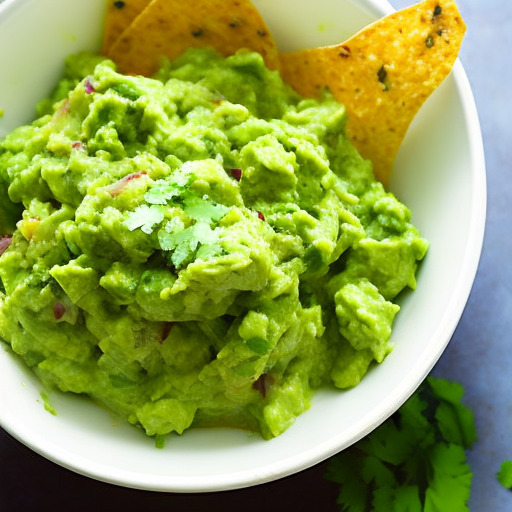
Sprinkle extra ingredients such as finely chopped chives, red onion, diced tomatoes, jalapenos, or chopped cilantro leaves over the top. Add texture and crunch by placing roasted corn kernels or even bacon bits on top.
2. Picking and displaying chips
Pick sturdy-sized chips or multicolored crackers that present well with the dip’s texture and color. Use serving bowls with edges high enough to scoop while preventing them from spilling over the table
3.Presenting as a side dish
Place guacamole on salad greens, alongside soups or with grilled shrimp for added flavor in the dish.
Pairing with Other Foods
The taste of guacamole can pair quite well with various main dishes:The dip goes together well with tacos or burritos and works as a sauce to provide additional flavors in quesadillas. When added to salads, it brings a fresh and tangy flavor and enlivens the dish.
Using Guac In Different ways
Besides dip, guacamole is a perfect addition as a condiment on several different dishes:
- Sandwiches - Use it as a topping on crostini or baguette slices before adding deli meats, cheese, or bacon.
- Burgers – Top your beef patty with guacamole for a more luscious burger
- Eggs – Use as an egg yolk substitute; can switch up the usual hollandaise sauce with guacamole while making eggs benedict
Common Mistakes
While preparing guacamole is relatively simple, people tend to make mistakes that affect the overall dish. Here are some common errors and how to avoid them:
1. Overworking the mixture
If left untouched past achieving ideal consistency, will adversely affect the finished end-product.
2. Forgetting salt and lime juice
The fundamental taste enhancers like lime juice and salt should be used well when preparing (poor mixing technique can get you this mistake).
3. Preparing in advance
Making ahead of serving time can ruin the texture of the finished product.
4. Selection and ripeness
Making sure avocado is already ripe and by feeling the texture of its skin can spare you from getting poor quality avocados for the recipe
Nutritional Benefits
Guacamole has numerous health benefits since it contains monounsaturated fatty acids (MUFA) that help in regulating cholesterol levels and boosting heart health. Additionally, avocados also contain high amounts of vitamin C, fiber, folate, and potassium.
Conclusion
The best guacamole recipe is simple to make and has a unique flavor profile renowned worldwide. By following these simple steps, tips and expected selection of certain ingredients for the desired texture of your preference—begin experimenting with various guacamole styles you’d love to offer your guests. Remember, guacamole complements all dishes from salads to sandwiches and grilled beef skewers. Plus, guac already has so much nutritional value on its own.
Frequently Asked Questions
1. What makes a great guacamole recipe?
A great guacamole recipe consists of fresh, high-quality ingredients and a balanced mix of flavors. The perfect guacamole should have a smooth texture with a chunky consistency and a bright green color.
2. What are the essential ingredients for guacamole?
The essential ingredients for guacamole include ripe avocados, lime juice, salt, cilantro, garlic, and red onion. Additional ingredients can be added to enhance the flavor, such as jalapeno peppers or diced tomatoes.
3. How do I pick the best avocados for my guacamole?
To pick the best avocados for your guacamole recipe, look for ripe avocados with firm skins that yield slightly when pressed gently on the skin. Avoid overripe or underripe avocados.
4. Can I make guacamole ahead of time?
Yes, you can make guacamole ahead of time, but it is important to store it properly to avoid browning. To keep your guacamole from turning brown, place plastic wrap directly on the surface of the guacamole before covering and refrigerating.
5. How long does guacamole last in the fridge?
Freshly made guacamole will last up to 2 days in the refrigerator if stored properly with plastic wrap. However, if you’re using store-bought guacamole or leftovers that have been partially eaten already, it’s best to discard them after 1 day in the fridge.
6. What can I serve with my guacamole?
- Tortilla chips
- Pita bread or naan
- Celery sticks or carrot sticks
- Endive leaves or cucumber slices
- Fried plantains or sweet potato chips
7. Can I customize my guacamole recipe?
Absolutely! The great thing about guacamole is that it’s easy to customize to your liking. You can adjust the spice level, add extra ingredients like corn or bacon, or experiment with different herbs and spices. Let your taste buds guide you!