buttercream recipe
Buttercream Recipe: The Ultimate Guide
Buttercream is an essential ingredient in cakes and desserts. It is a versatile frosting that can be flavored, painted, and piped in different shapes for any occasion. In this guide, we will go through everything you need to know about buttercream recipes.
What is Buttercream?
Buttercream is a type of frosting that is made from butter, sugar, and flavorings. It is commonly used in cakes and desserts as a topping or filling. Buttercream can be made in different ways, resulting in different types of buttercream such as American Buttercream, Swiss Meringue Buttercream, Italian Meringue Buttercream, and French Buttercream.
Types of Buttercream
1) American Buttercream
American buttercream is the easiest and most popular type of buttercream. It does not require any cooking or special techniques. The recipe includes unsalted butter, powdered sugar, vanilla extract, and milk or cream.
2) Swiss Meringue Buttercream
Swiss Meringue Buttercream is made by whisking egg whites along with sugar until the mixture becomes white and fluffy. Then the whipped meringue is combined with softened butter to create the final product.
3) Italian Meringue Buttercream
Italian Meringue Buttercream requires more steps than other types of buttercreams. It involves making sugar syrup using granulated sugar and then pouring it into whipped egg whites while they’re still being beaten. Once thoroughly mixed together the final step is adding softened butter.
4) French Butter Cream
French butter cream also known as creme au beurre in French pastry shops has a rich texture because it is made with yolks instead of whites like Swiss meringue cream. Sugar syrup made with granulated sugar is added to beaten egg yolks once it has reached a certain temperature; softened butter gets added until desired creamy consistency of faux custard is achieved.
Essential Ingredients
Buttercream is a very simple frosting that requires only a few key ingredients. The essential ingredients for any buttercream are:
1) Unsalted butter - quality unsalted butter is essential and it should be soft and not too cold or too warm
2) Powdered sugar - powdered sugar is used instead of granulated sugar to ensure that the texture is smooth
3) Flavorings and colorings - depending on the flavor desired, vanilla extract, cocoa powder, fruit puree, and other flavorings or colorings can be added
Alternatives to Butter in Buttercream
Some people may need to avoid using butter for various reasons such as dietary restrictions or preference. As an alternative, there are other ingredients that can substitute butter in a buttercream recipe. Such alternatives include cream cheese frosting, ganache, and whipped cream.
Common Mistakes when Making Buttercream
The most common mistakes made when making buttercream are not using the correct temperature of the ingredients, over-beating the mixture, or adding too much or too little of any key ingredient. It is best to follow the steps carefully when following a buttercream recipe.
Preparation and Techniques
When it comes to making buttercream recipes, equipment also plays a crucial role in achieving desired consistency. Following are some tools that come handy:
1) An electric mixer - an electric mixer assures a thorough mixing of ingredients with consistent results while maintaining preferred speed.
2) A spatula - a rubber spatula is useful for scraping the sides of the bowl while mixing thereby saving time.
3) A sieve - helps keep lumps from forming in your powdered sugar while adding more taste to your recipe.
Step-by-step Instructions for Making Perfect Buttercream
1) American Buttercream Recipe
Ingredients:
- 1 cup (2 sticks) of unsalted butter
- 4 cups of confectioners’ sugar
- 1 teaspoon of vanilla extract
- ¼ cup of milk or cream
Instructions:
1. Cream the butter with an electric mixer until it is pale and fluffy.
2. Gradually add the confectioners’ sugar, scraping the sides of the bowl often with a spatula to make sure the mixture is homogeneous.
3. Mix in vanilla extract.
4. Slowly pour in milk until desired consistency is achieved.
2) Swiss Meringue Buttercream Recipe
Ingredients:
- 4 egg whites
- ⅔ cup granulated sugar
- 1 teaspoon vanilla extract
- 1 cup (2 sticks) unsalted butter, softened
Instructions:
1. Mix eggs whites and sugar in a heatproof bowl placed over a saucepan filled with simmering water. Whisk constantly until it reaches a temperature above 160℉ (70℃).
2. Once reached, remove from heat and whisk on high speed with an electric mixer for five minutes.
3. Keep beating while adding butter one tablespoon at a time until desired consistency.
4. Add vanilla extract and continue to beat during last two minutes for extra fluffy and light texture.
3) Italian Meringue Buttercream Recipe
Ingredients:
- 2 egg whites
- 2 cups granulated sugar
- ⅓ cup water
- ½ teaspoon cream of tartar
- 3 cups unsalted butter, at room temperature
Instructions:
1. Whisk egg whites in a large mixing bowl on medium speed until stiff peaks form.
2. Boil granulated sugar and water together in a saucepan over medium-high heat without stirring.
3. Let it cook until it reaches soft-ball stage (238 F).
4. Add cream of tartar to beaten egg whites and start pouring hot sugar syrup into while continuously mixing.
5. Continue mixing for about ten minutes to cool down mixture before adding softened butter one tablespoon at a time.
6. Once all the butter has been added, beat until desired consistency.
4) French Buttercream Recipe
Ingredients:
- 1 cup (2 sticks) unsalted butter, softened
- 1 cup granulated sugar
- ¼ cup water
- 3 large egg yolks
- 1 teaspoon vanilla extract
Instructions:
1. Combine sugar and water in a saucepan over medium high heat and cook until it turns golden brown without stirring.
2. Remove from heat and quickly pour sugar mixture into the beaten egg yolks.
3. Beat on low speed for about two minutes before adding in softened butter.
4. Once added, whip vigorously at high speed to get a smooth texture.
5. Add vanilla extract towards end of mix.
Flavorings
Adding flavoring to your buttercream is the perfect way to achieve a unique taste profile that suits your preferences or events. Some commonly used flavorings include:
1) Vanilla - Adding vanilla extract or seeds enhances the taste profile of any traditional buttercream recipe.
2) Chocolate - Adding melted chocolate, cocoa powder, or chocolate chips results in a rich and deep flavor.
3) Fruits and Berries - Adding fruit puree such as raspberry or strawberry gives simple-yet-enjoyable tastes that can be used for cakes, cupcakes, and other bakery items.
4) Nuts and Seeds - To add extra texture and taste, add herbs like lavender or chopped up nuts like pistachios or almonds.
Coloring and Painting
Classics styles or creating something new is where the magic resides with buttercream on cakes. Here’s how you can add color to your buttercream frosting by using different practices:
1) Natural food coloring - natural food colors are made from natural ingredients like fruits, vegetables, and spices that are usually healthy for flavorsome additives.
2) Commercial food coloring - commercial food coloring typically comes in liquid or gel form, making it easy to add concentrated color to frosting.
3) Painting techniques with buttercream - using a brush and a mixture of edible gel color and vodka, you can paint intricate patterns like flowers or abstract designs by dipping into the color mixture and painting on a sheet. Once it dries, it can be added to your cakes for decorative features.
Decorations
Buttercream frosting, when piped using pastry bags and tips, can create elaborate designs that make simple cakes look like heirloom works of art. Some common decorative designs that can be achieved include:
1) Rosettes - by placing untapered piping tip perpendicular to cake surface and piping in motion around central point more layers are created resulting in petals-like rosettes.
2) Borders - by using a narrower tip type an elaborate border can be done with the continuous piping of various designs around the cakes edge.
3) Flowers - various flower designs like ones symbolizing nature may be created with buttercream by using a few different tips (for example the two tone tip).
4) Figures- By piping buttercreams in different shapes and adding colors they can create famous characters, animals, geometric shapes etc.
Storing and Handling
Once the perfect buttercream recipe has been made, next comes storage. Follow these tips on how best to store buttercream.
1) Best ways to store buttercream - Buttercream should either be stored in an airtight container in your fridge or securely covered until it is ready to use.
2) Shelf life of buttercream - Butter cream stored at room temperature is good for up to 2 days while that kept refrigerated is good for 7-10 days. If frozen correctly, it can last up to three months.
3) Freezing techniques - To retain consistency ensure that it’s wrapped tightly before merging into any closed container prior to storing in a freezer. Thawing ought to be done in the refrigerator.
4) Ways to re-whip separated or harden butter cream - bring it to room temperature and whip again until it gets smooth.
Uses of Buttercream
Buttercream is a versatile icing that can be used on any number of baked goods. Following are ways it can be used:
1) Layering cakes - using a pastry bag, pipe buttercream between layers to help glue them together or to create an attractive design.
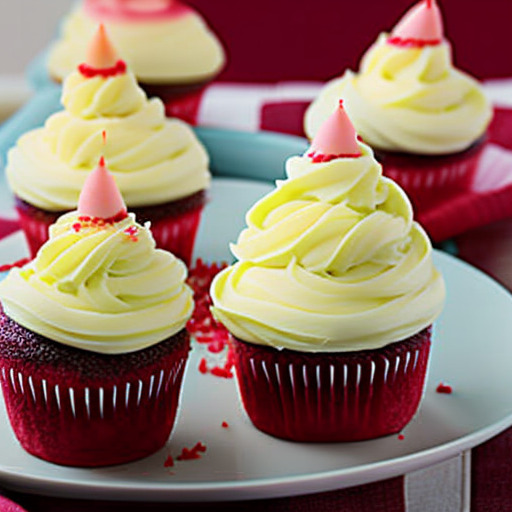
2) Topping cupcakes - adding frosting on top of cupcakes either by using knife spread or piping as decoration.
3) Filling macarons - filling macarons with buttercream using pastry bag.
4) Making truffles - melting the buttercream down and dipping objects (like nuts or berries) to create chocolate truffles.
5) Decorating sugar cookies - by adding food coloring frosting it becomes an incredible art tool for cookie designs.
Common Questions and Tips
Here are some common questions associated with buttercream, if you have any additional questions please feel free to reach out:
1. How do I avoid lumps while mixing powdered sugar? Sieving can help remove any lumps which also helps in case of cocoa powder making the texture consistent.
2. What happens when you over-beat buttercream? Over-beating results in air pockets forming within the mixture, causing it to become dry and too stiff; this leads it into a separation issue where liquid is visible above.
3. Can I refrigerate my cake covered in buttercream? It is fine as long as above mention criteria are met while storing in fridge. So wrapped tightly with airtight container before placing in refrigerator.
4. How do I get my darker colored frosting to come out evenly? Use a combination of natural and commercial gel colorings along with properly incorporated powdered sugar sweeteners will result in even mixtures of color for your frosting taste needs.
5. Is there such a thing as too much butter in my buttercream recipe? Yes, following the recommended measurements will prevent the frosting from being overly greasy, heavy or having an overpowering taste.
Buttercream Alternatives
If you are looking for alternatives to butter, there are other frostings that can be used instead.
1) Cream cheese frosting - With a texture similar to buttercream but with cream cheese-y taste adds extra tanginess.
2) Ganache - The perfect chocolate addition for your cakes and cupcakes. It also looks fantastic as a glossy finish.
3) Whipped cream - whipped cream has a light and airy texture that provides a nice contrast to dense cakes. This will work well as filling or topping.
Conclusion
In conclusion, buttercream is a versatile frosting that can be mixed and made in multiple ways. From natural colorings to piping decorations it is an essential ingredient in cakes and desserts that should not be forgotten. Follow these steps closely and your buttercream recipes will always be perfect no matter what flavors or occasions arise!
Frequently Asked Questions about Buttercream Recipe
1. What is buttercream?
Buttercream is a type of frosting that is made by combining butter, sugar, and other flavorings and ingredients.
- Buttercream is a popular frosting for cakes, cupcakes, and cookies.
- It can be piped into decorative designs or used to fill layered cakes.
2. What are the different types of buttercream?
There are several different types of buttercream:
- American buttercream: This is the easiest and most common type of buttercream, made with butter, powdered sugar, vanilla extract, and milk.
- Swiss meringue buttercream: This has a lighter and smoother consistency than American buttercream. It’s made by combining egg whites and sugar, then adding butter.
- Italian meringue buttercream: This is similar to Swiss meringue buttercream but uses hot sugar syrup instead of granulated sugar.
- French buttercream: This is made with egg yolks instead of egg whites. It has a richer flavor but can be a bit more challenging to make.
3. Is making homemade buttercream difficult?
No! Making homemade buttercream is actually quite easy if you have the right recipe and tools.
4. Can I make vegan or dairy-free buttercream?
Absolutely! There are many vegan and dairy-free substitutes for traditional butter that can be used in recipes. Coconut oil, avocado, nut butters, and vegan margarine are all great options for making non-dairy buttercream.
5. How long does buttercream last?
Buttercream can last up to a week in the refrigerator if stored in an airtight container. It can also be frozen for up to three months.
6. Can I add flavorings to buttercream?
Yes! Buttercream can be flavored in many ways, including:
- Cocoa powder for chocolate buttercream
- Fruit purees for fruity buttercream
- Mint extract for mint-flavored buttercream
- Coffee or espresso for coffee-flavored buttercream
7. What should I do if my buttercream is too runny?
If your buttercream is too runny, try adding more powdered sugar a little at a time until it thickens up. If that doesn’t work, you can try chilling it in the refrigerator for a bit before trying to frost your cake or cupcakes.