coleslaw recipe
The Ultimate Coleslaw Recipe Guide: Tips and Tricks for a Perfect Salad
Coleslaw is a classic dish that can be found in almost any restaurant or grocery store, but there’s something special about making it from scratch. By choosing and preparing each ingredient yourself, you have complete control over the flavor, texture, and nutritional content of the salad. Whether you’re looking for a side dish for your barbecue or want to add some crunch to your sandwich, coleslaw is an excellent option that never goes out of style. In this guide, we’ll share tips and tricks for making the perfect coleslaw that will impress your friends and family every time.
Introduction: What is Coleslaw?
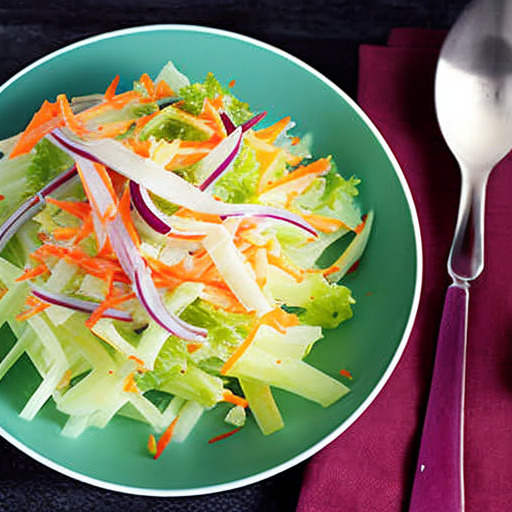
Coleslaw is a salad made mainly with shredded cabbage and carrots, dressed with either vinaigrette or creamy dressing. However, there are many different variations of coleslaw that can include other vegetables like broccoli, bell peppers, or cucumbers. Some people also add nuts, raisins, cranberries or apples to add additional texture and flavor.
The origin of coleslaw comes from the Dutch word “koolsla,” which translates to cabbage salad. It has been a popular dish in Europe since the Roman era but only became widely consumed in America in the 18th century. Today, coleslaw is a staple side dish for backyard barbecues, picnics and fast food chains across America.
Why Make Coleslaw from Scratch?
Making coleslaw from scratch benefits you in many ways. Aside from being fresh and flavorful, homemade coleslaw can improve your health by avoiding chemicals preservatives and stabilizers that packaged slaws may contain. Homemade dressings such as vinegar dressing may also offer better heart health benefiting properties. Here are some more reasons why you should consider making coleslaw from scratch:
- Economical: Homemade coleslaw is much more affordable than buying coleslaw packs from the store
- Zero-Waste: You won’t be purchasing pre-packaged coleslaw that creates plastic waste
- More Nutritious: By using fresh vegetables, you will get maximum nutrition with no additives or preservatives
- Tastier: Making coleslaw from scratch gives a stronger, satisfying taste and better texture than store-bought slaws
Ingredients for the Perfect Coleslaw Recipe
While it’s tempting to buy pre-shredded cabbage and carrots when making coleslaw, the fresher the vegetables, the better your salad will be. You can purchase ingredients from your local farmers market or grocery store. Here is a list of ingredients for the perfect coleslaw recipe:
- 1 head green cabbage, thinly sliced
- 2 carrots, grated into thin shreds
- 1/2 cup mayonnaise
- 1/4 cup sour cream
- 2 tbsp sugar
- 2 tbsp apple cider vinegar
- salt and pepper to taste
This classic coleslaw recipe has a balance of sweetness and tanginess that makes it incredibly flavorful.
Note: If you are vegan or allergic to mayonnaise, you can substitute it with a non-dairy alternative such as vegan mayonnaise or Greek yogurt.
Dressing Options for your Coleslaw Recipe
Coleslaw dressings add flavor, moisture, and creaminess to the salad. There are two main types of coleslaw dressing: vinegar-based and creamy.
Classic Vinaigrette Dressing Recipe
- 1/2 cup olive oil
- 1/2 cup apple cider vinegar
- 1/2 tsp salt
- 1/4 tsp black pepper
- 2 tbsp honey
This dairy-free, gluten-free, and vegan recipe is simple to make. Mix all the ingredients together in a bowl or jar, and shake vigorously before pouring over the salad.
Creamy Dressing Recipe for an Indulgent Treat
Ingredients:
- 1 cup mayonnaise
- 1 tbsp Dijon mustard
- 3 tbsp honey
- 1/4 tsp black pepper
- 1/2 teaspoon salt
- 3 tablespoons apple cider vinegar
This recipe makes a creamy, thick dressing that is dairy-free and gluten-free when using gluten-free mayo. Mix all of the ingredients in a jug or mason jar, shake well to blend before drizzling it over your coleslaw.
The Tools You Will Need for Making Coleslaw
There isn’t much equipment you will need to prepare coleslaw. Having the necessary tools can save time because they help make tasks smooth and hassle-free. Here’s everything you’ll need:
- A sharp cutting board knife (preferably a large chef’s knife)
- A mandoline or grater for quick and even slicing and shredding of vegetables. A food processor with a shredder is also an option.
- A large mixing bowl: Use for mixing all the ingredients.
- A tablespoon for measuring the ingredients before mixing the dressing,
- A whisk or jar for creating the smooth consistency of dressings.
Techniques: Slicing and Chopping
One of the challenges that come with making coleslaw is getting your vegetables evenly cut. Here are some techniques for slicing and chopping your veggies to get them ready for the salad:
Cabbage: Cut your cabbage in half, remove its core, then slice it thinly by cutting it using a chef’s knife or mandoline. The thickness will depend on your preference, but you should aim for consistency.
Carrots: Peel off carrot skin using a peeler or knife, then use a mandoline to julienne your carrots. You can also use a grater, if that is more accessible.
Dressing Preparation
For dressings, most recipes will require you to whisk all the ingredients together in a small bowl or mason jar until the mixture becomes smooth and well combined.
Pro tip: For creamier dressings, use a blender or food processor instead of manual whisking to achieve a smoother consistency and better emulsification.
Note: If you are not sure which dressing recipe suits you most - creamy or vinaigrette - give both options a try! You might find one that will become your new favorite.
Assembling Your Coleslaw: Which Vegetables to Include?
While traditional coleslaw uses cabbage and carrot, there are other options if you want to mix things up. Below are some ideas of vegetables that can be added to create a unique coleslaw:
Broccoli: Slicing and trimming the broccoli florets will add to the crunchiness and flavor of your coleslaw.
Cucumbers: Adding thin-sliced cucumbers in your coleslaw can bring a refreshing crunch.
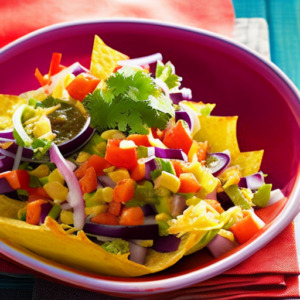
Bell peppers: Slice some red or orange bell peppers into thin strips for a sweet side dish accompaniment.
Additional Ingredients
In addition to vegetables, you can add best-loved ingredients such as golden raisins, apple slices or toasted pecans, and toss them with the salad. While these ingredients may not be part of traditional coleslaw, they are an excellent way to introduce different flavors and textures to your coleslaw dish.
Avoiding Mistakes When Making Coleslaw
Even though making coleslaw is simple, it’s easy to make mistakes along the way. Here are some common errors when making coleslaw and how to avoid them.
- Using old vegetables: Choose fresh cabbage and carrots from the grocery store or farmers market instead of using canned or frozen vegetables.
- Oversalting or undersalting: When salt is too much or too little, it ruins the flavor. Use a pinch of salt judiciously while monitoring frequently throughout preparation.
- Misjudging dressing ratios:
Remember that having too much dressing can dilute the salad’s flavors, while not enough can leave it dry. Pay attention to measurements when mixing up the dressing for optimal taste.
Storing Your Coleslaw before serving
Coleslaw is fragile - storing it at low temperatures keeps its freshness and crispness intact for a longer time.
Here are some tips on how you can store your coleslaw to keep it fresh:
- Cover the coleslaw tightly with plastic wrap
- Store the salad mixture and separately store the dressing in an airtight container in the refrigerator.
- As much as possible, avoid layering other foods over the top of your salad in your refrigerator to retain its texture and flavor.
Avoiding a Soggy Salad
The secret to making a tasty coleslaw is avoiding sogginess even when you assemble the ingredients and put everything in one bowl.
Below are tips for preventing sogginess from ruining your coleslaw dish:
- When preparing the cabbage, make sure to remove excess moisture using a clean tea towel or paper towels before adding it to the bowl.
- Avoid slicing your vegetables too small: It is best if they are thick enough to retain their texture and shape.
- Only pour dressing on salad when you are ready. Dressing ingredients do not interact well with some fruits or veggies and can cause salad leaves wilting if mixed too early .
Final Thoughts:
Making coleslaw from scratch is an easy, affordable way to elevate your culinary expertise. Now you have more control on what’ inside your salad and can make it a colorful accompaniment.
To sum it all up, some benefits of making coleslaw yourself including its affordability, nutritional value, taste improvement, reduction in waste among others.
With patience, few kitchen tools, and unwavering attention to detail- we hope that this guide will help you achieve an excellent result that will be a hit at any gathering.
Conclusion:
Coleslaw is a simple yet delicious side dish that’s enjoyed all around the world. Making coleslaw from scratch ensures that you get the freshest, healthiest, and tastiest salad every time. With this guide’s help, you now have all the information you need to create the perfect coleslaw that suits your taste buds and dietary requirements. Whether you prefer a creamy dressing or tangy vinaigrette, you’ll find something here to love. Creating your custom blend offers limitless possibilities and trials - a chance to experiment with fresh and different ingredients. Enjoy crafting your version, and don’t forget to have fun while doing it!
Frequently Asked Questions About Coleslaw Recipe
Q: Can I use any type of cabbage for a coleslaw recipe?
A: Yes, you can use any type of cabbage for a coleslaw recipe. Green and red cabbage are common choices, but Napa cabbage and savoy cabbage can also make delicious coleslaws.
Q: What other vegetables can I add to my coleslaw?
A: You can add a variety of vegetables to your coleslaw, such as carrots, bell peppers, onions, and celery. You can also experiment with fruits like apples or pineapple for a sweeter vibe.
Q: How do you make coleslaw dressing from scratch?
A: One simple recipe for coleslaw dressing calls for whisking together mayonnaise, apple cider vinegar, honey or sugar, salt and pepper.
Q: What are some good substitutes for mayonnaise in a coleslaw recipe?
A: Greek yogurt or sour cream are tangy alternatives that are lighter than mayonnaise and bring creaminess to the salad. Vinaigrettes made with olive oil and vinegar offer an oilier coating that works well on shredded veggies too.
Q: Can I make coleslaw ahead of time?
A: Yes! Coleslaw is actually best served after it has chilled in the fridge for at least 30 minutes or up to overnight which will allow the flavors to meld together. It holds up well and stays fresh in the fridge up to 5 days when stored properly in an airtight container.
Q: What should I look for when picking out cabbage for my coleslaw recipe?
A: Look for cabbage heads that are firm and heavy for their size with tightly packed leaves and no blemishes or holes. Fresh-looking cabbage is rich in flavor and nutrients.
Q: How can I customize my coleslaw?
- You can switch up the dressing of your coleslaw by playing with vinegar flavors like apple cider, rice wine or balsamic vinegar as well as adding lemon juice for acidity or mustard for added zing.
- You can add different mix-ins to give your coleslaw more texture and color. Try sliced almonds, raisins or dried cranberries, or fresh herbs like cilantro or parsley. Creative additions like mandarin oranges, pineapple chunks, or jicama slices will surprise and delight guests.
- If you’re looking to do something unconventional, skip the traditional green and red cabbage altogether. Purple cabbage, Brussels sprouts, kohlrabi, Swiss chard or kale all make creative bases for a coleslaw salad.