
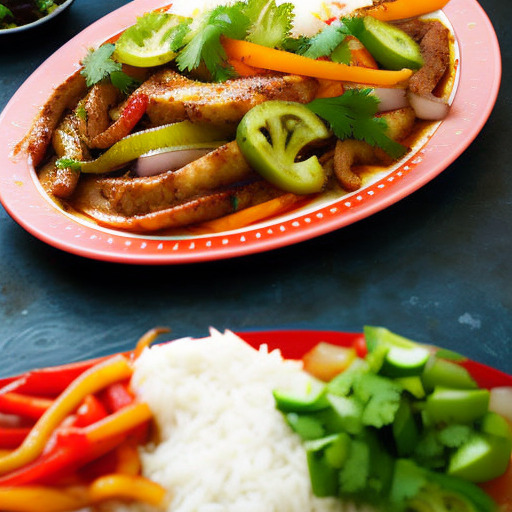
Welcome to the World of Fajitas: A Delicious Guide to Making Mouth-Watering Fajitas
Introduction
Are you in the mood for a satisfying and delicious meal to add some extra flavor and spice to your dining experience? Look no further than fajitas! This beloved Tex-Mex dish has become an American classic, perfect for any occasion from family dinners to hosting parties. This guide will provide you with all the tools you need to create the perfect fajitas.
What are Fajitas?
Fajitas are a popular Tex-Mex dish that consists of grilled meat served on a sizzling hot platter with vegetables, tortillas, and various toppings. The word “fajita” originates from the Spanish word “faja,” which means belt or girdle, referring to the strip of meat commonly used in fajitas.
Fajitas were first introduced in Texas in the 1930s by Mexican cowboys known as vaqueros. They were used as a way to enjoy leftover beef cuts on the range. The dish was slowly adapted by local restaurants, and soon it became a widely popular menu item across America.
Ingredients
Fajitas are usually made with thinly sliced grilled meat, typically beef, chicken, or shrimp. Vegetarian or vegan options can also be utilized with roasted veggies like bell peppers, onions, zucchini, mushrooms or tofu. Here is a list of basic ingredients that you will need for making fajitas:
Meat:
- Beef Strip Loin Skirt or Flank Steak
- Boneless Chicken Thighs
- Jumbo Shrimps( Large-size is preferred)
Marinade:
- Olive oil
- Lime juice
- Garlic cloves
- Soy sauce / Worcestershire Sauce
- Chipotle peppers
- Salt & Pepper
Vegetables:
- Bell peppers(red, green, yellow)
- Onions
Tortillas & Toppings:
- Tortillas(Corn or Flour)
- Cilantro
- Sour Cream
- Cheese(Queso fresco, Cheddar or Monterey Jack)
- Guacamole
- Lime wedges
Making the Perfect Marinade for Fajitas
The marinade is a crucial part of any fajita recipe, and it’s essential to get it right for a mouth-watering flavor. Here is a step-by-step process to make a perfect marinade:
Ingredients:
Instructions:
- In a large mixing bowl, combine olive oil, lime juice, soy sauce, chipotle peppers, minced garlic cloves and salt & pepper. Mix well.
(Optional): You can include dry spice blends, like chili powder, cumin, and smoked paprika, to have extra flavor on the meat and vegetables.
- Add meat to the bowl and coat it well in the marinade. You can choose either a Ziploc bag or a large baking dish to put your meat and marinade together.
- Cover your dish/bag with saran wrap or foil then let the meat marinate at least for 30 minutes or up to 6 hours in the refrigerator. Remember to massage it infrequently.
Grilling and Cooking Techniques for Fajitas
Fajitas are traditionally cooked on a hot outdoor grill, but you can prepare them at home by following different cooking methods as well:
Cooking on an outdoor grill:
- Preheat the grill to high heat(450 -550F).
- Remove the marinated meat from fridge at least 30 minutes before grilling.
- Grill steak pieces for 5-7 minutes per side depending on the thickness and desired doneness. Let it rest for 5minutes before slicing into thin strips.
- For chicken or shrimp fajitas, cook for less time, around 2-3 minutes per side.
- Place sliced onions and peppers on a grill pan with oil and cook until tender (about 5-7 minutes).
- Once everything is cooked, assemble all the ingredients on a hot skillet or sizzling plate and serve immediately.
Pan-frying indoors:
- In medium-high heat, preheat a cast-iron skillet.
- Using tongs, remove meat slices from marinade and place it on the pan without overcrowding. Avoid the temptation to stir it constantly, allow it enough time for a proper sear before flipping them.
- Once both sides are seared, remove meat from skillet and cover it with aluminum foil to keep it warm. Then, repeat the process with sliced onions and peppers, until they become slightly charred in spots.
- Assemble all ingredients on a plate or skillet and serve with warm tortillas.
Broiling technique:
- Preheat oven broiler.
- Place well-seasoned steak about 6 inches below from the broiler and cooked for around 3-5 minutes per side (flip only once)
- Once both sides are browned remove pan from oven, tent with foil and let meat rest for around five minutes.
- Sizzle peppers and onions with olive oil in a roasting pan or baking sheet then return them under the broiler. Check and stir every two to three minutes until they reach their desired tenderness level.
- When everything is sufficiently cooked, assemble the ingredients on a hot skillet or sizzling plate and serve immediately with warm tortillas.
Serving Suggestions
Alongside fajitas, various side dishes can complement the spiced flavors of fajitas like refried beans, rice, corn chips, salad greens or guacamole recipe like “Sour cream sauce”.
Garnishing options:
A simple taco seasoning or spicy Rub or Garlic lime rub seasoning can elevate the taste of recipe.
Recipes Variations
Chicken Fajitas recipe:
- Use boneless chicken thighs and marinate for at least 30 minutes in the fridge.
- Cook until the internal temperature reaches 165F(75C).
- Serve chicken fajitas with cilantro-lime rice, grilled corn, tomato salad, or kale & quinoa salad.
Steak Fajitas recipe:
- Cut beef flank steak into thin sliced pieces and marinate for at least one hour.
- Grill it high on heat (5-7mins per side)
- Serve with warm tortillas, avocado salsa, Spanish rice, and refried beans.
Shrimp Fajitas recipe:
- Select large peeled shrimp (Deveined).
- Marinate in olive oil and grill high on heat to let it charred on sides.
- Serve immediately with warm tortillas or any desired sauce you want. Note:Be sure not to overcook the shrimp for best results.
Toppings and Sauces
Adding toppings and sauces gives an extra flavor and zing to fajitas, providing a texture contrast as well. Here are some must-try recipes:
Guacamole recipe:
- Mash avocados in a bowl with a fork until you reach a chunky consistency.
- Add finely chopped garlic, red onion, and cilantro to the mashed avocados.
- Drizzle lime juice and stir well. Add salt and pepper to taste.
- Set aside in the fridge until ready to use.
Pico de Gallo recipe:
- In a bowl, combine diced tomatoes, jalapenos, onions, and cilantro.
- Drizzle fresh lime juice on top and sprinkle with salt and black pepper, then mix until evenly distributed throughout.
- Cover with plastic wrap and keep in refrigerator or serve immediately.
Sour Cream Sauce recipe:
- In a small mixing bowl, combined sour cream, salsa, minced garlic, paprika powder, cumin powder and salt & pepper. Mix well until combined.
(Optional): You can include chipotle peppers for a smoky flavor or Sriracha sauce for extra kick.
- Cover your dish/bag with plastic wrap or foil then transfer it to the fridge so flavors will have time to meld.
- You can drizzle the sauce on top of your fajitas along with other toppings of sour cream or cheese.
Authenticity vs Personal Preference
Throughout the years, many variations of fajitas have sprung up around the country that veer away from traditional Mexican-style fajitas. Still, part of the fun is adding to their unique flare; therefore, there isn’t a “right” way to make them.
Some people prefer flour tortillas over corn tortillas or like to go outside traditional vegetables substitutes like roasted Brussels sprouts, broccoli or cauliflower florets, or seasoned black beans. Follow your Personal preference while remaining faithful to the essential flavors and methods of cooking that make fajitas unique in their right.
Dietary Considerations
Adjusting recipes to fit your dietary needs can sometimes be a challenge; here are some tips to help make fajitas a more accessible meal depending on certain diet restrictions:
Gluten-Free Options:
- Use Corn Tortillas instead of Flour Tortillas.
- Skip marinades with gluten-containing soy sauce, Use Tamari sauce instead.
- Check all other ingredients are certified gluten-free before use.
Low-carb/High-protein Options:
- Use lettuce, kale leaves, or Romaine Lettuce as a wrap for fajitas instead of Tortillas.
- Add eggplant or portobello mushrooms for extra protein instead of meat.
- Serve with guacamole and sour cream sauces as toppings loaded with healthy fats.
Dairy-Free Options:
- Omit sour cream and cheese toppings and use avocado lime cilantro salsa as an alternate
- Replace cheese with nutritional yeast flakes for extra cheesy flavoring.
.
.
Leftovers Management
Fajitas are incredibly versatile and make great leftovers. Any excess meat can be sliced up further, packed into an airtight container, and stored in the freezer for up to 2 months. Vegetables also can be prepared in advance so everything is set. Just remember - assemble your fajitas with the tortillas and toppings when you’re ready to enjoy again.
Here are some tips on reheating your leftovers:
- Preheat the oven to 350F.
- Arrange your meat and vegetables evenly on a baking sheet.
- Reheat for around 10 minutes, stirring occasionally so everything heats evenly.
- Freshen up additional salsa or guacamole if needed.
Conclusion
In conclusion, fajitas are an excellent way to add flavor and fun to dinner. The right mix of meat, veggies, tortillas, and toppings will make for a luscious dish that’s sure to please the senses. With this guide, you now have all the tools you need to create mouth-watering fajitas in your own home or outdoor grill. Get ready for a delicious Tex-Mex experience right at your kitchen!
Fajitas Recipe FAQ
What is a fajita?
A fajita is a Mexican dish consisting of grilled and sliced meat usually accompanied with sautéed onions, bell peppers, and wrapped in a soft tortilla.
What are the common types of meat used for fajitas?
The most commonly used meats for making fajitas are skirt steak, chicken breast, shrimp, and pork tenderloin. Any type of meat can be used, but it should be sliced thinly to ensure even cooking.
How to make moist and flavorful fajitas?
- Marinate your meat overnight with a blend of spices and fresh lime juice.
- Cook your meat over high heat until charred and caramelized on the outside but juicy on the inside.
- Use real butter or olive oil to sauté your vegetables until they are slightly softened but still have some texture.
- Serve the fajitas immediately after grilling and assembling them. Letting them sit can cause the tortillas to become soggy, and the meat can dry out as well.
What are some essential toppings for fajitas?
- Salsa
- Cilantro
- Sour cream
- Guacamole
- Cheese
- Pico de gallo
Can I make a vegetarian version of fajitas?
Absolutely! You can easily swap out the meat with grilled veggies such as portobello mushrooms, zucchini, squash, asparagus, and bell peppers. Just make sure to season the vegetables well and grill them until they are cooked through and slightly charred.