
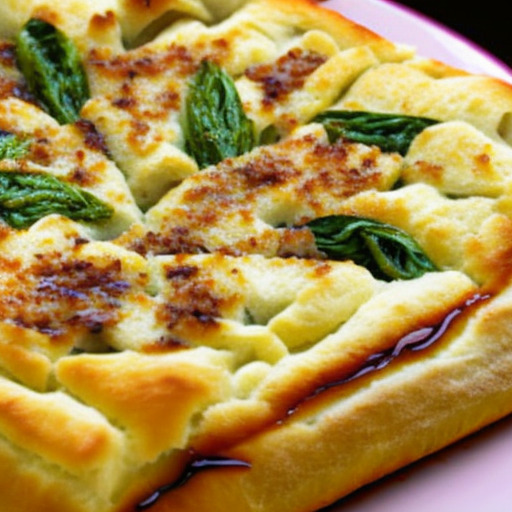
focaccia recipe
The Ultimate Guide to Mastering the Perfect Focaccia Recipe
Introduction
Focaccia bread is an Italian classic that has made its way into kitchens worldwide. Dating back to ancient Roman times, this flatbread was traditionally enjoyed by sailors as a staple food during long voyages at sea. Today, it’s a must-have menu item in Italian restaurants around the world, and with good reason.
Making homemade focaccia from scratch is an incredibly satisfying process, and once you’ve tasted the warm, crispy crust and soft, fluffy interior of your own creation, you’ll never go back to store-bought bread. In this ultimate guide, we’ll take you through everything you need to know to make the perfect focaccia at home.
Ingredients
The key to making delicious focaccia lies in using quality ingredients. Here are all the ingredients you’ll need for one loaf:
- 500g bread flour
- 325ml warm water (between 105-110°F)
- 7g instant yeast
- 50ml olive oil, plus extra for drizzling
- 1 tablespoon salt
Each ingredient serves a specific purpose in making the dough. The bread flour provides gluten for structure, and the yeast helps the dough rise while adding flavor. The olive oil contributes moisture and richness to the dough, while salt enhances flavor and keeps the yeast in check.
Equipment
Making focaccia requires some essential equipment that you might already have in your kitchen:
- Mixing bowl: large mixing bowl for combining all ingredients and kneading the dough.
- Stand mixer or wooden spoon: depending on your preference for mixing and kneading.
- Plastic wrap: to cover the dough during proofing or rising.
- High-sided baking sheet or a deep-dish coated with olive oil: this will serve as your baking pan.
Optional equipment includes a dough scraper, pizza stone, and kitchen scale.
Making the Dough
The first step in making focaccia is mixing and kneading the dough. Follow these steps for great results:
1- Start by adding the flour, yeast, and salt into a large mixing bowl and mix well.
2- Slowly pour warm water and olive oil into the mixture, whisking all ingredients together until a shaggy dough forms.
3- Knead the dough with a mixer fitted with a bread hook for about 6-8 minutes. If you prefer to knead by hand, do so for 10-12 minutes on a floured surface until the dough becomes smooth and elastic.
4-Shape into a ball and transfer it to an oiled bowl, tightly cover it with plastic wrap, and leave it at room temperature for one hour.
Proofing and Rising
Proofing is the process of allowing your dough to rise before baking. It’s essential in bread-making because it gives your loaf time to develop its flavor and texture. Here’s how to do it:
1- Once the dough has been mixed and kneaded properly, it’s time to let it rise. Transfer it to a large mixing bowl that has been coated with olive oil.
2-Cover tightly using plastic wrap or a damp towel to ensure that no air gets in, as this may affect how well your dough rises.
3-Allow the dough to rise in a warm environment, such as in your oven with just its light turned on (no heat) or any other warm place in your kitchen for at least 6 hours (or overnight) until the dough has roughly doubled in size.
Preparing the Pan
Before you can add your toppings, it’s important to prepare your pan properly. Here are some tips:
1- Use a high-sided baking sheet, pre-greased with olive oil, or a deep-dish that’s been coated with oil.
2- Gently stretch or pat the dough into the desired shape before transferring it to the prepared pan.
3- Drizzle extra olive oil on top of the dough to prevent it from sticking to the pan and create a crispy golden crust.
Toppings
One of the best things about focaccia is how versatile it is when it comes to toppings. You can choose any toppings you like; however, having an idea of popular toppings will help you understand which flavors work well together.
Here are a few suggestions to try:
- Fresh herbs: Rosemary, thyme, sage, and basil all taste great on focaccia.
- Sliced garlic cloves: Add a few sliced garlic cloves all over the dough for a flavor kick.
- Sliced onions or shallots: Add some caramelized onions all over or thinly sliced raw shallots for tangy sweetness.
- Olives: Kalamata olives or any other olives variety you enjoy.
- Tomatoes: Below cherry tomatoes for juicy sweetness or sun-dried tomatoes for intense flavors.
- Cheese: Add crumbled feta cheese, grated Parmesan cheese, soft mozzarella slices all over.
When adding toppings to your focaccia, make sure they’re evenly distributed across your dough’s surface.
Baking
Now that your dough is loaded up with toppings, it’s ready for baking. Follow these tips for the best results:
1- Preheat your oven at 425°F and spray or brush some olive oil on the top.
2- Bake for about 20-25 minutes or until the crust is golden brown. To ensure that your bread is ready, tap the bottom of it – a sound indicates that it’s done.
3- Remove the focaccia from the oven, let it rest into the pan in room temperature for 5 minutes before slicing and serving.
Tricks for Achieving Perfect Focaccia
To achieve perfect focaccia bread, follow these tricks:
1- For crispy crust: add a little sugar to your dough during mixing, this will help caramelize the crust during baking. A few ice cubes placed in a tray at the bottom of your oven before baking could also add a crispy crust.
2- For moist crumb: Ensure that your dough has enough moisture by drizzling some olive oil on top of it before baking.
3- Beware of over-kneading: Although it’s crucial to knead dough thoroughly, overworking your dough will cause gluten to break down. Up to twelve minutes would be more than enough with floured hands or stand mixer.
Serving and Storing Focaccia
Fresh focaccia straight from the oven is hard to beat! However, if you have leftovers, here are some storage tips:
1- Store leftover focaccia bread wrapped in foil or in an airtight container, preferably at room temperature.
2- Reheat leftovers by placing them in an oven set to warm temperature for ten minutes.
Focaccia bread can serve as an excellent side dish to soup and salad but can hold up as a sandwich bread too.
Troubleshooting Common Problems with Focaccia
If something goes wrong as you try to make the best focaccia, don’t throw it away yet. Here are some fixes to common problems:
1- Over-proofing dough: If your dough has risen too much, punch it down, reshape it, and let it go through a second rising.
2- Under Proofing: if your dough hasn’t risen enough, it could be due to poor yeast quality or a weak kneading process. Before transferring it to the pan be sure that the dough has significantly increased in size.
3- Tasteless Bread: Consider adding extra salt or herbs into your dough before baking or olive oil on top after baking.
Conclusion
The process of making focaccia bread does require patience and dedication from start to finish, but the result is worth every second invested. Homemade focaccia is more delicious and unique than anything you can ever get pre-made at the store, and this guide will help you achieve restaurant-quality results (or even better!) at home quickly. Happy Baking!
Focaccia Recipe FAQs
What is focaccia?
Focaccia is a flat Italian bread that is similar to pizza dough. It is soft, chewy, and usually flavored with olive oil and salt.
What ingredients do I need to make focaccia?
- Flour
- Yeast
- Salt
- Olive oil
- Water
Can I add toppings to my focaccia?
Absolutely! Focaccia is traditionally seasoned with olive oil and salt, but you can top it with any ingredients you like. Some popular choices include rosemary, garlic, onions, cheese, and tomatoes.
How long does it take to make focaccia?
Making focaccia dough takes about 10 minutes, but the dough needs time to rise before baking. Depending on the recipe you choose, rising can take anywhere from an hour to several hours. Baking usually takes between 20-30 minutes.
How do I store leftover focaccia?
You can store leftover focaccia in an airtight container at room temperature for 1-2 days. You can also freeze it for up to 1 month.
Can I make focaccia without yeast?
While yeast is a key ingredient in traditional focaccia recipes, there are alternative recipes that use baking powder or sourdough starter instead. Keep in mind that this will impact the flavor and texture of the final product.
Is homemade focaccia healthier than store-bought?
Homemade focaccia allows you to control the ingredients, especially the amount of salt and oil used. This can make it a healthier option than store-bought focaccia, which may contain preservatives and greater amounts of salt and oil.