pizza recipe
Ultimate Pizza Recipe: Crafting the Perfect Slice Every Time
Introduction
Pizza - the quintessential comfort food that is enjoyed by people all over the world. Originating in Italy, pizza has transformed and evolved into various styles and flavors over time. While there’s no shortage of pizza places around, there’s something special about homemade pizza that makes it worth the effort. In this article, we’ll take you through everything you need to know to make a lip-smacking homemade pizza every time.
The Dough
The dough is undoubtedly the most vital part of a pizza, as its texture and flavor could make or break the pizza. Here’s how to perfect your dough making skills:
Ingredients:
- 3 ½ cups of all-purpose flour
- 1 ½ teaspoons salt
- 1 teaspoon sugar
- 1 tablespoon olive oil
- 1 tablespoon active dry yeast
- 1 ⅓ cups warm water (around 110°F)
Instructions:
- In a mixing bowl, combine the flour with salt and sugar.
- Dissolve yeast in warm water and let sit for about 5 minutes.
- Add the mixture of yeast and warm water to the flour mixture along with one tablespoon of olive oil.
- Mix the ingredients well with a wooden spoon until it turns into sticky dough.
- Sprinkle some flour on a flat surface before taking out the dough from the bowl.
- Knead the dough for about 10 minutes until it becomes smoother and feels elastic.
- Place the kneaded dough in a clean mixing bowl and brush it lightly with olive oil.
- Cover the mixing bowl with plastic wrap or a damp towel and allow it to rest for about an hour in a warm place. The dough should rise and double in size after an hour.
Tips:
- Ensure that all ingredients are at room temperature before starting.
- Kneading dough is important, but avoid overdoing it, as excessive kneading could make the dough chewy instead of crispy.
- Covering the dough is critical while resting, as it would stop the surface from drying out and developing a skin on top.
The Sauce
The sauce provides the foundational flavor for your pizza.
Ingredients:
- 28-ounce canned whole tomatoes (San Marzano preferred)
- 2 cloves of garlic, minced
- 1 teaspoon dried oregano
- 1 teaspoon dried basil
- Salt, as per taste
Instructions:
- Pour the canned tomatoes into a large mixing bowl and crush them with your hands. It’s essential that they’re not blended or put through a food processor so that there’s still texture in the sauce.
- Add minced garlic, dried oregano and basil and salt to taste to the tomatoes mixture.
- Mix everything thoroughly until combined well.
Tips:
- If San Marzano tomatoes are unavailable, you can use any canned tomatoes.
- Adding sugar to the sauce could reduce acidity and provide a balanced sweetness.
- If you’re making a white pizza, leave out the sauce.
The Toppings
The toppings are where you can get creative and give your pizza a personal touch.
Different types of toppings and their combinations:
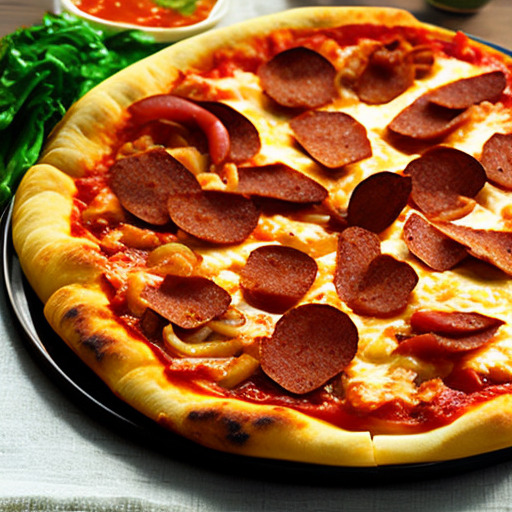
- Meat: Pepperoni, sausage, bacon, chicken, ham.
- Cheese: Mozzarella, parmesan, feta, cheddar or provolone.
- Veggies: Bell peppers, mushrooms, onions, tomatoes, olives, spinach or artichoke hearts.
- Fruit: Pineapple for the classic Hawaiian style pizza or figs on top of goat cheese.
Vegetarian and vegan options for toppings:
- Tofu crumbles as a replacement for meat in the sauce.
- Nutritional yeast instead of cheese.
- Vegetables like zucchini or eggplants can be incredibly flavorful on top of pizzas.
Ideas for using leftovers in unique pizza topping creations:
- Salsa and chicken leftover? Use them as toppings with some jalapenos on your next pizza!
- Any kind of roasted vegetables can find their place perfectly in pizzas.
- If you have leftover baked potatoes and pesto from another dish - mix them together and add it as a topping!
Cheese
Cheese adds to the flavor profile by enhancing the texture and cheesiness.
Importance of using fresh, quality cheese:
Fresh cheese melts better and spreads more evenly across the pizza. Quality cheese will give a more nuanced flavor and texture.
Types of cheese traditionally used on pizzas:
- Mozzarella: A classic addition to any traditional pizza.
- Parmesan: This hard, aged cheese gives the perfect finishing touch to many pizzas.
- Cheddar: Adds a sharp, tangy flavor to pizzas and pairs well with vegetables or smoky bacon.
Combination ideas for various cheese types:
- Cheddar and feta together would make a killer combo when topped over pepperoni.
- Mozzarella mixed with Parmesan would create that perfectly crisp crust you’re looking for.
The Oven
A suitable oven setup is crucial in making a delicious homemade pizza.
Recommendations on ovens suitable for pizza making:
If you don’t have a dedicated pizza oven at home, gas or electric fan ovens work great. If you plan to make pizzas regularly, buying a baking stone could be worth it.
Tips on using different kinds of ovens (gas or electric oven, baking stone):
- If using an electric oven and the crust isn’t crispy enough after cooking at high temperatures for an extended period - try placing the pizza directly on the oven rack before baking.
- Baking stones ensure proper heating at the base of the pizza due to their ability to absorb moisture functionality.
Baking the Pizza
Baking a pizza could seem daunting, but with the right steps, you’ll have the perfect pizza in no time.
Optimal temperatures and times for baking pizza:
Preheat your oven to 500°F or as high as it will go at least 30 minutes before baking. The cook time ranges from 10-15 minutes depending on what dough recipe is used.
How to check if a pizza is fully cooked:
- The crust should be golden brown in color
- The cheese should be melted and bubbling
- You can lift up the corner of the crust to check if it’s crispy and cooked through
Steps to achieve a crispy crust every time:
- Bake the pizza on a preheated pizza stone or upside-down sheet tray if you don’t have one.
- Avoid overloading your pizza with toppings, which could lead to a soggy crust.
- If you like a crispy crust that’s slightly charred in parts, brush some olive oil around the edge of the dough before placing it in the oven.
Presentation
Presentation may not affect the taste, but a well-presented pizza could get your mouth watering even before taking the first bite.
Arrangement and placement of toppings:
- Distribute toppings as evenly as possible throughout the surface.
- Some toppings like fresh herbs or salad greens could be added post-bake for extra freshness and added textures.
- Place any longer vegetables like asparagus in just one direction across the round surface for easier slicing after baking.
Ideas for cutting and serving your pizza like a pro:
- Cut pies into wedges or squares depending on your group size and ease of consumption.
- Use a pizza cutter or a sharp knife to avoid excess pressure on the pizza, which could cause the toppings or sauce to slide off the top.
- Garnish with extra cheese or fresh herbs like basil for an attractive appearance and added flavor.
Storing Leftover Dough and Pizzas
Store the dough and leftover baked pizzas correctly to enjoy them over multiple meals.
Methods to store leftover pizza dough:
- Wrap the dough tightly with plastic wrap and freeze in a plastic bag after it has risen. Store it for up to 1 month before use.
Techniques to store leftover baked pizzas safely without drying out or losing flavor:
- Store any uneaten pizza in an airtight container with a piece of paper towel secured over the pizza crust.
- Reheat using a microwave (not recommended), oven, stovetop, or toaster oven as each has its own advantages and disadvantages.
Common Mistakes to Avoid
Mistakes are normal but curbing them could help achieve that ultimate slice in less time and with better flavor.
Most common mistakes made during the pizza-making process:
- Rushed dough resting times that create hard-to-stretch doughs
- Cheese tending to brown far too quickly - Adjusting oven temperatures can take care of this
- The overloading of toppings causing soggy crusts - stick to a few high-quality ingredients instead of piling up everything in your pantry.
Solutions to avoid or fix each mistake:
- Cooking the dough for a few minutes before adding toppings helps create a crust or parbaking before adding toppings.
- Cover the cheese with other toppings during baking so hot air won’t cause it to cook quickly.(Golden brown edges will tell you it’s ready).
- A little bit of patience while making pizza could pay you dividends in the end. Start with the basics like cheese and pepperoni.
Enjoying Your Homemade Pizza with Family/Friends
Pizza is one of those dishes that bring people together. Follow our guidelines, and you’ll enjoy restaurant-quality pizza at home.
Best accompaniments that go well with freshly baked pizzas (beverages, salads):
- Pair your pizza with red wine or beer depending on your preference.
- Fresh greens or a lightly dressed salad can offer a refreshing break from all the salty goodness of the pizza.
- Garlic knots as an appetizer or some breadsticks as sides are always crowd favorites.
Serving suggestions based on preferences and dietary restrictions:
- The individual serving size is best for people on a diet or trying not to overindulge.
- For groups, you can make different kinds of pizzas catering to any possible dietary needs.
- For vegan eaters, explore plant-based cheeses and meats.
Conclusion
It’s always nice to know what’s in your food’s ingredients, and homemade version also has that comforting feeling added to its taste. By following the instructions we’ve detailed in this recipe, you’re on your way to making a perfectly delicious pizza anytime you want. So let the games begin and enjoy experimenting!
Frequently Asked Questions (FAQs) about Pizza Recipe
1. What are the ingredients needed for a basic pizza recipe?
A basic pizza recipe includes flour, yeast, salt, sugar, water, tomato sauce, mozzarella cheese, and toppings of your choice such as pepperoni, mushrooms, onions, and bell peppers.
2. Do I need a pizza stone to make pizza at home?
A pizza stone is not a requirement but using it helps distribute heat evenly resulting in a crisp crust. However, you can also use baking sheets to make pizza.
3. Can I make pizza dough in advance?
Yes! You can make the dough one day before and store it in an air-tight container in the fridge. This allows for slow fermentation which enhances the flavor of the crust.
4. How should I store leftover pizza?
Store leftover pizza in an airtight container or wrap it tightly in plastic wrap and keep it in the refrigerator for up to four days. You can also freeze it to prolong its shelf life by wrapping each slice with plastic wrap then aluminum foil.
5. Can I substitute all-purpose flour with whole wheat flour?
Yes! Whole wheat flour adds a nutty flavor and extra fiber to your crust but it needs more water than all-purpose flour so you might want to adjust your recipe accordingly.
6. How long should I let my dough rest before rolling it out?
The dough should rest for at least 30 minutes once kneaded before rolling it out. This gives gluten time to relax making the dough easier to handle and preventing shrinkage during baking.
7. How do I avoid soggy pizza?
To avoid having a soggy pizza, make sure not to overload it with toppings. Also, preheat your oven at the maximum temperature, use a pizza stone or baking sheet, and spread tomato sauce thinly.