fudge recipe
The Ultimate Fudge Recipe: How to Make Perfect Fudge at Home
Fudge is a classic treat that’s perfect for any occasion. Whether it’s a holiday, birthday, or just a random craving, fudge is an indulgent and delightful way to satisfy your sweet tooth. Making homemade fudge may seem daunting, but with the right recipe and some helpful tips, anyone can make perfect fudge at home. In this article, we’ll provide you with everything you need to know about making fudge from scratch, including ingredients, equipment, variations on the basic recipe, troubleshooting tips, presentation ideas, storage options, healthier alternatives, using fudge in baked goods, and even fudge-related activities!
Introduction
Fudge is a popular confectionery treat made from butter, sugar, and chocolate (or cocoa powder). While its exact origin is unknown, it’s believed that fudge was invented in the United States in the late 1800s. Legend has it that a batch of caramels was accidentally “fudged” when the cook didn’t stir them enough. Despite this culinary mishap, people loved the creamy texture and rich flavor of the resulting caramel-flavored fudge. Since then, various flavors and styles of fudge have emerged around the world. Today, fudge remains a beloved treat for many people who enjoy its smooth texture and rich taste.
Ingredients and Equipment
Making smooth and creamy fudge requires certain ingredients and equipment. Here’s what you’ll need:
Essential ingredients for making fudge:
- Granulated sugar
- Brown sugar
- Butter
- Heavy cream or evaporated milk
- Salt (optional)
- Chocolate chips, chopped chocolate, or cocoa powder
- Vanilla extract (optional)
Equipment needed to make fudge:
- Heavy-bottomed saucepan or pot
- Candy thermometer (optional but helpful)
- Mixing bowl
- Spatula or wooden spoon
- Baking dish or pan
Types of chocolate and sugar to use:
The type of chocolate and sugar you use will affect the flavor and texture of your fudge. Here are some options:
- Semisweet or bittersweet chocolate: This type of chocolate contains less sugar than milk chocolate and has a more robust flavor. It’s ideal for making dark chocolate fudge.
- Milk chocolate: This type of chocolate is sweeter and creamier than semisweet or bittersweet. It’s perfect for making milk chocolate fudge.
- White chocolate: Made from cocoa butter, sugar, and milk solids, white chocolate has a mild flavor that pairs well with other ingredients like nuts, fruits, and spices.
- Granulated sugar: This is the most common type of sugar used in fudge recipes. It dissolves easily in liquid and gives fudge its smooth texture. Brown sugar can be used instead for a richer flavor.
Basic Fudge Recipe
Now that you have the necessary ingredients and equipment, let’s tackle the basic recipe for making delicious homemade fudge! Here’s how:
1. Preparing the pan and ingredients:
- Line an 8×8 inch baking dish or pan with parchment paper or aluminum foil. Be sure to leave some overhang on the sides to easily lift out the fudge later.
- Measure and chop all of your ingredients before you start cooking. This makes the process go more smoothly.
2. Melt chocolate and butter:
- In a heavy-bottomed saucepan, melt 2 cups of semisweet chocolate chips or chopped chocolate with 1/2 cup (1 stick) of unsalted butter. Stir occasionally until smooth and fully melted.
3. Mix in remaining ingredients:
- Pour in one can of sweetened condensed milk and stir to combine.
- Add 1 teaspoon of vanilla extract (optional).
- Add a pinch of salt (optional).
- Stir in any additional mix-ins, such as nuts, candy pieces, or marshmallows.
4. Spread mixture into prepared pan and chill:
- Pour the chocolate mixture into the prepared pan and smooth it out evenly with a spatula or back of a spoon.
- Place the fudge in the refrigerator to chill for at least 2-3 hours (or overnight) until it’s firm.
- Once chilled, use the overhanging parchment paper or foil to lift the fudge out of the pan and onto a cutting board.
- Cut into desired size pieces using a sharp knife.
Tip: Avoid overmixing your fudge once you’ve added the condensed milk, as this can cause it to become grainy.
Variations on the Basic Recipe
Once you have mastered the basic recipe for fudge, it’s fun to experiment with different flavors and mix-ins to create unique and delicious treats. Here are some creative flavor combinations to try:
Peanut Butter Fudge:
- Follow the basic recipe but replace half of the chocolate chips with peanut butter chips. Mix in 1/2 cup of creamy peanut butter.
- If desired, stir in chopped Reese’s Peanut Butter Cups or peanuts for extra crunch and flavor.
Mint Chocolate Chip Fudge:
- Follow the basic recipe but replace half of the chocolate chips with white chocolate chips.
- Add 1 teaspoon of mint extract and a few drops of green food coloring (optional).
- Stir in chopped Andes Mints or crushed peppermint candy canes for a festive touch.
Vanilla Bean Fudge:
- Replace the chocolate chips with white chocolate chips and add 1 teaspoon of vanilla bean paste or scrape seeds from 1 vanilla bean into the mixture.
- Stir in a handful of sprinkles or rainbow-colored nonpareils for a fun and colorful twist on classic vanilla fudge.
Salted Caramel Fudge:
- Melt 2 cups of chopped semisweet chocolate with 1/2 cup of unsalted butter as directed in the basic recipe.
- In a separate saucepan, heat 1 can of sweetened condensed milk, 1/2 cup of brown sugar, and 1/4 cup of heavy cream over medium-high heat until mixture thickens and turns caramel-colored, stirring constantly. Remove from heat.
- Pour caramel mixture over melted chocolate mixture and stir until fully combined.
- Sprinkle coarse sea salt on top of fudge before refrigerating to chill.
Troubleshooting Tips
Even seasoned fudge-makers can encounter some common issues when making fudge. However, by knowing what to look for and how to fix problems, you’ll be on your way to making perfect fudge every time.
Problem #1: Grainy texture
- Solution: Fudge that’s too grainy may be a sign that the sugar didn’t dissolve properly. This can happen if the mixture isn’t cooked long enough or if you forgot to stir it frequently. To fix this, try whisking or beating the mixture vigorously while it’s still warm until it becomes smooth and shiny.
Problem #2: Crumbly fudge
- Solution: If your fudge is dry and crumbly instead of smooth and creamy, it could be due to too much evaporation during cooking or insufficient mixing. To fix this, try adding a small amount of liquid (such as condensed milk) and reheat over low heat while stirring until the mixture becomes smooth again.
Problem #3: Overcooked or burned mixture
- Solution: If you cook the mixture for too long or at too high heat, it can become burned and ruin the final product. To avoid this issue, use a reliable candy thermometer and remove the mixture from the heat once it reaches 235-240°F (soft-ball stage). If you don’t have a thermometer, watch for visual cues such as a thickened texture and color change from shiny to dull.
Problem #4: Too soft or runny
- Solution: Fudge that doesn’t set properly can be due to several factors, such as not cooking the mixture long enough or not chilling it for a sufficient period. To fix this, try reheating the fudge gently (over low heat) then stirring in a small amount of powdered sugar until the mixture thickens. Re-chill the fudge until fully set.
Fudge Presentation Ideas
Once you’ve made a batch of delicious fudge, it’s time to think about how to present and serve it for maximum impact. Here are some ideas:
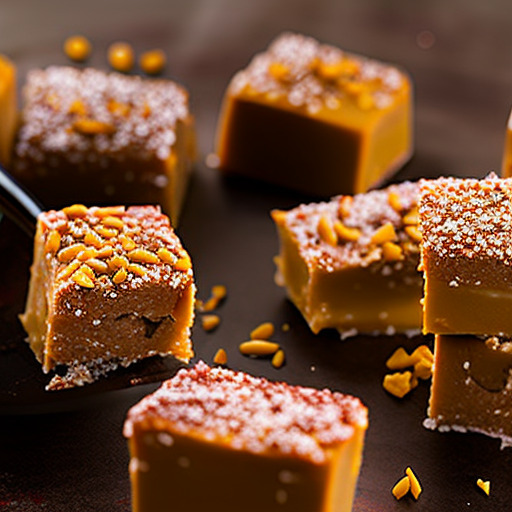
- Adding sprinkles or nuts on top of the fudge is an easy way to add color and texture.
- Cutting fudge into different shapes (such as squares, triangles, or diamonds) can make it look more professional and appealing.
- Wrapping up small squares of fudge in pretty packaging is great for gift-giving or as party favors.
Storing and Shipping Fudge
Fudge is best stored properly to maintain its flavor and texture over time. Here are some tips for storing and shipping your homemade fudge:
Tips for keeping your fudge fresh:
- Store in an airtight container in the refrigerator for up to 2 weeks.
- You can also freeze your fudge for longer storage (up to 1-2 months). Allow it to thaw at room temperature before serving.
Guidelines for shipping homemade fudge:
- Packaged the chilled or frozen fudge tightly with bubble wrap or packing peanuts to avoid shifting of candies.
- If necessary, keep the package of ice with it so that the candy does not get spoil during transit.
Vegan and Healthier Alternatives
If you’re looking for vegan or healthier alternatives to traditional fudge, here are some options:
Vegan substitutions for butter and cream:
- Coconut oil: Substitute coconut oil for butter to create a dairy-free fudge. This also imparts a subtle coconut flavor.
- Coconut cream or almond milk: Substitute coconut cream or almond milk for heavy cream to make a vegan fudge that’s still smooth and creamy.
Substituting healthy sweeteners like honey, maple syrup, or coconut sugar:
- Honey and maple syrup: These natural sweeteners can be substituted for sugar to reduce the glycemic index of your fudge. Use ¾ cup of honey or maple syrup instead of 1 cup of granulated sugar, and adjust the recipe as needed for consistency..
- Coconut sugar: This low-glycemic alternative is a healthier option than refined white sugar. Replace with an equal amount to granulated white sugar.
Using Fudge in Baked Goods
Fudge isn’t just delicious on its own-it can also be incorporated into baked goods for added flavor and texture. Here are some recipes that use fudge:
Chocolate Fudge Brownies:
- Add chopped fudge pieces to brownie batter for an extra-rich and indulgent dessert.
| Ingredients | Instructions |
| * 12 ounces chopped semisweet chocolate * | Preheat oven to 350 degrees F (175 degrees C). Grease and flour an 8-inch baking pan. In a small saucepan over medium low heat, melt chocolate chips and butter; add vanilla and set aside to cool slightly. Combine flour, sugar, baking powder, and salt in a large mixing bowl. Add melted chocolate mixture and stir until combined. Fold in fudge pieces until they are evenly distributed throughout the batter. Pour batter into prepared pan and bake for 25-30 minutes or until a toothpick inserted into the center comes out clean. |
Fudge Swirl Cheesecake:
- Make cheesecake more decadent by swirling in chunks of fudge. This is perfect for impressing guests or indulging yourself.
- Melt fudge in another mixing bowl. Add ⅓ of the cream cheese mixture to the fudge and mix together gently.
- Spoon dollops of the chocolate mixture into the cheesecake batter, then swirl gently to create fudge streaks.
Pour mixture into prepared pan and bake for 55-60 minutes or until edges are lightly golden and center is almost set.
| Ingredients | Instructions |
| * 1½ cups graham cracker crumbs * | Preheat oven to 350 degrees F (175 degrees C). Grease a 9-inch springform pan. For crust: Combine graham cracker crumbs, sugar, and melted butter in a bowl. Press mixture into the bottom of greased pan. Bake for 8-10 minutes, or until crust is set. For filling: Beat cream cheese and sugar together in a mixing bowl until smooth. Add eggs one at a time, mixing after each addition. Stir in vanilla extract. |
Fudgy Nut-filled Cookies:
- Incorporating chopped fudge pieces into cookie dough will create chewy and gooey treats that are perfect for sharing.
- Chocolate fudge
- Vanilla fudge
- Peanut butter fudge
- Maple fudge
- Coffee fudge
| Ingredients | Instructions |
| * 1/2 cup softened butter * | Preheat oven to 350 degrees F (175 degrees C).Line a baking sheet with parchment paper. In a mixing bowl, cream butter, brown sugar Frequently Asked Questions about Fudge Recipe1. What is fudge?Fudge is a sweet and creamy confection made from sugar, butter, milk, and flavorings such as chocolate or vanilla. It has a rich and dense texture that melts in your mouth. 2. What are the different types of fudge?3. Is making fudge difficult?Making fudge is not difficult if you follow the recipe and instructions carefully. However, it requires constant stirring and temperature monitoring to get the right consistency. 4. Can I use microwave to make fudge?Yes, you can make fudge in a microwave but it requires frequent stirring to avoid scorching and uneven cooking. It’s recommended to use a stovetop method for better results. 5. How long does it take to make fudge?The preparation of fudge takes around 10 minutes, but the cooking and cooling time can take up to an hour or more depending on the recipe and desired consistency. 6. How do I store my homemade fudge?Store your homemade fudge in an airtight container at room temperature or in the fridge for up to two weeks. You can also freeze it for longer storage. 7. Can I add nuts or fruits to my fudge recipe?Yes, you can add nuts, raisins, shredded coconut, or candy bits to your fudge recipe to add more flavor and texture. It’s best to fold in the add-ins after cooking the fudge and before cooling it. |