
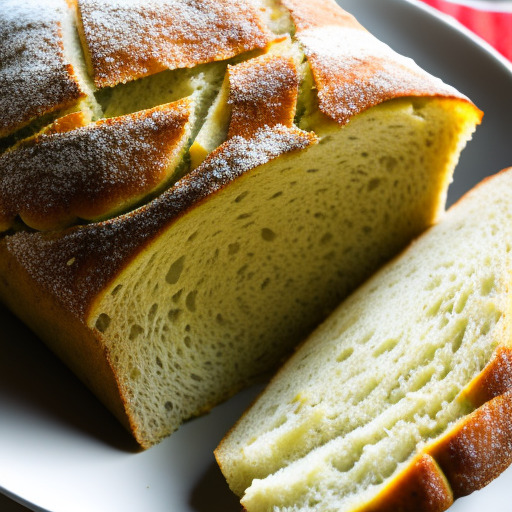
Gluten-Free Bread Recipe: A Delicious Alternative to Traditional Bread
Introduction
Gluten-free bread is a type of bread that doesn’t contain gluten, a protein found in wheat, barley, and rye. People with gluten intolerance or celiac disease can’t consume gluten-containing foods since it causes damage to their small intestines, leading to various health problems. However, they deserve to have tasty bread without worrying about the symptoms and adverse effects associated with gluten.
The popularity of a gluten-free lifestyle is on the rise since more people are becoming aware of the benefits of avoiding gluten. A gluten-free diet has shown to improve digestive health, reduce inflammation, boost energy levels, and support weight loss efforts.
Understanding Gluten-Free Bread
Gluten plays a vital role in conventional bread-making by providing elasticity and structure to the dough, leading to fluffy and soft loaves of bread. In contrast, gluten-free bread requires a mixture of other ingredients that provide similar characteristics without using gluten.
Gluten-free flour blends usually comprise combinations of rice flour, corn starch, potato starch, tapioca starch, sorghum flour, almond flour, coconut flour, and xanthan gum. Xanthan gum serves as a thickener and emulsifier that replaces the binding function provided by gluten.
However, baking with gluten-free flour can be challenging since it lacks the fibers and proteins found in wheat flour that create uniform texture and consistency. Gluten-free baked goods may turn out dense or crumbly if not handled with care.
Ingredients Needed
To make healthy and delicious gluten-free bread at home, you will need:
- 2 cups of all-purpose gluten-free flour blend (such as Bob’s Red Mill or Cup4Cup)
- 1 packet instant yeast (or 2 and 1/4 teaspoons)
- 1/4 cup granulated sugar
- 1 teaspoon salt
- 3/4 cup warm water (around 100°F)
- 2 large eggs, room temperature
- 1/4 cup vegetable oil (or melted coconut oil)
All these ingredients are available at local supermarkets or specialty stores dedicated to providing gluten-free products.
Basic Recipe for Gluten-Free Bread
Here is a straightforward recipe for gluten-free bread that you can customize to achieve the taste and texture you prefer.
Ingredients:
- 2 cups of all-purpose gluten-free flour blend
- 1 packet instant yeast (or 2 and 1/4 teaspoons)
- 1/4 cup granulated sugar
- 1 teaspoon salt
- 3/4 cup warm water (around 100°F)
- 2 large eggs, room temperature
- 1/4 cup vegetable oil (or melted coconut oil)
Instructions:
- In a mixing bowl, combine the flour, yeast, sugar, and salt. Mix until well combined.
- Add warm water, eggs, and oil. Mix using an electric mixer for around three minutes on medium speed until the dough becomes smooth and sticky.
- Scoop the dough into a pre-oiled loaf pan (8.5 x 4.5-inch size). Smooth the top by using damp hands or a spatula dipped in water.
- Cover the pan with a towel or plastic wrap and let it rise in a warm place for 45-60 minutes or until the dough doubles in size.
- Preheat your oven to 350°F. Bake the bread for 40-45 minutes, or until golden brown on top and bottom. You can check if it’s ready by tapping the bread – if it sounds hollow, then it’s done.
- Remove the bread from the oven and cool it in the pan for around ten minutes before slicing and serving.
Variations of Gluten-Free Bread
One of the advantages of baking gluten-free bread is its flexibility, allowing you to make different types of bread with varying textures, flavors, and shapes.
Sourdough:
Use a sourdough starter instead of yeast to give your bread an earthy flavor. active Sourdough cultures consume starches, breaking them down into acetic and lactic acid that provide tangy notes to bread.
Ciabatta:
Ciabatta is a type of Italian loaf that features an irregular shape characterized by big air pockets distributed throughout the loaf. Mix wet and sticky dough made with gluten-free flour; allow the dough first to rest and then spread it out over a flat surface before baking.
Pizza Crust:
Pizza crust is more firm than other types of bread. Mix gluten-free dough with a little bit less water than usual, roll it out thinly, place toppings (sauce first) on top, and bake at 425°F until done.
You can also add flavors like herbs or dried fruits to your gluten-free bread to enhance its taste. Mix in rosemary, oregano, thyme, or chia seeds to achieve a unique and memorable loaf.
Tips to Achieve Delicious Results
Follow these tips to get bread that’s delicious and healthy:
- Use a digital scale to measure all ingredients accurately. It ensures that the ratio of wet to dry ingredients is correct.
- Ensure your gluten-free flour blend is fresh by checking the use-by date before using it.
- Room-temperature eggs work best since they bond better with the dough, leading to even texture and a nicely risen bread.
- Allow for one rise phase only: gluten-free dough should sit in a warm environment under a damp towel for 45 -60 minutes only once.
- Preheat the oven well in advance before baking so that it reaches the desired temperature accurately.
- Cover the bread with foil if it browns too quickly or cover it with a lid of your dutch oven or cast iron skillet when baking other types of bread to promote steam rise which improves crust formation and overall texture of bread.
Health Benefits of Gluten-Free Bread
Gluten-free bread offers various benefits to those on a gluten-free diet, including:
- Eases digestive complications caused by celiac disease.
- Decreases inflammation and gut permeability in people with non-celiac gluten sensitivity (NCGS).
- Lowers risk of autoimmune diseases, lowering blood pressure, and supporting weight loss efforts.
- Increase energy levels due to lack of pain and discomfort associated with gluten intolerance.
On top of these benefits, gluten-free bread made at home doesn’t contain preservatives, artificial flavorings, or additives commonly found in commercial baking products.
Gluten-Free Flour Alternatives
There are plenty of gluten-free flour options available for people baking at home, with each type having its unique characteristics. Some of the most popular ones are:
Rice Flour:
Made from ground rice grains, this versatile flour is a must-have ingredient for gluten-free baking due to its smooth texture and neutral taste.
Buckwheat Flour:
It’s gluten-free and wheat-free, which makes it ideal for people with celiac disease. It’s nutty, earthy flavor works well in making gluten-free breads and pancakes.
Almond Flour:
For those wanting to avoid grains altogether, almond flour is a suitable option. Nutty and flavorful on its own, almond flour is an excellent choice for making pie crusts and savory dishes.
Gluten-Free Bread Products
Several brands offer packaged gluten-free bread that you can purchase if you don’t feel like baking at home. Some popular ones include:
- Canyon Bakehouse
- Udi’s Gluten Free
- Schar’s gluten-free breads
- Milton’s Craft Bakers Gluten-Free Crackers
- Food for Life’s Brown Rice Bread
These products usually come in different flavors and types, including bread, bagels, buns, muffins, pizza crust, and crackers.
Frequently Asked Questions (FAQs)
Q: Is gluten-free bread healthier than regular bread?
A: Gluten-free bread can be healthier than regular bread since it doesn’t contain gluten that can cause inflammation for people who have celiac disease or non-celiac gluten sensitivity. However, gluten-free bread is not inherently healthier; it depends on the ingredients used.
Q: How many calories in one slice of gluten-free bread?
A: One slice of gluten-free bread contains about 110-120 calories, depending on the brand.
Q: Are all gluten-free bread loaves small?
A: No. Some brands offer bigger loaves of bread than others. It depends on the recipe and ingredients that create a more dense or less dense bread.
Conclusion
Gluten-free bread is an exciting alternative to traditional bread, allowing you to enjoy baked goods without worrying about gluten-sensitivity symptoms. By understanding the benefits of gluten-free bread and various baking techniques, you can create loaves that are both delicious and healthy. Hopefully, by following this simple recipe and our tips, you will have success in making your perfect gluten-free bread at home!
Frequently Asked Questions About Gluten-Free Bread Recipe
1. Why is gluten-free bread harder to make?
Gluten-free bread is challenging to make because gluten is the protein responsible for giving wheat flour its elasticity and structure. It takes a combination of different flours, binders, and leavening agents to substitute for gluten in a recipe, making it more complicated than traditional bread.
2. What flours can I use in a gluten-free bread recipe besides rice flour?
Besides rice flour, there are many other flours you can use in a gluten-free bread recipe. Some popular options include almond flour, buckwheat flour, chickpea flour, cornmeal, millet flour, sorghum flour, and tapioca starch.
3. What are common binders used in gluten-free bread recipes?
Common binders for gluten-free bread include xanthan gum and psyllium husk powder. These ingredients help to hold the dough together and provide structure to your loaf.
4. Can I make gluten-free bread without yeast?
Yes! Many gluten-free bread recipes use baking soda or baking powder as their leavening agent instead of yeast. However, keep in mind that these recipes may produce denser loaves than those made with yeast.
5. How can I avoid having a gummy texture in my gluten-free bread?
Gummy texture is a common issue when making gluten-free bread because of the absence of gluten. To avoid this problem, make sure you don’t overmix your dough as this can make it gummier. Also, try adding some vinegar to your recipe as it helps improve crumb structure and texture.