paella recipe
The Ultimate Guide to Making Authentic Paella
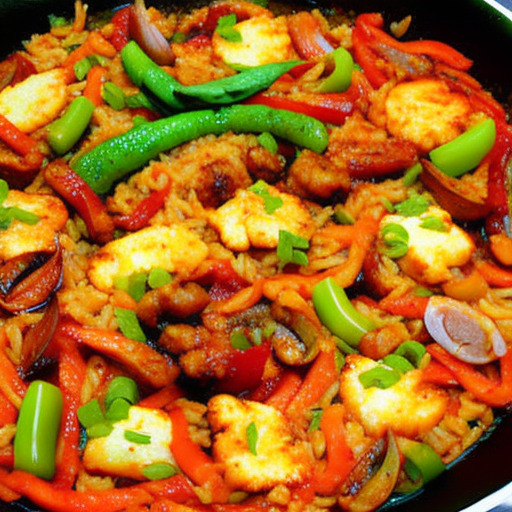
Paella is a famous Spanish dish that has become popular around the world. It is a delicious and hearty meal that originates from Valencia, Spain. Paella is known for its bright yellow color, a result of the saffron used in the recipe. This rice-based dish can be made with a variety of ingredients, but always includes saffron and other flavorful spices. In this guide, we will walk you through everything you need to know to master the art of making authentic paella from scratch.
Introduction
Paella is more than just a rice dish - it’s a symbol of Spanish cuisine and culture. The history of paella dates back to the 18th century when peasants cooked it over an open fire in the fields around Valencia. Now, it’s a signature dish in Spain and a staple on menus worldwide.
Making paella from scratch can seem daunting at first, but it’s worth the effort. Nothing beats the taste of homemade paella cooked over an open flame with fresh, high-quality ingredients. This ultimate guide will provide you with all the knowledge and tips needed to make authentic paella at home.
Ingredients
To make authentic paella, you’ll need a combination of traditional and modern ingredients. The essential ingredients are rice, saffron, broth/stock, olive oil, and paprika.
Traditional vs Modern Ingredients
Traditionally made paella uses chicken or rabbit for protein, but seafood is typically used in coastal regions. Nowadays, modern variations include vegetarian and vegan options as well as meatless varieties that incorporate quinoa or cauliflower rice instead of traditional white rice.
Essential Ingredients to Make Paella
Rice: Short-grain Spanish Bomba rice is preferred as it absorbs up to three times its weight in liquid without overcooking or becoming mushy.
Saffron: This spice gives the paella its signature bright yellow hue. Do not use artificial saffron, as it will not achieve the same taste or color.
Broth/Stock: The broth/stock provides the base flavor for the dish. Use homemade or high-quality store-bought chicken, vegetable, or seafood broth.
Olive Oil: This is used for frying the protein and vegetables and provides a rich, fruity flavor to the paella.
Paprika: Smoked paprika adds depth of flavor and a beautiful golden-red hue to the dish.
Optional Ingredients
Adding meat (chicken, rabbit, or pork), seafood (shrimp, mussels, squid), and vegetables (tomatoes, peppers, peas) can help enhance the flavors of your paella.
Equipment and Tools
Having the right equipment is essential when making paella. It’s important to use a paellera (paella pan) as it allows for even heat distribution throughout the pan.
Paellera: Types and Sizes
Paelleras are specifically designed to cook paella; they are wide with shallow sides. They come in various sizes from 8 inches to 24 inches wide.
Other Equipment Needed
It is crucial to have an outdoor gas burner or stove capable of holding a large paellera. There will also be a need for a wooden spoon or spatula for stirring the rice during cooking.
Preparing the Ingredients
Before you begin cooking your paella, it’s essential to prepare all ingredients meticulously.
Soaking the Rice
Soak the rice with enough water so that it is entirely covered for about 30 minutes or as per the instructions. This method allows the rice to absorb water and shorten cook time.
Cleaning and Preparing the Protein and Vegetables
Wash, clean, and cut up all proteins and vegetables before starting to cook.
Infusing Saffron and Paprika in Broth/Stock
Warm up broth/stock (homemade or store-bought) in a small saucepan with crushed saffron threads. Let sit on low heat for 5-10 minutes to allow the saffron to infuse flavor into the liquid.
Cooking The Paella
Cooking paella requires patience, attention, and practice. Follow these steps to ensure that your paella comes out perfectly crispy and flavorful every time.
- Heat up the paellera over medium-high heat with enough olive oil to coat the bottom of the pan.
- Add minced garlic and onions to the paellera and sauté until softened but not browned.
- Add your protein (meat, seafood, or vegetables) to the pan and cook until browned.
- Add rice to the pan and stir well so that rice is evenly coated in oil.
- Pour in broth/stock with saffron and paprika and give everything a good stir.
- Arrange seafood (if using) on top of the rice mixture. The seafood is added 5-8 minutes before completing cooking.
- Monitor heat throughout cooking to prevent burning or sticking. Cook until the rice has absorbed all liquid (20-25 minutes).
- Remove from heat when a socarrat forms - a caramelized crispy crust at the bottom of the paellera.
Serving and Enjoying Paella
Serving paella correctly is essential to make your guests feel like they’re dining in Spain. Follow these tips to present your paella perfectly:
- Use a wooden spoon to serve paella straight from the pan.
- Do not stir the rice before serving to prevent breaking up socarrat.
- Allow resting time before serving (5-10 minutes) to ensure even cooking and better incorporation of flavors.
- Accompany your paella with aioli, lemon wedges, or fresh herbs such as parsley or cilantro.
Common Mistakes When Making Paella
Paella can be challenging to master, even for experienced cooks.
- Overcooking or undercooking the rice is one of the most critical mistakes people make when preparing paella. Keep a close eye on the cooking process, so that you can add liquid or adjust heat as necessary.
- Stirring the rice during cooking can lead to mushy and unevenly cooked grains.
- Using the wrong type of rice or pan - standard long-grain rice won’t work in paella, use short-grain Spanish Bomba rice instead. Additionally, using a deep-dish skillet will cause steam buildup and lead to undercooked grains.
- Using artificial saffron instead of real saffron – this results in an inferior taste and color quality of the finished paella.
Variations of Paella
Paella has many variations that differ in ingredients and cooking methods. Here are some of the popular Paella types and their unique features.
Valencian Paella
This version uses rabbit, chicken, and snails as the main protein sources. It is flavored with rosemary, lima beans, tomatoes, garlic, and paprika.
Seafood Paella
As the name suggests seafood paella is made with a variety of seafood such as shrimp, mussels, and squid.
Mixed Paella
Mixed paella contains both meat and seafood; it also includes vegetables like bell peppers and peas.
Vegetarian/Vegan Paella
Substitute traditional proteins with high protein plant-based sources such as chickpeas or portobello mushrooms. Vegetable-focused ingredients like artichokes and asparagus can be used.
Paella Toppings and Side Dishes
Take your paella to the next level by incorporating complementary accompaniments:
- Fried or grilled garlic shrimp
- Grilled vegetables such as peppers and artichokes.
- Pisto (sauteed Mediterranean vegetables).
- Spanish potato omelet
- Gazpacho (cold tomato soup)
Wine Pairing for Paella
The right bottle of wine can take a homemade meal to divine heights. Here are some wines that pair well with paella:
White Wines:
Albariño: A Spanish grape varietal popular in Galicia; it pairs well with seafood paella.
Verdejo: Another Spanish grape that provides citrusy notes with a slightly spicy finish; ideal for mixed paellas.
Viura: A versatile Spanish wine grape with a crisp acidity that pairs well with any type of paella.
Chardonnay: A light-bodied white wine that offers a smooth finish and pairs well with seafood paella.
Red Wines:
Tempranillo: A highly regarded, classic Spanish grape, it is lighter in tannins and pairs well with mixed paellas.
Garnacha: Garnacha (also known as Grenache) is another popular Spanish grape variety that goes well with Valencian Paellas.
Monastrell: A full-bodied wine from Southeast Spain; it pairs well with meat-based paella.
Conclusion
Making authentic paella requires time, patience, and the right tools. We hope this guide has provided you with everything you need to know to make a perfect paella at home. Remember to use high-quality ingredients, follow the steps closely, and have fun. With practice, you’ll be making delicious paellas in no time. Buen provecho!
Frequently Asked Questions About Paella Recipe
1. What are the essential ingredients in paella?
The essential ingredients in paella are short-grain rice, saffron, tomato, onion, garlic, roasted red pepper, and a mixture of seafood (mussels, shrimp, clams) or meat (chicken, rabbit).
2. Can I use any type of rice for paella?
No, you cannot. It is recommended to use short-grain Bomba or Calasparra rice as they absorb more liquid and have a firmer texture than other types of rice.
3. How should I prepare the seafood for paella?
- Clean and scrub shellfish (i.e., mussels and clams) under running water.
- Peel and devein shrimp before adding them to the paellera.
- Cut fish into bite-size pieces and season them with salt before marinating them in lemon juice for 30 minutes.
4. What is paprika used for in paella?
Paprika gives paella its distinct reddish color and adds smoky flavor to the dish.
5. Do I need a special pan to make paella?
Yes, it is recommended to use a wide flat-bottomed pan called a “paellera.” It allows the rice to cook evenly and the ingredients to be distributed uniformly. A large stainless-steel skillet can be used as a substitute if you don’t have a paellera.
6. Can I add vegetables to my paella?
Yes, you can. Some popular vegetables to use in paella are green beans, artichokes, and peas. However, it’s essential to sauté them first before adding them to the paellera.
7. What is the best wine to serve with paella?
A crisp white wine like Albariño, Verdejo or Rueda complements seafood paella well. For meat paella, a medium-bodied red wine like Rioja or Tempranillo is a good choice.