
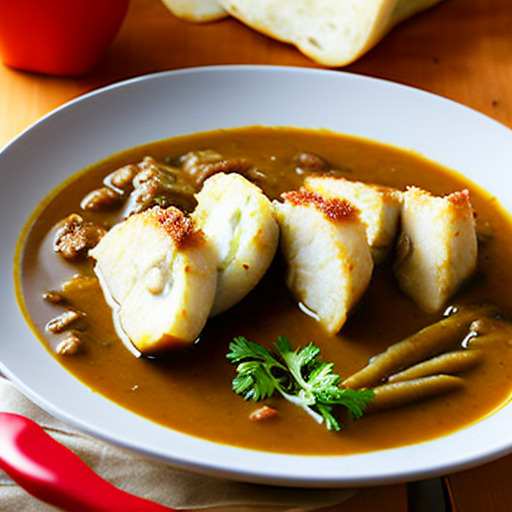
turkey gravy recipe
The Ultimate Turkey Gravy Recipe: Tips and Tricks for Perfecting the Thanksgiving Classic
Thanksgiving is not complete without a delicious gravy to pour over your turkey, mashed potatoes, and stuffing. However, mastering the art of making turkey gravy can be intimidating. It requires precise cooking techniques, selecting the right ingredients, and getting the right consistency. In this article, we will provide you with tips and tricks that will ensure you make perfect turkey gravy every time.
Choosing the Right Ingredients
Choosing the right ingredients is crucial in making the perfect turkey gravy. Here are some tips on selecting the right ingredients for your gravy:
- Turkey Parts: To make flavorful turkey stock for your gravy, it is best to use all parts of the turkey that have trimmings. These include necks, wings, giblets (liver, gizzard, heart), and bones. Avoid using fatty or heavily smoked parts as they may make your gravy greasy or too smoky.
- Fat: For a rich and flavorful gravy, use a combination of butter and pan drippings. Using only butter will result in a less flavorful gravy, while using too much pan drippings may make it too greasy.
- Veggies and Herbs: The vegetables and herbs you use when making turkey stock can have a significant impact on the flavor of your final product. Onions, carrots, celery, garlic, parsley stems, thyme sprigs are great options to use when preparing turkey stock.
Preparing the Turkey Gravy
Now that you have collected all the necessary ingredients let us get started with preparing the gravy.
Preparation before making Gravy
- Clean Your Utensils and Workspace: Before you start making gravy, ensure that all your cooking utensils, tools, and workspace are clean and sterile. This will prevent bacteria from contaminating your food.
- Defrost your Turkey: It is always best to defrost the turkey in the fridge a few days ahead of time, depending on the weight (one day of thawing time is required for every four pounds of turkey). However, if you forget to do this, immerse the turkey in cold water for a few hours.
Making Turkey Stock
Making turkey stock is a crucial step in achieving that perfect gravy. Here is a simple recipe for making turkey stock:
Ingredients:
- Turkey giblets (gizzard, heart, liver), neck, wings and bones
- 2 tablespoons olive oil
- 2 onions chopped into large pieces
- 3 carrots chopped into large pieces
- 3 celery stalks chopped into large pieces
- 1 bay leaf
- 1 tablespoon black peppercorns
Instructions:
- In a large pot or Dutch oven, heat the olive oil over medium-high heat. Add all turkey parts except the liver and cook until browned on both sides.
- Add 8 cups of water to the pot or Dutch oven.
- Add onions, carrots, celery, bay leaf and peppercorns to the pot or Dutch oven.
- Bring to a boil then lower the heat to low and let it simmer for about 3-4 hours until all flavors are fully infused.
- Sieve the liquid into another pot through a fine mesh strainer or cheesecloth. Discard the solids.
How to Make a Roux
A roux is a mixture of equal parts fat and flour that serves as a thickening agent in recipes. Here’s how to make a roux for your turkey gravy:
Ingredients:
- 1/4 cup unsalted butter
- 1/4 cup all-purpose flour
Instructions:
- In a saucepan, melt the butter over medium heat.
- Gradually add the flour to the melted butter and whisk continuously for 3 to 5 minutes until the mixture becomes slightly brown in color.
- Set aside until it cools, and then add it to your gravy as instructed below.
Cooking the Turkey and Preparing Pan Drippings
After you have defrosted your turkey, it is time to cook it.
Instructions:
- Rinse your turkey thoroughly with cold water, remove any giblets from the cavity of the bird and pat dry with a paper towel
- Add salt and any desired seasoning to both sides of the turkey.
- Tie legs together loosely using kitchen string then place it in an oven-safe pan or roasting pan, breast side up. Add some butter underneath the skin of the turkey.
- Cook according to instructions but while cooking baste every 30 minutes by carefully spooning up some of the juices/pans drippings (excess fat/oils may be discarded), this will help keep your meat moist and flavorful.
After cooking your turkey, strain off the excess fat from your homemade broth by using a gravy separator to get rid of excess oil. Pour out clear juices into another pot.
Creating Perfectly Thickened Gravy
The right thickness of your gravy is vital to its overall taste and texture. Here are a few tips:
- Different thickeners: There are different types of thickeners you can choose from when making gravy. Some of the most common ones include flour, cornstarch, and arrowroot powder.
- How much thickener to use: The amount of thickener you use depends on how thick you want your gravy to be. As a rule of thumb, 1 tablespoon of flour or 1 teaspoon of cornstarch per cup of liquid will thicken the sauce enough.
- Mixing thickener with broth, fat, or milk: Mix the thickener with some cold stock before adding it to the cooking pot. Slowly stir in the warm or hot stock and whisk continuously until it gently simmers and thickens up to your desired consistency.
Adding Flavors to Your Gravy
Flavor is an essential aspect of any good turkey gravy. Here are our suggestions on how to add flavor:
- Understanding complementary flavors: Depending on your preference, you can add different flavors and spices to make your gravy tasty like black pepper, garlic, thyme, rosemary or mace.
- Spices and herbs: Always use fresh spices and herbs when making turkey gravy as this will improve the flavor profile significantly.
- Adding alcohol: You can opt to add wine or sherry that matches the flavor throughout cooking process or just a splash towards the end to give it a unique taste.
Storing Your Turkey Gravy
Contaminated food is a sure way to get sick, so food safety should never be overlooked. Here are a few tips on storing your turkey gravy safely:
- Safe refrigerator storage: Gravy can be refrigerated to cool for up to 2 hours before storing inside the fridge and should not stay there more than 4 days.
- Long-term freezer storage: Most gravies can be stored in the freezer for up to 6 months, but it is advisable to check regularly and use them as soon as possible. Refreeze only if completely thawed and reheated properly.
Trouble-shooting Turkey Gravy Problems
Even with proper preparation, things may go wrong when preparing your turkey gravy. Here are commonly encountered problems when making gravy:
- Lumpy Gravy: Leaving out enough flour or not whisking continuously may result in lumpy gravy. To fix this, use a blender to blend ingredients together then strain gravy through a sieve to eliminate clumps.
- Runny Gravy: If your gravy won’t thicken enough, try adding more thickener a tablespoon at a time. Conversely, add more liquid if it’s too thick.
- Too-Salty Gravy: Add some flour mixed with water to even out the salty taste of your over seasoned turkey gravy.
Serving Suggestions for Turkey Gravy
After all the hard work has been completed successfully, it’s time to enjoy your delicious meal! Here are some ideas on what dishes pair well with turkey gravy:
- Mashed potatoes and turkey
- Cranberry sauce
- Dressing/Stuffing
- Sautéed vegetables such as green beans, especially if the leftover gravy is used to make a casserole dish
- Sandwiches made with leftover turkey and gravy
Expert Tips on Making Perfect Gravy Every Time
Here are some tips from seasoned chefs to ensure that you perfect your turkey gravy recipe:
- Adding Cheese: To add an extra layer of flavor to your gravy, stir in grated cheese such as Parmesan or Romano at the end of cooking.
- Use Cold Butter: Adding cold butter will help thicken the gravy and give it a velvety texture.
- Add Cream: If you want a richer and creamier sauce, stir cream into the finished gravy. Use heavy cream for a thicker and richer texture or half-and-half for lighter creaminess.
Conclusion
Making perfect turkey gravy requires patience, knowledge, and sourcing the right ingredients. Follow these tips and tricks, and you’ll have culinary friends lauding your Thanksgiving meal each year! Be confident in your abilities; you now know how to make the ultimate turkey gravy recipe, which everyone will love. Impress them this year by implementing what you’ve learned or keep it low-key if you prefer. Either way, we hope this guide has been helpful. Happy Thanksgiving!
Frequently Asked Questions About Turkey Gravy Recipe
1. What are the key ingredients for a turkey gravy recipe?
The key ingredients for a delicious turkey gravy recipe include turkey broth, flour, butter, onions, garlic, salt, and pepper. You can also add your favorite herbs like thyme or rosemary to enhance the flavor.
2. Can I use canned broth instead of homemade turkey broth?
Yes, you can use canned or boxed broth if you don’t have homemade turkey broth. However, homemade broth will always give you a richer flavor and a better taste than the canned one.
3. How do I prevent my gravy from being lumpy?
The key to making smooth gravy is to gradually add the flour into the fat while whisking continuously. Make sure that the flour is fully incorporated before adding more liquid to avoid lumps.
4. Should I use white or dark meat for turkey gravy?
Both white and dark meat can be used in turkey gravy recipe but using the dark meat will give you more flavorful and tasty gravy due to its higher fat content.
5. Can I make turkey gravy ahead of time?
Yes, you can make your turkey gravy up to 2 days in advance and store it in an airtight container in the fridge. Reheat it on low heat before serving and add some extra liquid if needed.
6. What is the best way to thicken my turkey gravy?
If your turkey gravy is too thin, add a mixture of two tablespoons of cornstarch or arrowroot with cold water and mix well. Slowly whisk it into the gravy and cook for a few more minutes until it thickens.
7. How much gravy should I make per person?
You should make at least 1/4 to 1/3 cup of gravy per person. However, if you have some gravy lovers in your family or serving people who love to smother their turkey and mashed potatoes with lots of gravy, it’s better to make a little extra just in case.
Remember, making delicious turkey gravy is not rocket science. With a little practice and following these guidelines, you can easily make perfect gravy every time!
- Tip: If you want to add some richness to your turkey gravy, add a splash of heavy cream or sour cream at the end.
- Tip: Use leftover roasted turkey bones, veggies, and herbs to make your own homemade turkey broth. It’s healthier and tastier than store-bought ones.