
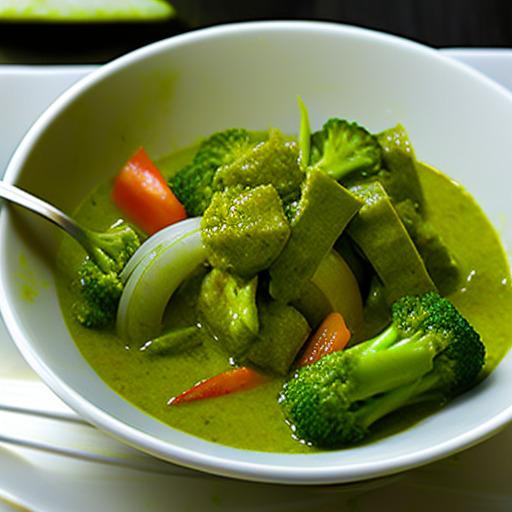
Discover the Art of Making Deliciously Spicy and Fragrant Thai Green Curry in Easy Steps
Thai green curry is a staple dish in Thai cuisine that has gained popularity worldwide due to its unique flavor. It is a spicy and aromatic dish that features a blend of herbs such as lemongrass, coriander and kaffir lime leaves, paired with meat or vegetables and coconut milk. If you enjoy hot and zesty dishes that burst with flavor, Thai green curry should be on your go-to list.
In this article, we’ll guide you through the process of making authentic Thai green curry at home - from preparing your own green curry paste to selecting the perfect meat and vegetables to accompany it. We’ll also introduce you to its health benefits, cultural significance, tips and tricks for achieving the best taste, serving suggestions, and more!
Ingredients & Equipment
Before diving into the preparation process, make sure you have all the necessary ingredients and equipment. Here’s a list of what you’ll need:
Ingredients:
- 2 tablespoons green peppercorns
- 1 tablespoon coriander seeds
- 10 fresh green chilies
- 1 stalk lemongrass
- 1 tablespoon garlic (minced)
- 1 tablespoon shallots (minced)
- 1 tablespoon galangal (finely sliced)
- 4 kaffir lime leaves (finely sliced)
- Salt (as per taste)
- 500 ml Coconut Milk
- Soy Sauce (as per taste)
- Cilantro Leaves (for garnish)
Equipment:
- A large pan
- A mortar and pestle or blender
- A sharp knife
- Cutting board
Making Green Curry Paste
The key to making delicious green curry is the paste. While it’s possible to get a pre-made green curry paste from an Asian grocer, nothing beats freshly ground homemade green curry paste. Here’s how to prepare it:
Step 1: Begin by roasting the coriander seeds and green peppercorns in a pan for a few minutes until aromatic.
Step 2: Remove the seeds and place them into a mortar and pestle with the green chilies, lemongrass, garlic, shallots, galangal, and kaffir lime.
Step 3: Grind all ingredients using a mortar and pestle till it forms a smooth paste. If you’re using a blender, add a little water as needed to blend everything together.
Tip: To achieve the right consistency of the paste, do not add too much water when grinding. The perfect texture should be smooth but with some small herb bits remaining separated.
Preparing Meat and Vegetables
Thai green curry pairs well with various meats such as beef, chicken, pork or seafood - cut into small pieces so that they cook evenly. Vegetables are also key components of this dish as they balance the flavor profile while providing additional nutrients - mushrooms, bamboo shoots, bell pepper, eggplant and zucchini are common options.
Tips:
- The meat should be cooked over high heat to seal in its juices before adding to the curry.
- Clean any vegetables carefully to avoid dirt or pesticide residue. You can peel some vegetables like eggplant before adding them in curry.
- Slice the vegetables and meat into small pieces or bite-size portions so they cook uniformly.
Cooking Process
Now that we have everything prepared, it’s time to whip up the Thai green curry with this detailed guide:
Making The Curry
1. In a large pan over medium-high heat, sauté one chopped onion and two minced garlic cloves until they become slightly fragrant.
2. Add 2-3 tablespoons of your made green curry paste into the same pan and stir constantly for 30 seconds until it becomes more fragrant.
3. Next, add in your choice of protein (chicken, beef, tofu) and stir-fry till almost cooked over high heat (5-7 minutes).
4. Pour in about 500 ml of coconut milk (depending on serving size), bringing it to boil with stirring for another 5-7 minutes until all ingredients are evenly blended.
Adding Vegetables
5. Add the sliced vegetables of your choice such as mushrooms, bamboo shoots, diced bell pepper, eggplant and zucchini.
6. Allow it to simmer till the veggies become tender, adding more coconut milk if necessary or until you get the desired consistency.
7. Season the curry with soy sauce or preferred flavorings like lime juice, fish sauce (for added saltiness) giving it a final stir for 2-3 minutes over low heat.
8. Garnish with cilantro leaves and that’s it - our authentic Thai green curry is ready!
Tips:
- If you prefer thicker curry add less water or more coconut milk. If you prefer thinner curry consistency add more water while cooking.
- For a stronger and spicier green curry add the remaining green chillies and turmeric power into the curry mixture before serving.
- If you’d like more sauce add additional coconut milk or water to the pan.
Serving Suggestions
Thai green curry is often served with jasmine rice and lime wedges with slices of cucumber on the side. However, you can experiment with different variations to create a unique flavor experience.
Serving recommendations:
- Pair Thai green curry with plain white rice or brown rice, and cucumber slices. The combination of cool and spicy will refresh your taste buds.
- Add some lime juice over jasmine rice or quinoa for an extra tanginess.
- Chop up some fresh cilantro leaves for garnishing or sprinkle some chili flakes or toasted coconut flakes over the top to make it look more appetizing and interesting.
Health Benefits
Apart from its flavorsome taste, Thai green curry has numerous health benefits making it a great dish for boosting immunity, restoring energy while aiding in digestion. Here are some health benefits you can expect from consuming Thai green curry:
1. Boosts Immunity: Thai green curry’s recipe contains a mix of ginger, garlic, lemongrass and other herbs which have been shown to act as natural immune-system boosters.
2. Provides energy: The presence of coconut milk in Thai green curry provides medium-chain fatty acids that convert quickly to energy.
3. Improves Digestion: Spices used in this dish contain compounds that aid digestion by neutralizing stomach acid production.
4. Nutrient-rich: Not only does this dish incorporate carbohydrates and proteins but also secondary metabolites like vitamin K folate thiamin that aid in various physiological reactions in the body.
Cultural Significance
Thai green curry holds significant cultural relevance as it is one of the most famous staple dishes in Thailand that has been prepared and eaten for centuries. It is also a popular dish and recognized all over the world, often enjoyed alongside other Thai cuisines.
The history of green curry can be traced back to the southern part of Thailand; over time, different regions have had variations in ingredients - such as spicy vegetables or meat curries - but nothing compares to the unique aroma and taste of the classic Thai green curry. It is definitely a go-to comfort food for many Thais and people who love Thai culture all around the globe.
Tips and Tricks
A little touch here and there can transform your basic Thai green curry into an exceptional dish. Here are a few tricks to make your green curry even better:
Variations:
- For extra fragrance add lemongrass paste.
- Add fish sauce or soy sauce with lime juice for saltiness.
- Include some basil leaves or Thai sweet basil for extra seasoning.
Extra Tips:
- Before cooking vegetables dry roast them separately to keep their flavors intact.
- If you’re using canned coconut milk for this recipe, give it a good shake before opening it as some clogging may occur.
Conclusion
Making authentic Thai green curry at home might seem intimidating at first, but it’s actually quite simple once you get down a few basics. To achieve an aromatic dish bursting with flavors just follow the step-by-step guide from selecting your ingredients and equipment to preparing meat and veggies through to making its unique paste. Adding health benefits, serving suggestions, cultural significance, tips and tricks will result in an optimal preparation every time. What are you waiting for? Try making Thai green curry from scratch today!
5 FAQs about Thai Green Curry Recipe
What is Thai green curry?
Thai green curry is a popular dish in Thailand made with a blend of herbs and spices, coconut milk, and meat or vegetables. The green color of the curry comes from fresh green chilies and other ingredients like lemongrass, coriander, and kaffir lime leaves.
How to make Thai green curry paste?
To make the Thai green curry paste, blend together fresh green chilies, lemongrass, garlic, shallots, coriander roots, cumin seeds, and kaffir lime leaves in a food processor. Add a little oil or water to get the desired consistency and texture of the paste. Store it in a jar for future use.
What are the main ingredients used in Thai green curry?
The main ingredients used in Thai green curry are coconut milk, Thai green curry paste, meat or vegetables (like chicken, shrimp or tofu), fish sauce, palm sugar, and basil leaves. You can add other vegetables like eggplants, bell peppers or bamboo shoots for extra nutrition and flavor.
Can I make Thai green curry vegan?
Yes! You can easily make Thai green curry vegan by substituting animal-based products with plant-based alternatives. You can use tofu instead of chicken or shrimp and vegetable broth instead of chicken broth. Vegan fish sauce made from seaweed is also available at some grocery stores.
How to serve Thai green curry?
Thai green curry is typically served over steamed jasmine rice or with noodles. Garnish it with fresh basil leaves and sliced red chili for added flavor and presentation. You can also serve it with a side of crispy fried chicken or fish and a cold beer or Thai iced tea.