gumbo recipe
Gumbo Recipe: A Step-by-Step Guide to the Perfect Pot of Cajun Comfort Food
If you’ve ever been to Louisiana or dined at a Southern-style restaurant, you’ve likely tried gumbo. This dish is a staple in Cajun and Creole cuisine, known for its rich flavors, hearty ingredients, and complex spices. Gumbo is more than just a meal - it’s a cultural icon that represents the diversity and history of the region. In this guide, we’ll show you how to make the perfect pot of gumbo step-by-step. From selecting ingredients to preparing your roux, there’s no better way to learn how to cook this beloved comfort food.
Introduction
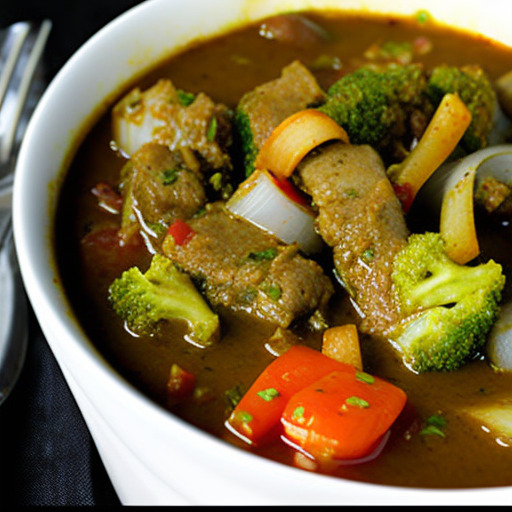
Gumbo is a melting pot of flavors, cultures, and influences. It’s a dish that has become synonymous with Southern hospitality and comfort food. At its core, gumbo is a stew that originated in Louisiana during the 18th century. It’s made with a roux (a mixture of flour and oil) that thickens the broth and gives it a nutty flavor. Gumbo usually includes proteins like chicken or seafood and the “holy trinity” of vegetables - celery, onions, and bell peppers. Other ingredients like okra or filé powder are sometimes added as well.
The history of gumbo is complex and varies depending on the source. Some historians believe that it was influenced by West African cuisine brought over by slaves, while others claim that it originated from Spanish or French dishes. Regardless of its origin story, gumbo has become an important part of Southern culture and can be found on dinner tables across the United States.
There are many reasons why people love gumbo. For some, it’s the comforting flavors that remind them of home-cooked meals with their families. For others, it’s the history and culture behind the dish that makes it special. No matter what draws you to gumbo, there’s no denying that it’s one of the most iconic dishes in American cuisine.
Ingredients
The key to making a delicious pot of gumbo is selecting the right ingredients. Traditional gumbos include proteins like chicken, andouille sausage, or seafood (shrimp, crab, or crawfish), and “holy trinity” vegetables like celery, onions, and bell peppers. The roux is also a critical component of the dish as it helps thicken the broth and adds flavor. Here are some tips on selecting your ingredients:
- Proteins: Choose high-quality proteins like free-range chicken and locally sourced andouille sausage or seafood. You can use bone-in or boneless chicken, skin-on or skinless chicken breasts based on your preference.
- Vegetables: Select fresh vegetables like firm green pepper for the “holy mirepoix,” celery rib with leaves attached for flavor, and onions with a strong aroma.
- Roux: Use all-purpose flour with high gluten content in a 1:1 ration together with clarified butter
- Spices: Seasonings like cayenne pepper, thyme, bay leaves all contribute to that delightful Cajun flavor
In terms of regional differences, there are variations in ingredients used in each region. For example in coastal regions such as New Orleans or Baton Rouge would have more availability to local seafood options versus certain inland regions where game bird meat would be more popular.
Preparing the Roux
The roux is one of the most important components of gumbo. It’s a mixture of flour and oil that’s cooked slowly until it turns a deep, nutty brown color. This process can be time-consuming, but it’s well worth the effort. Here are some tips to making the perfect roux:
- Use equal parts flour and oil
- Cook over low heat and stir constantly to avoid burning and scorching.
- Never leave the roux unattended—constant stirring is key
- If it starts smoking, discard it and start over—the burnt taste will ruin your gumbo.
- Once you achieve “cafe-au-lait” or light brown, carefully stir in vegetables before adding liquid to avoid splashes.
The consistency of roux depends on personal preference but Cajun style gumbo tends to opt for darker roux, usually around chocolate level or toastier while Creole-style uses lighter-colored rouxs.
Preparing the Proteins and Vegetables
When preparing proteins like chicken or seafood, there are different options and techniques that you can use to maximize flavor. For example, pan-searing chicken before adding it to your gumbo can help seal in juices and create a crispy texture on the outside.
The “holy trinity” vegetables are an essential part of gumbo. They’re typically cut into small pieces so that they cook down and blend seamlessly into the broth. Take care when cutting vegetables as better presentation through consistent width equals better performance when cooking with hot liquids like broth.
Combining the Ingredients and Cooking Gumbo
Gumbo can be cooked in any pot big enough for all your ingredients; however, cast iron pots are more common in Southern homes. One of the most crucial tips when cooking gumbo is properly timing your combination of the ingredients to prevent overcooking the main ingredient.
A good rule of thumb when cooking gumbo is to start by slowly adding the roux to your stock or water while whisking constantly. After adding all of your desired roux, you can begin sauté-ing the vegetable medley for aroma, then add proteins until cooked then letting it all simmer for an hour or two until flavors blend together and adjust salt and pepper according to taste.
The thickness of gumbo varies on individual preference to make it thinner, add stock or water. Simmering boiled chicken bones enriches flavor and brings the thickness consistency down too.
Serving and Storing Gumbo
Gumbo can be served plain, with rice, or bread as sides. Before serving make sure to fish out bay leaves and any bones left from chicken or seafood. Ideally, once cooked, remove the pot from heat and let it sit on counter top until cool enough before placing in storage unit- that way you avoid steam droplets affecting texture or creating bacteria growth during refrigeration.
Refrigerate left-overs in airtight containers to enjoy throughout the week without compromising quality. When reheating, do not overheat or bring to a boil as proteins will lose quality textures based on their delicacy level.
Regional Variations of Gumbo
The state of Louisiana boasts various regional versions of gumbo with subtle differences in ingredients or preparation methods based on cultural preferences and influences.
Cajun-style gumbo focuses on hearty meats like chicken, turkey, duck, beef and squirrel accompanied by smoked sausage while Creole-style uses crustaceans like crab or shrimp with emphasis on tomatoes, peppers, along with seafood stock as base. Gumbo greens or Z’Herbes - a New Orleans delicacy - is prepared entirely with green leaves instead of proteins.
Common Mistakes to Avoid
When preparing gumbo, there are several mistakes that you’ll want to avoid to ensure a perfect pot every time.
- Not cooking the roux long enough: A properly cooked roux deepens the flavor of your gumbo.
- Burning the roux: Overcooking your roux can scorch both its taste and most likely ruin your whole pot
- Overcooking protein: Adding fish or shrimp too early in process increases risk of overcooking and undesirable appearance or texture
- Rushing the process:You only get great results with time, rushed heat application will not yield best results.
Making Gumbo Vegan and Gluten-free
Gumbo doesn’t have to be meat-based or gluten-heavy; swapping meaty ingredients for plant-based ones transforms it into vegan comfort food while changing roux components on standard recipe tweaks gumbo into gluten-free dish.
Vegan substitutes include plant-based sausages, chickpeas, mushrooms paired with vegetable stock while substituting wheat flour for gluten-free product like potato starch or cassava flour keeps your gumbo celiac friendly.
Cultural Significance
Gumbo is more than just a meal - it’s an important part of Southern culture and history. The dish has become synonymous with African-American and Creole communities in Louisiana, especially New Orleans because it was frequently made by slaves from various spice regions hence flavors of the world come together in a comforting bowl.
Gumbo has been shared among families for generations, and its popularity has led to the dish being passed down from grandparents to children, becoming an integral part of family history. The gumbo is also associated with community building as it encourages people to come together over a good meal with their loved ones no matter their background and may have been used as a connector between communities during tough times.
Conclusion
Gumbo is a complex but comforting stew that has become a staple of Southern cuisine culture. From selecting ingredients to preparing your roux, there’s a lot that goes into making the perfect pot of gumbo. We hope this step-by-step guide helps you create your own version of this beloved comfort food that resonates with your cultural heritage or preferences. Whether you try Cajun-style or Creole-style gumbo, vegetarian or vegan options — adding flavors of Africa, France, Spain and the Americas - its guaranteed to satisfy soul and stomach alike.
Gumbo is more than just a dish – it’s a symbol of unity, community, and hospitality. It’s no wonder it’s become such an important component of Southern culture and cuisine. So next time you’re in Louisiana or craving a home-cooked meal that celebrates flavors of the world, reach for your soup pot and get ready to experience Gumbo at its Best!.
Frequently Asked Questions about Gumbo Recipe
What is a gumbo?
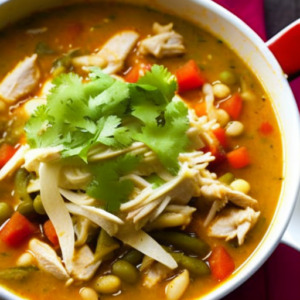
A gumbo is a stew or soup that originated in Louisiana, USA. It typically includes ingredients like meat or seafood, vegetables, and roux, and is served over rice.
What are the main ingredients for gumbo?
- Roux: The base of the recipe made from cooking fat and flour
- Meat or seafood: Chicken, sausage, shrimp, crab meat, or any combination of these are commonly used
- Vegetables: Common ingredients include onion, celery, bell pepper, tomatoes, and okra
- Spices: Creole seasoning, cayenne pepper, bay leaves, thyme, salt, and pepper are some common spices used in gumbo recipes
Is it possible to make gumbo without okra?
Yes! While okra is a staple ingredient in traditional gumbo recipes, it’s possible to substitute it with other vegetables such as green beans or zucchini. You can also leave it out altogether if you prefer.
Can I use store-bought roux instead of making my own?
Absolutely! While making your own roux is traditional and can add depth to your gumbo recipe, using store-bought roux is perfectly acceptable and can save time. Just be sure to follow the instructions on the package.
What type of rice should I serve with my gumbo?
A long-grain white rice such as basmati or jasmine works well with gumbo. Be sure to cook the rice according to the package instructions, and serve it on the side with the gumbo.
How long does gumbo last in the fridge?
Gumbo will typically last for up to four days in the refrigerator if stored in an airtight container. It can also be frozen for up to six months.
Can I adjust the spiciness of my gumbo?
Absolutely! If you prefer a milder gumbo, reduce or omit the cayenne pepper or other spicy seasonings. On the other hand, if you like your gumbo spicy, feel free to add more cayenne pepper or hot sauce to taste.