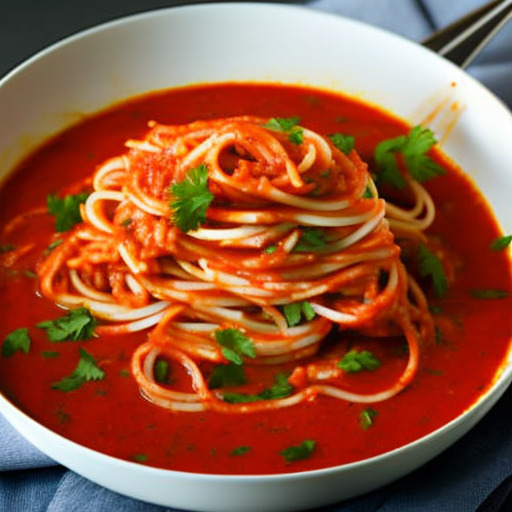
spaghetti sauce recipe
The Ultimate Guide to Making Delicious Spaghetti Sauce at Home
Introduction
Spaghetti sauce is a staple dish in Italian cuisine, loved by many people worldwide. It is a simple yet incredibly delicious sauce that can be enjoyed on its own or with a variety of pasta dishes. In this article, we will discuss how to make spaghetti sauce from scratch and provide tips on how to choose the best ingredients for optimal flavor.
Brief Overview of Spaghetti Sauce
Spaghetti sauce, also known as marinara sauce, is a tomato-based sauce commonly used with pasta dishes. It consists of tomatoes, aromatics (such as onions and garlic), herbs (such as basil and oregano), and often includes meat (such as ground beef or sausage).
Brief History of Spaghetti Sauce
The origins of spaghetti sauce date back to ancient times. The ancient Greeks and Romans used a variety of sauces made from herbs, vegetables, and various meats. However, the tomato-based sauce that we know today originated in the 18th century in Naples, Italy. Tomatoes were introduced to Europe from America during this period, and they quickly became popular in Italian cuisine.
Ingredients
Before jumping into how to prepare spaghetti sauce, it is crucial to gather all the necessary ingredients. Below are some essential ingredients for making classic spaghetti sauce:
- Canned or fresh tomatoes
- Garlic
- Onions
- Olive oil
- Herbs (basil, oregano)
- Salt and pepper
- Sugar (optional)
- Meat (optional)
Tomatoes
Tomatoes are the primary ingredient in spaghetti sauce, and there are different types to choose from. The best tomatoes to use are Roma or San Marzano tomatoes. They are the most commonly used for making sauce because they have higher flesh-to-juice ratio, making them perfect for creating a thick consistency.
Canned tomatoes are also an option when you cannot find fresh ones or if you’re trying to make the sauce in the offseason. If you do use canned tomatoes, be sure to choose whole peeled tomatoes, as those that are pre-crushed or pureed will result in a less textured sauce.
Herbs and Spices
Herbs and spices play an important role in spaghetti sauce’s flavor profile and can be customized to suit your taste preferences. Common herbs used include basil, oregano, parsley, thyme, and rosemary. You can use a mixture of dried or fresh herbs. However, using fresh herbs can add a more vibrant aroma when added at the end of the cooking process.
When it comes to spices, red pepper flakes can add a spicy kick to the sauce while garlic powder can add a subtle garlicky flavor.
Meat
Adding meat to spaghetti sauce is an optional ingredient that can enhance its richness. Popular meats include ground beef, sausage (sweet or spicy), and meatballs. Each type of meat will result in a different flavor profile.
If using ground beef or sausage as a meat option, it is advisable to cook the meat before adding it to the sauce separately. This allows you to control their texture and fat content.
Other Ingredients
Aromatics such as onions and garlic add depth of flavor to spaghetti sauce. Wine or broth can also be added for seasoning depth or deglazing purposes.
Sugar is not an essential ingredient; however, it helps balance out any acidity in the tomato sauce. Two tablespoons of sugar per 28 oz. can of crushed tomatoes is an ideal serving size to maintain balance without overpowering the natural sweetness.
Preparing the Sauce
Now that you have gathered all the necessary ingredients let’s dive into preparing spaghetti sauce with this step-by-step process:
- Heat olive oil over medium heat and add onions, cooking until softened but not browned.
- Add garlic and cook for 30 seconds or until fragrant.
- Add your finely chopped tomatoes and salt.
- Braise for about 5-7 minutes or until the juices start to thicken, then increase the heat to high and stir vigorously until most of the liquid evaporates.
- Lower the heat, add your desired herbs, and any additional seasoning such as sugar followed by optional meat (ground beef, sausage) if necessary.
- Cook uncovered for an additional hour or cook for two hours if using a slow-cooker to allow flavors to meld together.
- If you’re adding meatballs or sausages, brown them in a separate pan before adding them to the sauce halfway through its cooking time.
Cooking Techniques
Sauteing vs. Roasting Tomatoes
Both techniques can create delicious flavors; however, roasting offers a bolder flavoring depth.
For roasting, slice tomatoes in half, drizzle with olive oil and seasonings before roasting at 400 degrees Fahrenheit for about 45 minutes. Once roasted through adjust seasoning before adding it to up your spaghetti sauce game.
Simmering the Sauce
Simmering refers to cooking your sauce under low heat for an extended period until the flavors meld thoroughly. By simmering, you get a concentrated sauce that is thick and deeply flavored.
Timing when to add certain ingredients
It’s important not to overwhelm your dish with too many flavors in one go. The milk and other components should be added after the acidic tomato flavor has done most of its work on the other flavors.
Faster Preparation Method
If you’re short pressed for time or don’t have specific ingredients, opt for a more straightforward, fast method for quick enjoyment of the flavors in sauce making. Here is an easy option:
- Heat olive oil in a saucepan over medium heat.
- Add garlic, onion, dried oregano, and red pepper flakes then sauté for 2 to 3 minutes until fragrant and translucent
- If adding meat, cook it separately then add it to the pan with vegetables.
- Pour in canned crushed tomatoes into the pan.
- Increase heat to high and bring the mixture to a simmer.
- Lower heat and let it balance for about 20 minutes or until fully cooked through mixing continuously throughout.
Serving and Pairing with Spaghetti
Spaghetti sauce can be served with several types of pasta dishes such as spaghetti, penne or fettuccine. It goes well with grated cheese such as parmesan cheese on top of your preferred recipes. You can also pair raw halves of cherry tomatoes and mini mozzarella balls with basil as a garnish on top of your finished dish.
Conclusion
Spaghetti sauce is a versatile ingredient that can uplift any pasta dish. Carefully selecting high-quality ingredients like fresh tomatoes, herbs, spices, onions, and garlic can make all the difference in creating delicious spaghetti sauce from scratch. With these tips and a step-by-step process on how to make spaghetti sauce, whether using the traditional or faster preparation methods, you are now equipped to develop scrumptiously rich spaghetti sauce. Enjoy your culinary masterpiece!
Frequently Asked Questions About Spaghetti Sauce Recipe
1. What ingredients do I need for a spaghetti sauce recipe?
A traditional spaghetti sauce recipe usually requires the following ingredients:
- Canned or fresh tomatoes
- Olive oil
- Minced garlic
- Chopped onion
- Salt and pepper
- Basil, oregano, and thyme (optional)
- Red pepper flakes (optional)
2. Can I replace canned tomatoes with fresh ones?
Yes, you can replace canned tomatoes with fresh ones if they are in season. However, keep in mind that fresh tomatoes might require longer cooking time to break down and release their juices.
3. Can I freeze leftover spaghetti sauce?
Absolutely! Spaghetti sauce freezes well and can be stored for up to three months in the freezer. Just make sure to let it cool completely before portioning it out into freezer-safe containers.
4. How long do I need to cook the spaghetti sauce?
The cooking time depends on how thick and chunky you want your sauce to be. Generally, a spaghetti sauce simmers for 30-45 minutes to develop its flavors and thicken up.
5. How do I make my spaghetti sauce less acidic?
If your spaghetti sauce is too acidic, you can try the following tricks:
- Add a pinch of sugar to balance the acidity.
- Add a grated carrot or zucchini to neutralize some of the acid.
- Add a splash of cream or butter to mellow out the tomatoes’ tanginess.
6. Can I add meat to my spaghetti sauce?
Yes, adding meat is a great way to make your spaghetti sauce more flavorful and hearty. You can use ground beef, pork, or Italian sausage for a classic meat sauce, or try diced chicken or shrimp for a lighter version.
7. What else can I use spaghetti sauce for?
Spaghetti sauce is versatile and can be used in many dishes, such as:
- Pizza toppings
- Dipping sauce for garlic bread or mozzarella sticks
- Baked ziti or lasagna filling
- Veggie stir-fry sauce
- Crockpot meatball stew