
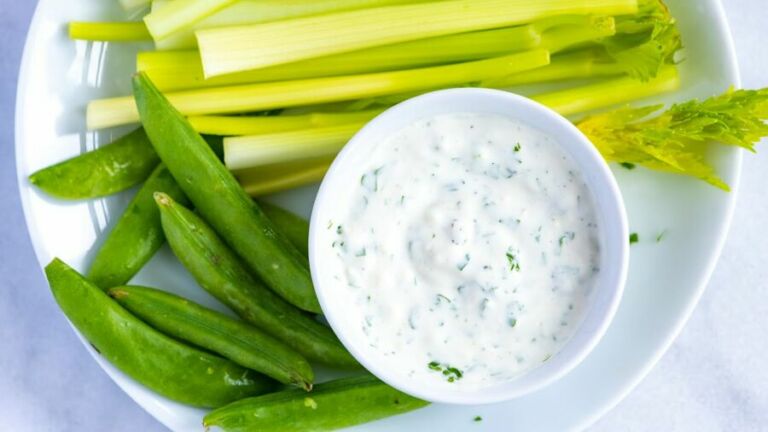
The Ultimate Guide to Making Homemade Blue Cheese Dressing
Making homemade blue cheese dressing is a delicious way to enhance almost any dish, from salads to wings to burgers. Not only does it taste better than store-bought dressings, but making it at home gives you control over the ingredients, allowing you to create a healthier and more flavorful dressing.
This guide will walk you through everything you need to know about making blue cheese dressing at home, including its history, nutritional content, equipment needed, step-by-step recipes, pairings, different variations, troubleshooting techniques, and much more. Let’s dive in!
Understanding Blue Cheese Dressing
Before we get into the nitty-gritty of making homemade blue cheese dressing, let’s take a look at what it is and where it came from.
Blue cheese dressing originated in America in the 1920s or 1930s and became popular with the rise of salad bars in the 1950s. The dressing consists of a base made up of mayonnaise and sour cream or buttermilk mixed with chunks of pungent blue cheese. It offers a savory and tangy flavor with a creamy texture that complements many different dishes.
Blue cheese is considered one of the most nutritionally dense cheeses. It is high in protein, calcium, vitamin B12, and vitamin K2. However, due to its high fat content, it should be consumed in moderation.
Types of Blue Cheese Used in the Dressing
Not all blue cheeses are created equal when it comes to making blue cheese dressing. Some cheeses are too mild or crumbly for the job while others can overpower the other ingredients.
The most commonly used blue cheeses for this type of dressing are Roquefort (from France), Gorgonzola (from Italy), and Stilton (from England). Roquefort is tangy and salty while Gorgonzola is milder with a nutty flavor. Stilton has a sharp flavor and crumbly texture that works well in the dressing.
Ingredients and Equipment
Before we start mixing ingredients, let’s take a look at what you’ll need to make homemade blue cheese dressing.
Essential Ingredients for Making Blue Cheese Dressing
- 1 cup crumbled blue cheese
- ½ cup buttermilk
- 1 cup mayonnaise
- 1 cup sour cream
- 1 tablespoon lemon juice
- 2 garlic cloves, finely minced
- Salt and pepper to taste
Congratulations! Those are all the ingredients you need.
Recommended Equipment for Making the Dressing
Making blue cheese dressing doesn’t require any fancy equipment. All you need are:
- A medium-sized mixing bowl
- A whisk or fork for mixing the ingredients together
- A sharp knife or cheese grater to crumble the blue cheese.
Step-by-Step Guide to Making Homemade Blue Cheese Dressing
Now that we know what we need, let’s get started!
Preparation Tips Before Making the Dressing
It’s always best to prepare all ingredients in advance before you start mixing. Here are some tips to ensure everything is ready:
- Crumble your blue cheese before proceeding with any other steps.
- Mince your garlic finely to prevent it from overpowering the other ingredients.
- Make sure your buttermilk and sour cream are at room temperature to prevent the dressing from curdling.
Step-by-Step Instructions on Making the Dressing
Step 1: Preparing the Cheese
Using a sharp knife or cheese grater, crumble your blue cheese into small chunks. Make sure they are relatively uniform in size.
Step 2: Mixing the Ingredients
In a bowl, whisk together the blue cheese, mayonnaise, sour cream, lemon juice, and minced garlic until well combined. Season with salt and pepper to taste.
Alternative Options to Dairy Ingredients
If you prefer dairy-free options, substitute mayonnaise and sour cream with vegan alternatives like vegan mayonnaise, cashew cream, or coconut yogurt.
Step 3: Adjusting Consistency
If you prefer a thinner consistency for your dressing, add more buttermilk or lemon juice one tablespoon at a time until you reach your desired consistency.
Storing and Serving
Transfer the dressing to an airtight container and refrigerate it for at least an hour or even overnight before serving it on your favorite dish.
Variations of Blue Cheese Dressing
Blue cheese dressing has come a long way since its original recipe was created. Here are some variations you can experiment with:
Traditional vs Modern Dressings
Traditional dressings adhere to the classic recipe that involves mayonnaise, sour cream, buttermilk, blue cheese, garlic, salt and black pepper. On the other hand, modern dressings introduce new ingredients to make it more diverse. Some popular additions include blueberries or strawberries for sweetness; jalapeño, buffalo sauce or Tabasco for heat; champagne vinegar or apple cider vinegar for tanginess.
Vegan and Vegetarian Options for Blue Cheese Dressings
If you’re on a vegan or vegetarian diet, blue cheese dressing may not be an option. However, there are vegan recipes available that can satisfy your cravings. The base consists of plant-based alternatives like cashew cream, tofu, silken tofu along with non-dairy milk, mustard powder, garlic, lemon juice & white vinegar.
Pairings with Blue Cheese Dressing
Blue cheese dressing is perfect over green salads but also pairs well when used as a dip. Here are some pairings to try:
- Crisp salad greens
- Burgers and sandwiches
- Veggies like celery and carrots
- Wings or cauliflower wings
- Pizza drizzle
- Roasted potatoes or grilled meats
Different types of sauces complement the blue cheese flavor too. Usually buffalo sauce, barbecue sauce, garlic aioli, ranch sauce fares better with blue cheese dressing.
Tips for Customizing your Blue Cheese Dressing
Want to add some extra flair? Here are some ideas that will take your homemade blue cheese dressing to the next level:
- Add fresh herbs like dill or parsley to the mix for added flavor or aroma.
- Incorporate other toppings like bacon bits or almond slivers in addition to black pepper and walnuts for a crunch factor.
- Create a signature recipe by experimenting with different ingredients until you get the perfect result.
Troubleshooting Common Issues with Making Homemade Blue Cheese Dressing
Here are some common problems you may encounter and how to troubleshoot them:
Separation issues
If your dressing separates after refrigeration, don’t worry. Simply put it back in the mixing bowl and whisk it again until it is well combined. Make sure all of your ingredients are at room temperature before mixing.
How to salvage a batch that’s too thin or too thick
If the dressing turns out too thin, add more sour cream or mayonnaise, or reduce the buttermilk ratio.
If the dressing turns out too thick, then stir in more buttermilk until you get the desired consistency.
Advantages of Making Your Own Blue Cheese Dressing from Scratch
Making your blue cheese dressing comes with numerous benefits, including:
- Taste: Homemade blue cheese tastes better than store-bought dressings because it’s more flavorful and has higher quality ingredients.
- Health Advantages: Homemade dressings do not include artificial preservatives, colors and flavors that are harmful to health. It is also possible to adjust the sugar, fat and salt content according to individual dietary requirements.
- Ingredient Control: Making homemade dressing gives you control over what goes into it, making it possible for you to set aside components that cause allergies or intolerances like gluten and lactose.
Frequently Asked Questions (FAQs) About Making Blue Cheese Dressing
How long does homemade blue cheese dressing last?
Homemade blue cheese dressing will last in the fridge for up to ten days if stored properly in an airtight container.
Can I use Greek Yoghurt instead of sour cream in the recipe?
Yes! Greek Yogurt is a great alternative to sour cream. It works similarly in terms of adding flavour and creaminess and is much healthier.
Can I freeze homemade blue cheese dressing?
Yes! You can freeze your homemade blue cheese dressing, but the consistency will change due to the freezing process. After defrosting it, it may be necessary to whisk it up again.
Conclusion
Making homemade blue cheese dressing from scratch enhances the flavor of any meal by providing a unique taste that can’t be replicated in store-bought dressing. This guide provides all the tips and information needed to make your own dressing at home, as well as suggestions for modifications and pairings. So, grab your ingredients and equipment and get started on creating a signature recipe that will have people talking about your blue cheese dressing for years to come. Bon Appetit!
FAQs About Blue Cheese Dressing Recipe
What are the ingredients for blue cheese dressing?
The classic recipe for blue cheese dressing includes crumbled blue cheese, mayonnaise, sour cream, buttermilk, garlic powder, and black pepper. You can also add vinegar, lemon juice, or Dijon mustard to brighten up the flavor and adjust the consistency with more or less buttermilk.
How do you make blue cheese dressing from scratch?
To make blue cheese dressing from scratch, start by whisking together the mayonnaise and sour cream in a bowl until smooth. Then add crumbled blue cheese, garlic powder, black pepper, and a splash of buttermilk. Continue whisking until everything is well combined and the texture is creamy and chunky. Taste and adjust seasonings as needed.
Can I use Greek yogurt instead of sour cream in blue cheese dressing?
Yes, you can use Greek yogurt instead of sour cream in your blue cheese dressing recipe if you want to cut down on calories or add some tanginess to the flavor. Just use the same amount of Greek yogurt as sour cream and adjust the amount of buttermilk accordingly to keep the consistency creamy.
How long does homemade blue cheese dressing last?
Homemade blue cheese dressing can last up to a week in the fridge if stored in an airtight container. If you notice any signs of spoilage such as mold or funky smell, discard it immediately. It’s always better to make a fresh batch than risk foodborne illness.
What foods pair well with blue cheese dressing?
Blue cheese dressing is a versatile condiment that goes well with various foods such as salads, wings, burgers, sandwiches, veggies, and even fruits. Some popular combinations include buffalo chicken salad, wedge salad, grilled steak with blue cheese sauce, and apple slices with blue cheese dip. Get creative and experiment with different flavors and textures to find your favorite pairings.