
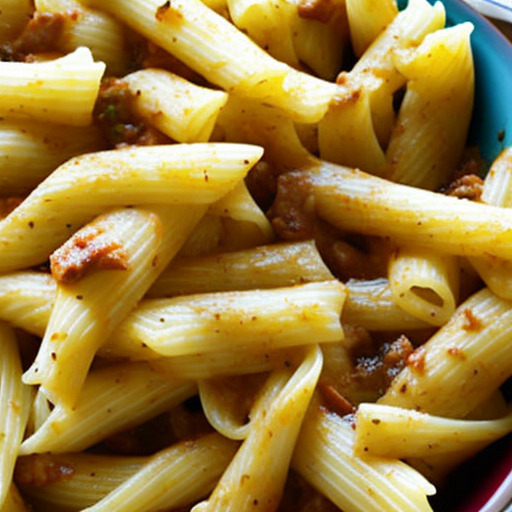
Homemade Pasta Recipe: A Step-by-Step Guide
Nothing beats the taste and texture of homemade pasta. While it may seem intimidating to make from scratch, the effort is definitely worth it. Plus, with just a few basic ingredients and some simple tools, you can easily create your own delicious pasta at home. In this article, we’ll guide you through each step of the process, from making the dough to serving up a perfect plate of pasta.
Introduction
Why homemade pasta is worth the effort:
Sure, it’s readily available and affordable in stores, but homemade pasta has a unique flavor and texture that will have everyone at your table asking for seconds. When you make your own pasta, you have control over the quality of the ingredients used, ensuring that only the freshest and healthiest go into your dish. Plus, it’s fun—making homemade pasta is a great activity to do with family or friends.
Ingredients needed for homemade pasta:
Making your own pasta at home requires only a few basic ingredients:
• Flour: Typically All-purpose flour or Italian “00” flour is recommended
• Eggs
• Water (or other liquids)
• Salt (if desired)
Necessary tools and equipment:
You don’t need fancy or specialized equipment to make fresh pasta at home. However, having these tools can make the process easier:
• Large mixing bowl
• Fork or whisk
• Work surface
• Rolling pin or Pasta rolling machine
• Kitchen scale (optional)
• Knife or Pasta cutting attachment(optional)
Making the Pasta Dough
Mixing ingredients in the right proportion:
The foundation of homemade pasta is fresh dough made in the right proportion. Here’s how you can make fresh pasta dough by mixing ingredients in proportion:
• To start, measure out 2 cups of flour (All-purpose or Italian “00” flour). For every cup of flour, you will need approximately 1 large egg. In this recipe, we are using 2 cups of flour and 2 large eggs.
• In a large mixing bowl, combine the flour and eggs.
• Mix thoroughly using a fork or whisk until the dough comes together.
• Now add 1 tsp of water (or milk) at a time if needed until the dough is moist and not too dry. Typically it will be less than 2 tbsp.
• If desired add salt(1/4tsp)to the mixture and mix well.
Kneading and resting the dough:
The next step is kneading the dough to a uniform consistency. Here’s how to do it properly:
The Kneading process:
• On a clean, dry work surface, transfer the pasta dough from the mixing bowl.
• Knead the dough by pressing it down with your hands, fold it over towards you from both sides, then push it away using the base of your palms or hand heel. Repeat this motion for about 8-10 minutes or so until the dough becomes smooth.
• If the dough feels too sticky or wet at any point during kneading, sprinkle some flour over it as required.
How long to rest the dough?
After kneading it properly now leave to rest for about an hour so that gluten develops properly. Cover with cling wrap and let it sit at room temperature.
What to look for in properly rested dough:
You should be able to notice by touch that rested dough has become soft and elastic with lesser resistance when stretched.
Shaping and Cutting Pasta
Choosing the Right Shape:
There are various types of pasta shapes available out there but choosing the right one for your dish depends on its sauce type:
Popular Pasta Shapes and their Names:
Some common shapes include Linguine, Fettuccine(made from classic noodle dough), Spaghetti, Tagliatelle (made from an egg and flour-based pasta dough), Fusilli, Penne, etc.
Pairing the right sauce with each shape of pasta:
• Flat Ribbon Pastas like fettuccine or linguine go well with creamy sauces like alfredo or carbonara.
• Long Pasta shapes such as spaghetti work well in tomato-based sauces, such as Bolognese.
• Short pasta shapes like fusilli, rotini, or penne all add great texture to a classic meaty sauce.
• Pesto also goes well with pasta like spaghetti.
Rolling out and Cutting Pasta:
Hand-Cranked Machine vs. a Pasta Roller Attachment for Mixer:
If you plan to make your pasta frequently, investing in a Pasta Roller attachment is a good idea. A simple hand-cranked machine can also be purchased if you are working on a budget.
Tips on Rolling out Pasta by Hand:
• Divide the rested pasta dough into two equal halves.
• Use a rolling pin to roll it out into long sheets of about 1/8 inch thickness place your hands below it for support while stretching it maintaining even thickness throughout.
• Slightly flour the surface under and above this sheet so that it doesn’t get sticked when tried to pick with hand or cut later.
• Repeat this process for both halves
How to Cut Pasta into Different Shapes:
Now if you have pasta roller machine then select the desired shape and use that accordingly. If not then let’s see how you can easily cut them without any specialized tool:
Some simple methods for cutting the pasta are:
• Using sharp knives Cut the rolled-out dough into noodles or strips of varying thickness depending on the desired length. For example, thicker cut pappardelle and thinner cut fettuccine.
• Use different molds available in your kitchen such as Drinking Straws to cut the small size pasta or wire brush if you want to make the ridged pasta.
Cooking Your Homemade Pasta
Preparing your cooking pot:
Salt and Water: Why They Matter?
For perfectly cooked pasta, water and salt are two major ingredients vital to keep in mind. Always use 4-6 quarts of water per pound of pasta in order to have enough room for the noodles to move while they are boiling. Add about a tablespoon of salt to the water so that it is seasoned since pasta doesn’t taste good without it.
Which pot to choose?
Using a larger pot is recommended as it will be easier to boil the pasta in ample hot water and prevent them from sticking together. Also, non-stick coated pots can also be used in case you do not have a stainless pan.
Boiling your fresh pasta:
How Long to Cook Fresh Pasta?
Cooking time varies based on various factors such as shape, thickness, and even brand. It’s always best to check the package for recommendations. In general, fresh pasta will take around 2-4 minutes to cook perfectly.
How to Avoid Overcooking Your Fresh Pasta:
The key here is to keep an eye on your pasta while cooking with sampling. Right when it becomes soft yet with still a bit of firmness cook for about another 30 seconds before draining in colander.
Serving Your Homemade Pasta
Pairing Sauces with Your Pasta:
There are several types of sauces that one can serve with their homemade pasta such as :
Light, Creamy Sauces: Alfredo, Carbonara
Tomato-Based Sauces: Bolognese, Arrabiata
Meaty Sauces: Ragu or Goulash
Pesto
Adding Herbs, Cheese, or Vegetables:
Enhance flavor by adding herbs like sage or oregano or by grating some Parmesan cheese over the top. Vegetables like bell peppers, mushrooms, or broccoli can be added to add more flavor and texture to dishes.
How to choose which toppings best complement your dish:
• Balance the flavors: If you’re using a rich or creamy sauce, add fresh herbs or a squeeze of lemon juice, which will help balance out the richness.
• Playing with textures: Adding a crispy topping such as breadcrumbs or toasted nuts will add additional texture to your dish.
Examples of Popular Toppings:
Parmesan cheese, garlic, tomato chunks and basil leaves
Tips and Techniques For Success with Homemade Pasta
1. Common mistakes beginners make when making homemade pasta:
Making the pasta dough too dry or wet, not kneading it enough or too much during the process to develop gluten , Overworking the dough while rolling which leads to tougher noodles.
2 . Substitutes for eggs or flour:
Vegans can use Egg replacer powder alternatively and Gluten-Free flour (Buckwheat, Almond flour) for those who are allergic to gluten may also be used.
3. Sourcing ingredients:
For best results use Organic semolina Flour, free-range eggs and filtered water.
4. Freezing homemade pasta
If you have excess pasta after making them you can freeze them so that they don’t get wasted. Take your pasta in an air-tight container and keep them in the freezer.
5.Tips for using leftovers:
Have some leftover pasta? Don’t fear! Reuse it creatively by stir-frying it with vegetables into a delicious stir fry.
Conclusion
Homemade pasta is something that needs practice but once you perfect it there is nothing like it. The ingredients are simple so investing in a few basic tools can go a long way towards creating something truly special for your loved ones. So give this recipe a try and discover the joys of homemade pasta.
Frequently Asked Questions
1. Can I make homemade pasta without a pasta machine?
Yes, you can! While a pasta machine makes the process quicker and more consistent, it isn’t necessary. You can use a rolling pin and knife to roll out and cut your pasta by hand.
- Use a rolling pin to flatten the dough into thin sheets
- Use a sharp knife or pizza cutter to cut the sheets into your desired shapes
2. What is the best flour for making homemade pasta?
The best flour for making homemade pasta is durum wheat flour, also known as semolina flour. This high-protein, low-gluten flour gives your pasta the perfect texture and flavor. If you don’t have durum wheat flour on hand, you can use all-purpose flour instead.
3. How long should I let my homemade pasta dry before cooking?
The drying time for homemade pasta can vary depending on the humidity in your area. Generally, you should let your pasta dry for at least 30 minutes before cooking it. You’ll know it’s ready when it feels firm and doesn’t stick together.
4. Can I freeze homemade pasta?
Yes, you can! Homemade pasta freezes well and is great for meal prep or making ahead of time. To freeze your pasta:
- Cut your pasta into desired shapes
- Lay the pieces flat on a baking sheet lined with parchment paper
- Place the baking sheet in the freezer until the pasta is completely frozen
- Transfer the frozen pasta pieces to an airtight container or freezer bag, and store in the freezer for up to 3 months
5. How do I cook homemade pasta?
Cooking times for homemade pasta may vary depending on the shape and thickness of your noodles. In general:
- Bring a large pot of salted water to a rolling boil
- Add your pasta to the pot, stirring gently to prevent it from sticking together
- Boil the pasta until it is al dente (cooked but still firm), usually about 2-4 minutes
- Drain the pasta and serve with your favorite sauce or toppings